
Salmon is often hailed as a superfood, particularly because of its rich omega-3 fatty acid content. Omega-3s play a crucial role in maintaining heart health, reducing inflammation, and supporting brain function. However, many people struggle to incorporate salmon into their diets in a way that maximizes these benefits. Cooking methods can significantly affect the retention of omega-3s, leading to a common dilemma: how to prepare salmon without losing its nutritional value.
Baking salmon emerges as a simple yet effective solution to this problem. This cooking method not only enhances the flavor but also helps retain the essential omega-3 fatty acids. The gentle heat of the oven ensures that the fish cooks evenly, preventing the loss of nutrients that can occur with higher temperature cooking methods. This guide will delve into the nuances of baking salmon, offering practical tips, common pitfalls to avoid, and the science behind why this method is so beneficial.
Incorporating baked salmon into a regular meal plan can be a transformative step toward better health. The process is straightforward, making it accessible for both seasoned chefs and kitchen novices. By understanding how to bake salmon correctly, individuals can enjoy a delicious meal while reaping the myriad health benefits associated with omega-3 fatty acids.
This guide will provide a comprehensive overview of how to bake salmon effectively, ensuring that each bite delivers maximum nutritional value. From the selection of ingredients to the correct baking techniques, every aspect will be covered in detail.
Contents
How to Use Baking for Real Results
- Best Form: Fresh or frozen salmon fillets
- Best Time: Dinner, ideally 2-3 times a week
- Expected Result: Improved omega-3 retention and enhanced flavor
For Daily Protection
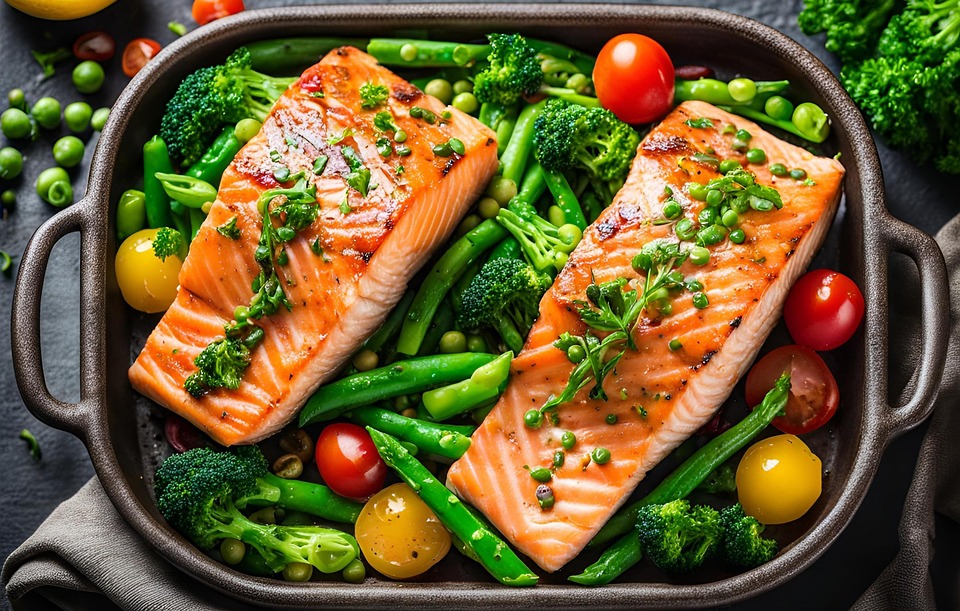
The Prep: Start with fresh salmon fillets, preferably wild-caught for optimal omega-3 levels. Gather olive oil, lemon, garlic, salt, and pepper. Preheat the oven to 375°F (190°C). Line a baking dish with parchment paper for easy cleanup.
The Action: Place the salmon fillets skin-side down in the baking dish. Drizzle with olive oil, then sprinkle minced garlic, salt, and pepper evenly across the top. Squeeze fresh lemon juice over the fillets. Bake in the preheated oven for 15-20 minutes, depending on thickness. The salmon should flake easily with a fork when done.
The Feeling: As the salmon cooks, a tantalizing aroma fills the kitchen. The skin crisps up slightly, while the flesh remains moist and tender. The first bite reveals a burst of flavor, with a delightful balance of garlic and lemon.
Pro Tip: Let the salmon rest for a few minutes after baking to enhance the flavors.
The Family Gathering
The Prep: For a larger gathering, consider using a whole salmon fillet. Gather fresh herbs like dill or parsley, along with lemon slices, olive oil, salt, and pepper. Preheat the oven to 375°F (190°C) and prepare a baking sheet lined with parchment paper.
The Action: Place the whole fillet on the prepared baking sheet. Rub olive oil over the surface, then season generously with salt and pepper. Lay lemon slices and fresh herbs on top. Bake for 25-30 minutes, checking for doneness. The fish should be opaque and easily flake apart with a fork.
The Feeling: The aroma of herbs and citrus wafts through the air, creating an inviting atmosphere. The exterior becomes slightly crispy, while the interior remains succulent. Each forkful delivers a perfect blend of flavors, making it a hit among family members.
Pro Tip: Serve with a side of roasted vegetables for a balanced meal.
The Quick Weeknight Meal
The Prep: For a speedy dinner option, use salmon patties. Combine canned salmon, breadcrumbs, egg, chopped onion, and seasonings. Preheat the oven to 400°F (200°C) and prepare a baking sheet.
The Action: Mix the ingredients in a bowl until well combined. Form small patties and place them on the baking sheet. Bake for 12-15 minutes, flipping halfway through. The patties should be golden brown and firm to the touch.
The Feeling: The crispy exterior contrasts beautifully with the tender interior. Each bite offers a satisfying crunch, followed by a rich salmon flavor. This dish can be ready in under 30 minutes, making it perfect for busy nights.
Pro Tip: Pair with a simple salad for added nutrients.
Avoiding Common Missteps
Using Low Quality Ingredients
Utilizing low-quality salmon can significantly affect the dish’s overall nutritional value. Farmed salmon often contains fewer omega-3s compared to wild-caught varieties. Additionally, the presence of additives and preservatives can compromise health benefits.
Choosing high-quality salmon is essential. Wild-caught salmon is generally richer in omega-3 fatty acids and has a cleaner taste. Always check for freshness indicators like firm flesh and a pleasant smell to ensure the best quality.
Overcooking the Salmon
Overcooking salmon is a common mistake that can lead to dryness and loss of flavor. The delicate nature of salmon requires careful attention to cooking times.
To avoid this, use a meat thermometer to check for doneness. The internal temperature should reach 145°F (63°C). Remove it from the oven as soon as it flakes easily with a fork. This ensures a moist and flavorful outcome.
Neglecting Seasoning
Another frequent error is under-seasoning the salmon. While salmon has a naturally rich flavor, it can benefit from additional seasoning to enhance its taste.
Experiment with various herbs, spices, and marinades. Lemon, garlic, dill, and even a touch of honey can elevate the flavor profile. Don’t shy away from seasoning generously to achieve a well-rounded dish.
Understanding the Science Behind Omega-3 Retention
The biological mechanism involved in omega-3 retention during baking is primarily related to temperature control. When salmon is exposed to high heat for extended periods, omega-3 fatty acids can degrade. Baking at moderate temperatures helps preserve these essential fats, ensuring they remain intact.
The key compound in salmon responsible for its health benefits is EPA and DHA, two forms of omega-3 fatty acids. These compounds have been shown to support heart health, reduce inflammation, and enhance cognitive function. Baking salmon helps retain these beneficial compounds, making it a smart cooking choice.
Clinical studies have demonstrated the health benefits of omega-3 fatty acids. One such study highlights the positive effects of omega-3 intake on cardiovascular health and brain function. For more in-depth research, visit PubMed for omega-3 research.
Choosing the Right Salmon
- Potency: Look for brands that specify the omega-3 content. Higher potency ensures greater health benefits.
- Purity: Always choose salmon that is free from contaminants like heavy metals and pollutants. This helps maintain its health benefits.
- Form: Fresh or frozen salmon is ideal for retaining nutrients. Avoid pre-packaged options that may contain additives.
Weighing the Benefits and Risks
| The Benefits | Potential Downsides |
|---|---|
| Rich in omega-3 fatty acids | Possible contamination from pollutants |
| Supports heart and brain health | Can be expensive depending on quality |
| Versatile and easy to prepare | Potential for overcooking if not monitored |
Enhancing Your Lifestyle
Incorporating regular exercise into your routine can amplify the benefits of omega-3-rich foods. Aim for at least 150 minutes of moderate aerobic activity each week to support overall health.
Mindfulness practices, such as meditation or yoga, can complement your diet by reducing stress. Lower stress levels can improve overall well-being and enhance the absorption of nutrients.
Who Should Avoid This?
– Individuals with a seafood allergy
– Those on blood-thinning medications
– Pregnant women should consult their doctor before increasing omega-3 intake
– People with specific metabolic disorders
Common Questions
How often should I eat salmon?
Aim for two to three servings of salmon per week to enjoy its health benefits without overconsumption of potential contaminants.
Can I use frozen salmon?
Yes, frozen salmon retains its nutritional value well. Ensure it is properly thawed before cooking for even baking.
What side dishes pair well with baked salmon?
Roasted vegetables, quinoa, or a fresh salad are excellent accompaniments to baked salmon.
Is there a difference between wild-caught and farmed salmon?
Yes, wild-caught salmon generally contains higher levels of omega-3 fatty acids and fewer contaminants compared to farmed salmon.
The Final Takeaway
Baking salmon is an effective way to maximize omega-3 retention while enjoying a delicious meal.
- The Truth: Cooking methods significantly impact the nutritional value of salmon.
- The Strategy: Bake salmon at moderate temperatures for optimal retention of omega-3s.
- The Next Step: Incorporate baked salmon into your weekly meal plan for better health.
Get Your FREE Natural Health Guide!
Subscribe now and receive our exclusive ebook packed with natural health tips, practical wellness advice, and easy lifestyle changes, delivered straight to your inbox.