
The aging process affects various organs, and the lungs are no exception. As we age, lung function can decline, leading to reduced respiratory efficiency and increased susceptibility to respiratory diseases. This deterioration can be attributed to a variety of factors including environmental pollutants, lifestyle choices, and natural biological aging. Understanding how to mitigate these effects is crucial for maintaining lung health as we age.
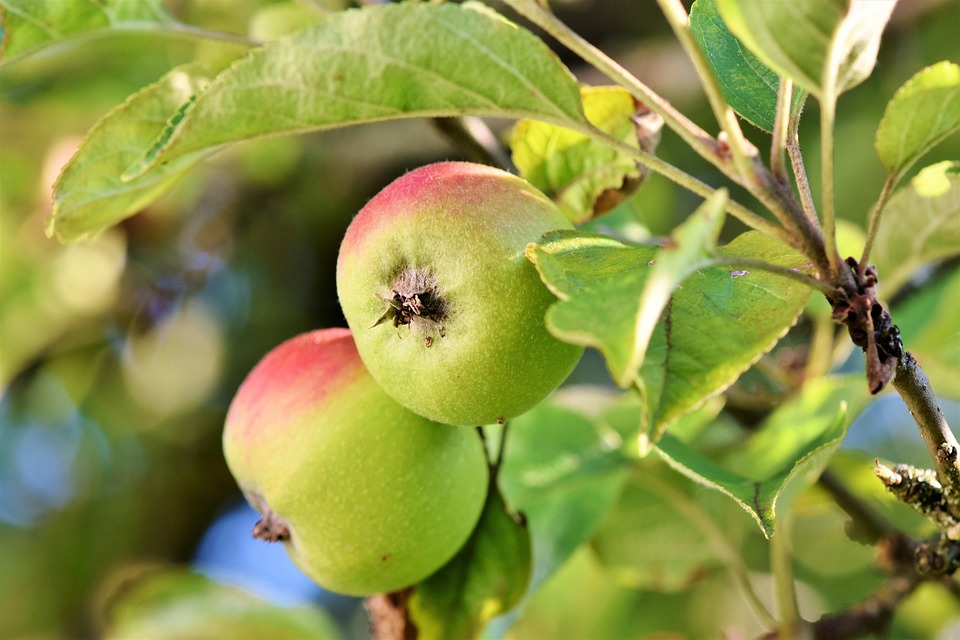
Diet plays a pivotal role in lung health, and certain foods can offer protective benefits. Among these, apples stand out due to their unique nutritional profile. Apples are rich in antioxidants, vitamins, and dietary fiber, which contribute to various health benefits. Regular consumption of apples has been linked to improved lung function and a lower risk of respiratory conditions. This makes them an essential inclusion in a lung-friendly diet.
The natural compounds found in apples, such as flavonoids and vitamin C, can help combat oxidative stress and inflammation in the lungs. Addressing these issues is vital since oxidative stress is a significant factor in lung aging. Therefore, incorporating apples into your daily routine can serve as a simple yet powerful defense strategy against the decline of lung function.
This guide will delve into the mechanisms through which apples support lung health, practical applications for including them in your diet, and the science behind their benefits. By the end, you will have a comprehensive understanding of how to leverage this humble fruit to promote better lung health as you age.
Contents
How to Use Apples for Real Results
- Best Form: Fresh apples or apple juice.
- Best Time: Morning or as a snack.
- Expected Result: Enhanced lung function and reduced inflammation.
For Daily Protection
The Prep: Start with fresh, organic apples. Choose a variety that you enjoy, such as Fuji or Granny Smith. Wash them thoroughly and slice them into wedges. Optionally, sprinkle a bit of cinnamon for added flavor and antioxidant benefits.
The Action: Consume two medium-sized apples each day, either whole or sliced. If you prefer, blend them into a smoothie with spinach and a tablespoon of flaxseeds. This combination not only enhances the flavor but also boosts the nutritional content.
The Feeling: Expect a refreshing crunch with each bite. The natural sweetness will satisfy your cravings while providing a burst of energy. You may notice improved respiratory comfort throughout the day as your body benefits from the nutrients.
Pro Tip: For added lung benefits, pair your apples with foods rich in vitamin C, such as citrus fruits.
Enhancing Your Smoothies
The Prep: Gather your ingredients. You will need one apple, a cup of spinach, half a banana, and a cup of almond milk. Choose organic options whenever possible to maximize nutrient intake.
The Action: Core and chop the apple, then combine it with spinach, banana, and almond milk in a blender. Blend until smooth, ensuring a creamy texture. This smoothie can serve as a nutritious breakfast or post-workout recovery drink.
The Feeling: The blend creates a smooth and creamy drink that is both refreshing and satisfying. You will likely feel more energized and alert after consuming this nutrient-packed smoothie, benefiting both your lungs and overall wellness.
Pro Tip: Add a spoonful of chia seeds for extra fiber and omega-3 fatty acids.
As a Satisfying Snack
The Prep: Slice an apple into wedges and prepare a small bowl of almond butter or Greek yogurt for dipping. Choose a nut butter that is free from added sugars for the healthiest option.
The Action: Dip each apple wedge into the almond butter or yogurt, enjoying the combination of flavors. This snack is perfect for mid-afternoon energy boosts and supports lung health through its nutrient density.
The Feeling: The crunchy texture of the apple paired with the creamy dip creates a delightful mouthfeel. You may feel a sense of fullness and satisfaction, helping to curb unhealthy cravings.
Pro Tip: Experiment with different dips like hummus or cottage cheese for variety.
Common Errors to Avoid
Neglecting Whole Fruits
Many people opt for apple juice instead of whole apples, thinking they are making a healthier choice. This mistake can lead to missing out on the fiber and essential nutrients found in the skin and flesh of the fruit. Whole apples contain more vitamins and antioxidants, which are crucial for lung health.
To solve this, commit to eating whole apples regularly. This ensures you receive the full spectrum of benefits. Incorporating them into your meals as snacks or in salads can help you achieve this goal.
Ignoring Organic Options
Purchasing conventionally grown apples can expose you to pesticide residues. These chemicals can negatively impact overall health and lung function. Choosing organic apples reduces the risk of exposure to harmful substances.
Opt for organic apples whenever possible. Look for local farmers’ markets or certified organic stores to find fresh, pesticide-free options. This small change can significantly enhance the health benefits you gain from this fruit.
Overlooking Preparation Methods
Some people may think that all forms of apple consumption are equally beneficial. However, cooking apples can lead to nutrient loss, especially in vitamin C. Eating them raw is preferable for maximum health benefits.
Focus on incorporating raw apples into your diet. Use them in salads, smoothies, or as snacks. This will ensure you’re getting the most nutrients possible while supporting lung health.
The Science Behind Lung Health
The biological mechanisms underlying lung aging involve oxidative stress and inflammation. As we age, the accumulation of free radicals can damage lung tissues, leading to reduced function. Antioxidants found in apples combat this oxidative stress by neutralizing free radicals, protecting lung cells.
Quercetin is a key compound found in apples. This flavonoid has been shown to reduce inflammation in the respiratory system. By inhibiting inflammatory pathways, quercetin helps maintain lung function and reduces the risk of respiratory diseases.
Clinical evidence supports these claims. A study published in the American Journal of Respiratory and Critical Care Medicine found that higher apple consumption is associated with better lung function. Further details can be found in this PubMed search.
Choosing the Right Product
– **Potency:** Ensure that the apples you choose are fresh and ripe. Freshness directly impacts the concentration of nutrients and antioxidants.
-
Purity: Look for organic apples to avoid pesticide residues. This ensures that you consume only the beneficial compounds without harmful chemicals.
-
Form: While whole apples are the best option, consider unsweetened applesauce or dried apples as alternatives. These forms can still provide health benefits if fresh apples are not available.
Benefits vs Risks
| The Benefits | Potential Downsides |
|---|---|
| Rich in antioxidants that protect lung function. | Excessive consumption may lead to digestive issues due to high fiber content. |
| Supports overall respiratory health. | Conventional apples may contain pesticides if not organic. |
| Low in calories, making them a healthy snack. | Some individuals may have allergies to certain apple varieties. |
Habits for Enhanced Lung Health
Regular exercise is essential for maintaining lung capacity. Activities such as walking, swimming, or yoga improve respiratory function and overall health. Aim for at least 150 minutes of moderate aerobic activity each week.
Breathing exercises can also enhance lung function. Techniques such as diaphragmatic breathing can improve oxygen intake and lung efficiency. Incorporating these exercises into your daily routine can further support lung health.
Who Should Avoid This?
– Individuals with specific fruit allergies.
– People with gastrointestinal disorders such as irritable bowel syndrome.
– Those on medications that interact with high-fiber foods.
– Individuals with diabetes should monitor their fruit intake due to sugar content.
Common Questions
Can apples help with asthma?
Yes, the antioxidants in apples may help reduce inflammation in the lungs, potentially providing relief for asthma sufferers.
How many apples should I eat daily?
Eating one to two apples daily can provide significant health benefits without risking excessive fiber intake.
Are cooked apples still beneficial?
While raw apples offer more nutrients, cooked apples can still provide health benefits, especially when added to dishes like oatmeal.
Can I consume apple juice instead?
While apple juice contains some nutrients, it lacks the fiber found in whole apples. Eating whole apples is recommended for maximum benefits.
The Bottom Line
Incorporating apples into your diet can be a simple yet effective strategy for promoting lung health as you age.
- The Truth: While apples offer many benefits, they are not a cure-all for lung conditions.
- The Strategy: Aim to consume apples daily, ideally in their whole form.
- The Next Step: Consider adding other lung-supportive foods like leafy greens to your diet.
Get Your FREE Natural Health Guide!
Subscribe now and receive our exclusive ebook packed with natural health tips, practical wellness advice, and easy lifestyle changes, delivered straight to your inbox.