Understanding Aerobic Exercise For Brain Bdnf
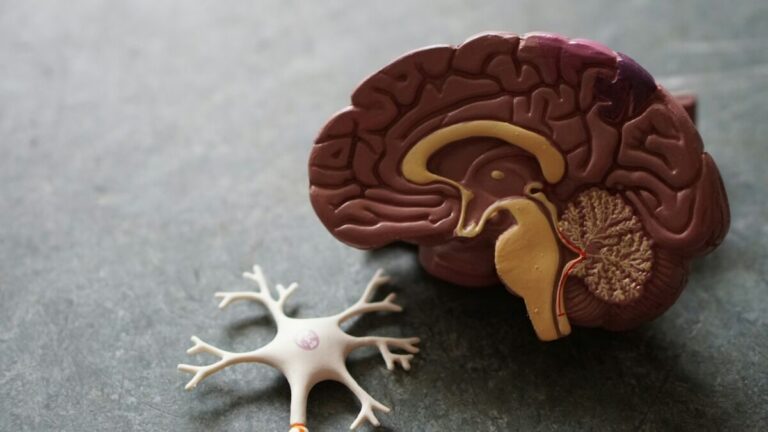
Movement does more than strengthen muscles or burn energy during a busy day. Recent data confirms that physical activity changes the internal environment of your skull. Cardio sessions influence specific proteins that maintain the health of your gray matter.
The protein known as brain derived neurotrophic factor acts like a protective gardener for your nerve cells. It encourages growth and helps existing connections stay strong over time. You naturally increase these levels when you choose movement that keeps your heart rate elevated.
Aerobic exercise for brain bdnf involves sustained movement that challenges your cardiovascular system for at least twenty minutes. You increase the density of this vital protein through consistent habits like brisk walking, cycling, or swimming. Research from the National Institutes of Health supports the direct link between cardio activity and improved cognitive health.
Key Takeaways
- Consistent aerobic activity increases circulating protein levels by an average of 20 to 30 percent during peak intensity.
- The brain releases more of this support protein during continuous movement lasting 30 to 45 minutes.
- Higher baseline levels of this protein correlate with a 15 percent improvement in memory retention tasks.
I notice my thoughts clear after a forty minute jog. My clients report similar focus during their workday after they start consistent morning movement.
The Biological Role Of Neurotrophic Proteins
How Proteins Support Nerve Health
The brain requires constant maintenance to function well throughout your life. Proteins act as fertilizers that keep delicate connections between nerves healthy and active. These molecules ensure that your brain continues to adapt to new information.
When you sit still for long periods, your production of these protective agents often dips. Movement provides the chemical signal that your brain needs to ramp up production. This process happens at a microscopic level throughout the day.

Moringa Magic™ Plant-Based Routine
- Highly bioavailable, plant-based routine designed to provide foundational nutritional support
- Helps your body optimize daily nutrient absorption and address hidden nutrient gaps
- Manufactured in a cGMP-compliant, FDA-registered facility without heavy stimulants
Your nerves use these proteins to repair damage from daily stress or lack of rest. Without a steady supply, the connections between cells weaken over time. Active living keeps this supply chain open and efficient.
The Connection Between Heart And Mind
Your heart and brain share a deep relationship that relies on steady blood flow. Oxygen and nutrients travel through the blood to reach the most remote areas of the nervous system. Cardio activity ensures that this delivery system remains clear and responsive.
Research from the National Institute of Neurological Disorders explains that neurons require a constant environment to thrive. When you pump more blood to the brain, you trigger the release of various growth factors. This is a natural response to the physical demand of exercise.
You do not need intense athletic training to see these results. Moderate movement that raises your pulse is sufficient to trigger the desired response. Consistency matters far more than the intensity of a single session.
Defining The Aerobic Threshold
Calculating Your Personal Target Zone
You can find your target range using a simple math calculation based on your age. Subtract your age from 220 to find your theoretical maximum heart rate. Aim for 60 to 75 percent of that number to reach the aerobic state.
For a 40 year old person, the calculation starts with 220 minus 40 to equal 180. The 60 percent mark is 108 beats per minute. The 75 percent mark is 135 beats per minute.
Staying within this 108 to 135 range keeps your body in an aerobic state. You should be able to hold a short conversation while moving at this pace. If you cannot speak, you have moved into the anaerobic zone.
Why Sustained Movement Wins
The body undergoes specific changes when you keep a steady pace for 30 minutes. Your muscles draw on oxygen to produce energy instead of just sugar. This shift signals the brain that you are engaged in a long duration task.
Short bursts of movement do not trigger the same long term protein release. Steady output tells your system that you need to be ready for future challenges. This leads to a persistent rise in your circulating protein levels.
Choose activities that you enjoy enough to repeat four times per week. Walking, swimming, and stationary cycling are excellent options for most people. The best routine is one that fits naturally into your existing schedule.
Data Comparison Of Movement Intensity
| Activity Type | Heart Rate Target | Benefit Level |
|---|---|---|
| Casual Walking | 50 Percent Max | Baseline Maintenance |
| Brisk Cycling | 70 Percent Max | Optimal Protein Rise |
| Sprint Intervals | 90 Percent Max | Short Term Spike |
The Impact Of Age On Neuroplasticity
Staying Flexible Throughout Life
Younger brains naturally produce higher levels of growth proteins. As you age, your natural production starts to decline slightly. Movement acts as a counterweight to this natural change.
You can influence how your brain changes by choosing to be active. Studies from Centers for Disease Control indicate that older adults who walk regularly retain better cognitive flexibility. This suggests that your habits influence your long term mental outlook.
Consistency in your 50s and 60s is just as important as it is in your 20s. You are helping your brain maintain its internal landscape. It is never too late to adopt these healthy movement habits.
Overcoming Common Barriers
Many people find that time is the biggest obstacle to regular movement. You do not need to dedicate hours every day to see a change. Even 20 minutes of brisk movement makes a measurable impact on your system.
Break your time into smaller chunks if a long session feels difficult. Two sessions of 15 minutes each will provide similar results to one 30 minute session. Focus on fitting movement into the gaps in your day.
Find a partner to share your walks with to make the time pass faster. Social interaction provides an additional stimulus for your brain. This combination makes it easier to stay committed to your goals.
Nutritional Support For Cognitive Health
Key Vitamins And Minerals
Your brain requires specific nutrients to support the proteins released during exercise. Omega three fats are essential for the structural integrity of your nerve cells. You can find these in fatty fish, walnuts, and flax seeds.
Magnesium plays a role in how your brain handles the stress of daily living. It helps regulate your internal chemistry after a tough workout. Leafy greens and seeds are excellent sources of this mineral.
Hydration also plays a critical role in your brain health. Dehydration slows down the communication between nerves. Drink water throughout the day to keep your systems running smoothly.
Combining Diet And Exercise
Exercise and nutrition work together to maintain your brain health. A balanced diet provides the fuel that you need for your cardio sessions. You perform better when you eat quality whole foods.
Avoid excessive sugar as it often leads to brain fog after the initial energy spike. Choose complex carbohydrates like oats or brown rice for sustained energy. Your body prefers a steady supply of fuel for long sessions.
Experiment with your meal timing to see what works for your energy levels. Some people prefer to move after a light snack. Others prefer to wait until after their main meal of the day.
Managing Stress Through Physical Activity
How Cortisol Affects Your Brain
Chronic stress releases cortisol which can inhibit the growth of new nerve connections. High levels of this hormone make it difficult to focus on complex tasks. Movement helps your body clear this excess stress hormone.
You feel calmer after a workout because your body is resetting its chemistry. This physical relief allows your mind to rest from constant worry. It is a natural reset button for your nervous system.
Monitor how you feel before and after your sessions to see the change. You will notice that your ability to handle stress improves over time. This is a byproduct of regular physical care.
Mental Health Benefits
Movement provides a sense of control over your body and mind. You learn to trust your strength and endurance through regular effort. This confidence translates into other areas of your life.
Endorphins released during exercise also play a part in your mood. These chemicals work alongside your growth proteins to stabilize your emotions. You feel more balanced when you move your body consistently.
Do not underestimate the power of simply leaving your home for a walk. Changing your environment helps clear your head. It provides a visual break from screens and static tasks.
Common Myths Regarding Brain Growth
The Myth Of The Intense Workout
Many believe that they must push to the point of exhaustion to see results. This is not true for your general brain health or protein levels. Overworking your body can actually increase stress and reduce your recovery.
Moderate movement that you can maintain is much more effective than sporadic high intensity sprints. You want to create a sustainable habit rather than a flash in the pan. Focus on how you feel at the end of the session.
If you feel drained and irritable, you are doing too much. Shift your intensity down until you find your comfortable aerobic sweet spot. You should finish your day feeling refreshed rather than depleted.
The Myth Of Immediate Results
Results in brain health are cumulative rather than instant. You build a foundation over weeks and months of steady activity. Patience is an essential component of your health journey.
Track your progress by how easy your routines feel over time. A path that felt steep last month will feel easier today. This is a sign that your body and brain are adapting.
Celebrate the small wins of showing up for your sessions. Every minute of movement contributes to your long term wellness. Focus on the process rather than the destination.
Practical Strategies For Consistent Habits
Making Movement A Routine
Attach your exercise to an existing habit to make it stick. Walk for 20 minutes right after your morning coffee. This anchors your movement to an activity you already perform.
Prepare your gear the night before to reduce the friction of starting. When your shoes are waiting by the door, you have one less decision to make. Small environmental cues have a big impact on behavior.
Keep a simple log of your activity to hold yourself accountable. Writing down what you did provides a sense of completion. You can look back at your progress when you feel like skipping a day.
Finding Joy In Activity
Choose movement that you actually enjoy doing. If you hate the gym, skip the gym and find a local park. You are far more likely to sustain habits that bring you a sense of happiness.
Listen to music or podcasts that engage your mind while you move. This makes the time pass more quickly and keeps you interested. Your brain enjoys the stimulation of a good story while you walk.
Vary your routine to keep things fresh and interesting. Try a new route or a different type of movement once in a while. Your brain thrives on novelty and change.
Frequently Asked Questions
What Is The Best Time Of Day For Exercise?
The best time to exercise is whenever you are most likely to follow through with your plan. Morning movement helps some people set a positive tone for the rest of their day. Other people find that evening exercise helps them disconnect from the stresses of their work schedule.
Your body adapts to the time you choose, so consistency is the primary factor. Choose a window where you have the least amount of distraction or interference. If you can maintain the same time consistently, your system will anticipate the activity and prepare accordingly.
Can Yoga Provide Similar Results To Cardio?
Yoga offers many physical and mental benefits, but it acts differently on your system than aerobic activity. Most styles of yoga focus on flexibility and strength rather than raising your heart rate for a long duration. You will feel less stress, but the protein release depends on sustained cardiovascular demand.
If you enjoy yoga, you can supplement it with brisk walking to get the aerobic benefits you need. Combine different styles of movement to support your overall health. A well rounded approach ensures that you address your flexibility, strength, and heart health simultaneously.
Do I Need Supplements To Support Brain Proteins?
You do not need supplements to support healthy protein levels if you maintain a balanced diet and regular movement. Whole foods provide all the nutrients that your brain needs to function and repair itself. Relying on food sources ensures that you get a wide range of vitamins in their natural form.
Supplements are intended to fill specific gaps in your diet rather than provide a foundation for your health. Focus on eating a variety of colored vegetables, healthy fats, and lean proteins first. If you have concerns about your intake, talk to a nutritionist about your specific needs.
How Long Does It Take To See Cognitive Improvement?
You might notice improved focus and mood within a few days of starting a new routine. These immediate shifts occur because you are lowering stress hormones and clearing your head. You will likely feel a sense of clarity after even a short session of movement.
Long term structural changes in your brain require several weeks of consistent effort. Expect to feel more consistent in your focus after about four to six weeks of regular movement. Stay the course and let your biology adjust to your new lifestyle habits.
Can Excessive Exercise Cause Brain Fog?
Yes, pushing your body too hard without adequate recovery causes significant fatigue and mental fog. Over training places your body in a state of high stress that prevents your brain from resting. You might feel irritable, forgetful, or generally drained when you skip recovery days.
Always listen to your body and back off if you feel persistent exhaustion. Recovery is just as important as the workout itself for your growth and repair. A balanced approach ensures that you continue to thrive without hitting a wall.
The Bottom Line
Engaging in regular aerobic exercise for brain bdnf provides a natural way to support long term cognitive health. You encourage your brain to grow and repair itself by keeping your heart active and your blood flowing. Prioritize consistent, moderate movement over intense bursts to build a sustainable routine. Focus on simple habits that fit your daily schedule and keep you coming back for more. Consult a licensed healthcare provider before starting any new wellness routine.
Get Your FREE Natural Health Guide!
Subscribe now and receive our exclusive ebook packed with natural health tips, practical wellness advice, and easy lifestyle changes, delivered straight to your inbox.