Unlocking Natural Vigor: The Role of Metabolism Tea in Daily Wellness
The body’s intricate network of processes, collectively known as metabolism, converts food into energy. This fundamental function dictates how well we feel, our capacity for activity, and our overall vitality.
Many traditional cultures have long turned to specific herbal infusions and true teas as part of their daily routine. These beverages offer more than just hydration; they contain a spectrum of natural compounds that can gently support the body’s energetic pathways.
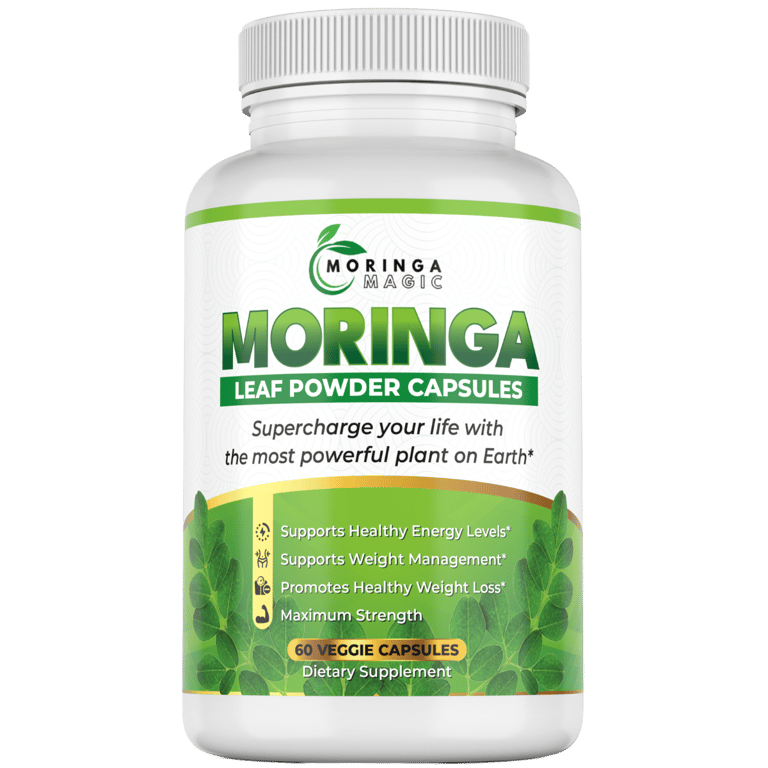
Moringa Magic™ Plant-Based Routine
- Highly bioavailable, plant-based routine designed to provide foundational nutritional support
- Helps your body optimize daily nutrient absorption and address hidden nutrient gaps
- Manufactured in a cGMP-compliant, FDA-registered facility without heavy stimulants
Integrating a well chosen metabolism tea into your lifestyle can be a simple, pleasant way to foster a sense of sustained energy. We’ll explore seven distinct teas, each bringing its own unique profile to the table, helping you understand their potential contributions to your well being.
Green Tea: The Well Studied Elixir
Green tea originates primarily from China and Japan, where its cultivation and consumption trace back thousands of years. Unlike black tea, green tea leaves are minimally oxidized after harvesting, a process that preserves many of its delicate compounds.
This careful processing allows green tea to retain a high concentration of beneficial polyphenols, particularly catechins like epigallocatechin gallate (EGCG). EGCG is a primary compound discussed in relation to green tea’s wellness properties.
Beyond catechins, green tea also contains L-theanine, an amino acid, and natural caffeine. The combination of these compounds provides a distinctive energetic sensation often described as calm and focused, different from the more abrupt feeling sometimes associated with coffee.
Research from the National Center for Complementary and Integrative Health highlights these compounds, noting their extensive study for various health considerations. People often find green tea a comforting component of their general wellness approach.
- Active Compounds: Epigallocatechin gallate (EGCG), L-theanine, Caffeine
- Best Used For: Supporting daily vitality, promoting a sense of alertness, complementing an active lifestyle
- General Influence: May assist in the body’s natural energetic processes and feelings of clarity
Preparation Guidelines
Steep green tea leaves in water that is hot but not boiling, typically around 175°F to 185°F, for two to three minutes to extract its nuanced flavors and beneficial components without bitterness.
Oolong Tea: The Balanced Brew
Oolong tea stands in a unique position within the tea family, falling between green and black tea in terms of oxidation. This partial oxidation process, carefully controlled by tea masters, gives oolong its distinctive flavor profile and complex aromatic qualities.
The degree of oxidation can vary widely, from lightly oxidized oolongs resembling green tea to more heavily oxidized varieties approaching black tea. This spectrum creates a rich diversity of oolong types, each offering subtle differences in taste and compound concentration.
Oolong tea contains a diverse array of polyphenols, similar to green tea, but also unique polymerized polyphenols formed during its specific oxidation. These compounds, alongside natural caffeine, contribute to its potential as a supportive beverage for overall well being.
Many people appreciate oolong tea for its smooth taste and the balanced energy it can provide. Its nuanced character makes it a favorite for those seeking a sophisticated tea experience with a gentle lift.
- Active Compounds: Oolong Tea Polyphenols, Caffeine, Theaflavins (in higher oxidized variants)
- Best Used For: Daily enjoyment, fostering sustained energy feelings, supporting a balanced energetic state
- General Influence: May contribute to feelings of sustained energy and comfort after meals
Brewing Approach
Brew oolong tea with water around 190°F for three to five minutes, adjusting steep time to personal preference for strength and flavor intensity.
Black Tea: The Robust Classic
Black tea is the most widely consumed type of tea globally, known for its rich flavor and deep amber color. Its distinct characteristics come from a full oxidation process, where tea leaves are withered, rolled, and then exposed to air.
This complete oxidation transforms the catechins present in green tea into complex compounds like theaflavins and thearubigins. These unique compounds are responsible for black tea’s characteristic taste, color, and certain aspects of its wellness profile.
Black tea typically contains more caffeine than green tea, providing a more pronounced energetic effect for many individuals. It’s a popular choice for morning consumption, offering a comforting and invigorating start to the day.
Beyond its energetic qualities, black tea is valued for its rich flavor, which can range from malty to fruity depending on its origin and processing. It remains a staple for those seeking a robust and reliably uplifting beverage.
- Active Compounds: Theaflavins, Thearubigins, Caffeine
- Best Used For: Invigorating morning routine, promoting sustained energy, complementing active daytime hours
- General Influence: Can help foster feelings of alertness and warmth, often enjoyed with meals
Enjoyment Recommendations
Black tea is best brewed with boiling water, around 200°F to 212°F, for three to five minutes. It can be enjoyed plain or with additions like milk or lemon, according to personal taste.
Pu-erh Tea: The Fermented Treasure
Pu-erh tea, a distinctive type of fermented tea, hails from the Yunnan province of China. Its unique production involves microbial fermentation, which can occur either naturally over time (raw pu-erh) or through accelerated processes (ripe pu-erh).
This fermentation process gives Pu-erh tea its earthy aroma, deep color, and often mellow flavor. The microbial action also modifies the tea’s chemical composition, producing different compounds compared to unfermented teas.
Pu-erh tea is known for its complex profile of polyphenols and other compounds that develop during fermentation. It’s often associated with promoting feelings of satiety and comfort, particularly after heavy meals, making it a popular digestive aid in Chinese culture.
The aging potential of raw pu-erh tea is also a significant draw, with some cakes improving in flavor and complexity over decades. This makes it a fascinating tea for connoisseurs and those interested in unique fermentation processes.
- Active Compounds: Theabrownins, Gallic Acid, Lovastatin (natural trace amounts)
- Best Used For: Supporting comfort after eating, contributing to feelings of digestive wellness, enhancing a daily ritual
- General Influence: May assist in the body’s natural digestive rhythm and contribute to feelings of sustained energy
Infusion Methods
Use boiling water for Pu-erh tea, steeping for 20 seconds to several minutes, depending on the desired strength. Pu-erh is often prepared in multiple short infusions, revealing new layers of flavor with each pour.
Ginger Tea: The Warming Infusion
While not a true tea from the Camellia sinensis plant, ginger tea is a popular herbal infusion made from the rhizome of the ginger plant, Zingiber officinale. It has been cherished for centuries in various cultures for its warming properties and distinct pungent flavor.
The primary active compounds in ginger are gingerols, particularly [6]-gingerol, which are responsible for much of its characteristic taste and aromatic profile. These compounds are extensively discussed in traditional health practices.
Ginger tea is often consumed to soothe feelings of digestive discomfort and to provide a comforting warmth. Its invigorating aroma and flavor can also contribute to a general sense of alertness and well being, especially during cooler seasons.
Preparing ginger tea is simple, using either fresh ginger root steeped in hot water or a high quality dried ginger product. It is a versatile infusion that can be enjoyed on its own or blended with other herbs and spices.
- Active Compounds: Gingerols, Shogaols (when dried)
- Best Used For: Promoting feelings of digestive comfort, providing a warming sensation, supporting overall vitality
- General Influence: May help foster a sense of internal warmth and general ease
Preparation Suggestions
Slice or grate fresh ginger root and steep it in boiling water for five to ten minutes, adjusting the amount of ginger and steep time to achieve desired pungency. A touch of lemon or honey can enhance its flavor.
Yerba Mate: The South American Brew
Yerba Mate is a traditional South American beverage made from the leaves and stems of the Ilex paraguariensis plant. It is deeply ingrained in the social customs of countries like Argentina, Paraguay, and Uruguay, often shared from a communal gourd.
The unique energetic properties of Yerba Mate are attributed to its blend of caffeine, theobromine, and theophylline, collectively sometimes referred to as ‘mateine’. This combination provides a distinct energetic effect, often described as a clear headed alertness without the jitters.
Beyond its stimulating compounds, Yerba Mate also contains a good range of polyphenols and saponins. These compounds contribute to the plant’s overall wellness profile, making it more than just an energy drink for many people.
Its rich, earthy flavor with slightly bitter notes makes it a favored choice for individuals seeking a natural and sustained energetic lift. It can be a vibrant addition to a morning routine or an afternoon pick me up.
- Active Compounds: Caffeine, Theobromine, Saponins, Polyphenols
- Best Used For: Sustained focus, supporting mental alertness, invigorating daily activities
- General Influence: Can contribute to feelings of prolonged energy and mental clarity, often without significant peaks and crashes
Traditional Servings
Yerba Mate is traditionally prepared in a gourd with a bombilla (a filtered straw). Steep the leaves in hot but not boiling water, around 150°F to 180°F, and refill the gourd multiple times for successive infusions.
Hibiscus Tea: The Tart and Vibrant Infusion
Hibiscus tea, derived from the vibrant calyces of the Hibiscus sabdariffa flower, is a popular herbal infusion known for its tart, cranberry like flavor and striking crimson color. It’s enjoyed hot or cold in many parts of the world, from Africa to the Caribbean.
The characteristic deep red hue of hibiscus tea comes from its high concentration of anthocyanins, which are a type of flavonoid and potent plant pigments. These compounds are central to the discussions surrounding hibiscus’s wellness properties.
In addition to anthocyanins, hibiscus also contains other flavonoids and organic acids. These components are often explored for their roles in various aspects of general health, including supporting cardiovascular wellness and promoting feelings of calm.
Many people find hibiscus tea a refreshing and delicious beverage that can be integrated into a balanced lifestyle. Its bright flavor makes it an excellent alternative to sugary drinks, contributing to hydration and overall comfort.
- Active Compounds: Anthocyanins, Flavonoids, Organic Acids
- Best Used For: Refreshing hydration, complementing blood pressure wellness discussions, promoting a sense of ease
- General Influence: May assist in supporting feelings of vascular wellness and contribute to comfortable fluid balance
Brewing Ideas
Steep dried hibiscus calyces in boiling water for five to ten minutes to extract its full flavor and color. It’s excellent served chilled with a slice of lime or a hint of natural sweetener.
Comparing Key Attributes of Metabolism Teas
Understanding the unique characteristics of each tea helps in making informed choices for your wellness routine. While all the teas discussed may support energetic pathways, their primary compounds and energetic profiles vary significantly.
Some teas offer a gentle, sustained alertness, while others provide a more robust lift. The presence of specific antioxidants or digestive aids also sets them apart, catering to different individual needs and preferences.
The table below provides a concise overview, highlighting the main plant source, a key active compound, and the general energetic sensation people report from each of these seven metabolism teas.
| Tea Type | Plant Source | Key Active Compound | Energetic Sensation (General) |
|---|---|---|---|
| Green Tea | Camellia sinensis | EGCG | Calm, focused alertness |
| Oolong Tea | Camellia sinensis | Oolong Tea Polyphenols | Balanced, sustained lift |
| Black Tea | Camellia sinensis | Theaflavins | Robust, invigorating |
| Pu-erh Tea | Camellia sinensis | Theabrownins | Grounding, subtle energy |
| Ginger Tea | Zingiber officinale | Gingerols | Warming, comforting vitality |
| Yerba Mate | Ilex paraguariensis | Caffeine, Theobromine | Clear, prolonged focus |
| Hibiscus Tea | Hibiscus sabdariffa | Anthocyanins | Refreshing, gentle lift |
This comparison shows that while they share the general category of “metabolism tea,” each offers a distinct experience. Your personal response to these compounds can guide your choice.
Common Misconceptions and Wise Consumption
It’s important to approach the integration of any metabolism tea with realistic expectations. These beverages are powerful additions to a balanced lifestyle, not standalone solutions for significant shifts in energy or overall well being.
One common misconception is that simply drinking tea will automatically lead to dramatic energetic changes. The truth is that the subtle support these teas offer works best when combined with consistent healthy eating patterns, regular physical activity, and adequate sleep.
Another point to consider is individual variability. What provides a noticeable lift for one person might have a lesser effect on another, due to differences in individual physiology, sensitivity to compounds like caffeine, and overall lifestyle factors.
Pay attention to your body’s signals. If you are sensitive to caffeine, opt for naturally caffeine free options like ginger or hibiscus, or choose teas with lower caffeine content like some green or oolong varieties.
Staying well hydrated is always a priority for supporting your body’s processes. While teas contribute to fluid intake, they do not replace plain water, which remains essential for optimal hydration.
This information is educational and not a substitute for medical advice. People with underlying conditions often work with a qualified healthcare professional for personalized guidance regarding diet and lifestyle changes.
Frequently Asked Questions
How quickly can one expect to feel effects from these teas?
The experience varies greatly from person to person. Some individuals report an immediate sense of warmth or alertness, while for others, the feelings are more subtle and develop over time with regular consumption as part of a consistent routine. It is about supporting daily wellness.
Are metabolism teas safe for everyone?
Most metabolism teas are generally well tolerated. However, those sensitive to caffeine, pregnant or nursing individuals, or people with specific underlying health conditions should consult a qualified healthcare professional before regularly incorporating new beverages into their diet. This ensures personalized guidance.
Can these teas replace other components of a healthy lifestyle?
No, metabolism teas are best viewed as complementary tools. They can enhance feelings of vitality and contribute to overall wellness when integrated into a lifestyle that already prioritizes balanced nutrition, regular exercise, sufficient sleep, and stress management. They do not act as substitutes for these fundamental practices.
Is there a specific time of day best for drinking metabolism teas?
The ideal time depends on the specific tea and your personal response. Caffeinated teas like green, black, oolong, and Yerba Mate are often enjoyed in the morning or early afternoon to support daytime energy. Herbal infusions like ginger or hibiscus can be delightful at any time, including the evening, as they are naturally caffeine free.
The Bottom Line
Embracing metabolism teas offers a pleasant and accessible path to supporting your body’s natural energetic rhythm. From the nuanced complexity of green tea to the invigorating robustness of black tea and the comforting warmth of ginger, each brew presents unique compounds capable of fostering a greater sense of vitality.
These natural infusions are not quick fixes, but rather gentle allies in a holistic approach to well being. By choosing a tea that resonates with your taste and energetic needs, you can easily integrate a time honored practice into your daily life.
Consider exploring one of these seven distinct metabolism teas to discover how their subtle influences can complement your journey toward enhanced energy and overall health.
Get Your FREE Natural Health Guide!
Subscribe now and receive our exclusive ebook packed with natural health tips, practical wellness advice, and easy lifestyle changes, delivered straight to your inbox.