
Understanding Why Hollow Eyes May Signal Your Body Needs More Nutrients
Many mornings start with a glance in the mirror where the eyes look deeper and more shadowed than usual. While lack of sleep is the common culprit, the tissue around the orbit can also reflect internal shifts. Persistent hollowness often provides a visual cue about your current state of wellness.
Changes in facial volume sometimes correlate with how well your system manages essential reserves. The skin in this area remains thinner than elsewhere, making it prone to showing variations in systemic balance. Examining these subtle shifts can offer perspective on what your cells might be craving.
Hollow eyes act as a potential indicator of internal nutrient depletion when dietary intake fails to meet metabolic demands. This visual feedback usually suggests a shortfall in hydration, fat-soluble vitamins, or connective tissue support. Addressing these gaps through a balanced intake of whole foods can help support healthier tissue appearance.
Key Takeaways
- Hydration Status: Losing as little as 2 percent of body water often manifests as sunken facial contours and reduced skin elasticity.
- Vitamin Deficiencies: Data from National Institutes of Health indicates that vitamin A plays a central role in maintaining skin integrity and mucosal health.
- Mineral Balance: Electrolyte imbalances frequently shift how tissues retain fluid, which alters the perceived depth of the orbital area.
Assessing Nutrient Depletion And Signs Of Hollow Eyes
When the body lacks iron, the blood might not carry enough oxygen to tissues. This leads to pallor that makes the area under the eyes appear darker and more recessed. Centers for Disease Control data emphasizes that iron intake influences how efficiently your cells function daily.
Fat loss in the face often occurs when caloric intake drops below metabolic necessity. The body mobilizes energy from stored adipose tissue to keep vital organs working. Because the face contains distinct fat pads, this reduction shows up as shadows beneath the orbits.
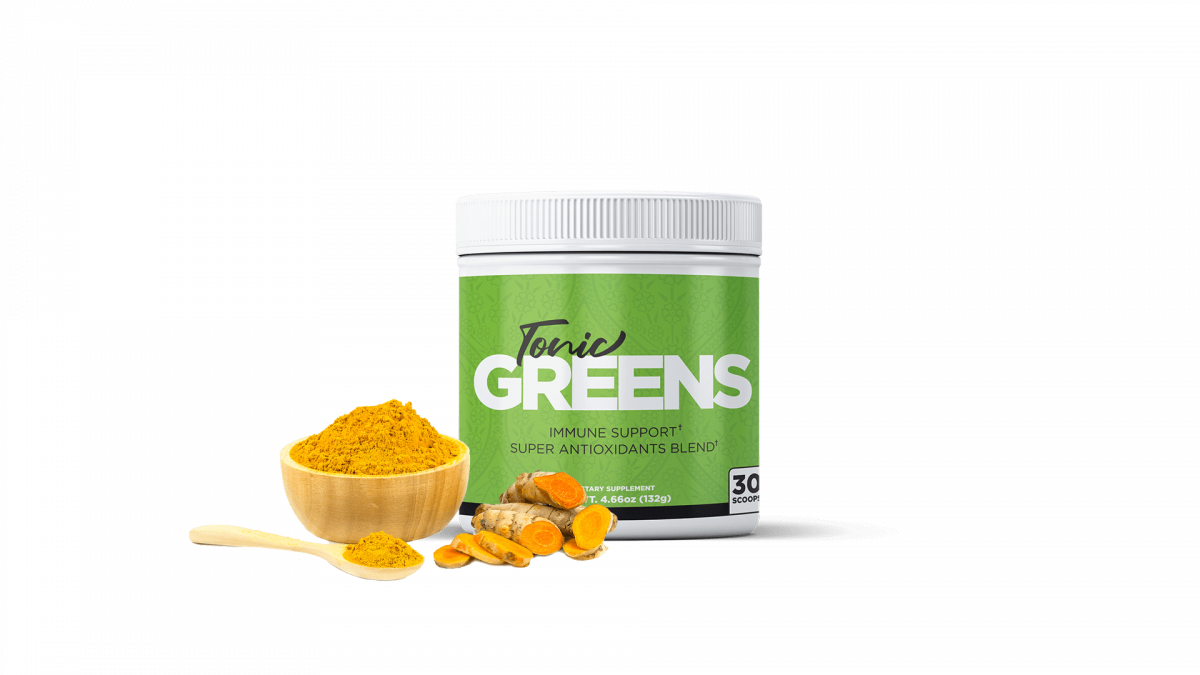
TonicGreens™ Advanced Immune Phytomix
- Concentrated daily formula featuring over 57 botanical extracts, prebiotics, and essential nutrients to support a resilient immune system
- Fortifies the body's natural defenses with a specialized blend of quercetin, resveratrol, and highly bioavailable curcumin
- Manufactured in the USA in a registered GMP facility, delivering pure, certified grade-A ingredients for foundational wellness
Protein serves as the building block for collagen and elastin. Without enough amino acids, skin density weakens over time. This loss of structural support causes the skin to drape differently around the bone structure of the face.
| Nutrient Category | Common Food Source | Primary Function |
| Vitamin C | Citrus fruits | Collagen production support |
| Iron | Leafy greens | Oxygen transport efficiency |
| Omega 3 | Wild salmon | Cell membrane integrity |
Framework For Addressing Potential Nutritional Gaps
Observe your intake of colorful vegetables. These provide the carotenoids necessary for skin tone and resilience. Focusing on these daily creates a base for healthy cell renewal.
Prioritize consistent water consumption throughout the daylight hours. Dehydration often worsens the appearance of hollow zones by drawing moisture away from non vital areas. Aim for steady intake rather than large volumes at once.
Incorporate healthy fats during your main meals. Fats are essential for the absorption of vitamins that maintain skin plumpness. Avocados, seeds, and nuts provide these needed fatty acids.
Frequently Asked Questions
Can stress directly cause hollow eyes?
Stress triggers the release of cortisol, which impacts how the body stores and utilizes energy. This hormonal shift often leads to muscle breakdown or redistribution of fat reserves over long periods.
Elevated stress levels also interrupt sleep patterns and digestion. When digestion suffers, the absorption of vital compounds decreases, leaving the skin without the resources it needs to stay firm. The combination of these internal changes often manifests as a more pronounced look around the eyes.
Do certain supplements help with facial volume?
Supplements are intended to bridge gaps in a healthy diet rather than replace whole foods. Collagen peptides and specific antioxidants are popular choices for those looking to support skin health from within.
Research suggests that the efficacy of these compounds depends on your baseline nutritional status. Taking a supplement without addressing foundational eating habits rarely produces the desired result. Focus on building a robust nutritional foundation first.
Is this condition purely related to age?
Age certainly plays a role in the natural thinning of skin and the shifting of facial fat pads. However, internal health significantly accelerates or slows how these changes appear to the eye.
Poor nutrition and chronic inflammation can make these traits appear earlier than genetics might dictate. Protecting your system through a nutrient-dense lifestyle helps manage these factors. Maintaining systemic health remains the most effective way to support your appearance over time.
How does iron deficiency impact facial appearance?
Iron facilitates the transport of oxygen to all tissues, including the delicate skin surrounding the eyes. Low iron levels frequently result in a pale appearance that highlights shadows.
This pallor makes existing hollows look more prominent than they might be under normal conditions. Improving your iron intake helps support healthy circulation and a more vibrant skin tone. Always check with a professional to understand your specific iron status before changing your supplement routine.
Should I worry about my electrolyte balance?
Electrolytes such as sodium, potassium, and magnesium regulate the fluid balance inside and outside your cells. An imbalance often leads to water retention or excessive fluid loss.
When fluid regulation is off, your skin may appear either puffy or sunken. Keeping these minerals in balance through a varied diet supports stable facial hydration. Proper intake of leafy greens and fruits usually keeps these levels where they belong.
The Bottom Line
Hollow eyes often serve as an external sign of an internal need for better nutrient intake. By focusing on iron, protein, and proper hydration, you provide your body with the tools it needs for tissue health.
Small, sustainable changes to your daily eating habits yield the most consistent results. Review your current nutritional intake and focus on incorporating whole, nutrient-dense foods to better support your systemic wellness.
Individuals with underlying health conditions or those currently under medical supervision should not alter their diets based on this information. Never stop or change any medication without consulting the provider who recommended it. Consult a licensed healthcare provider before starting any new wellness routine.
Get Your FREE Natural Health Guide!
Subscribe now and receive our exclusive ebook packed with natural health tips, practical wellness advice, and easy lifestyle changes, delivered straight to your inbox.