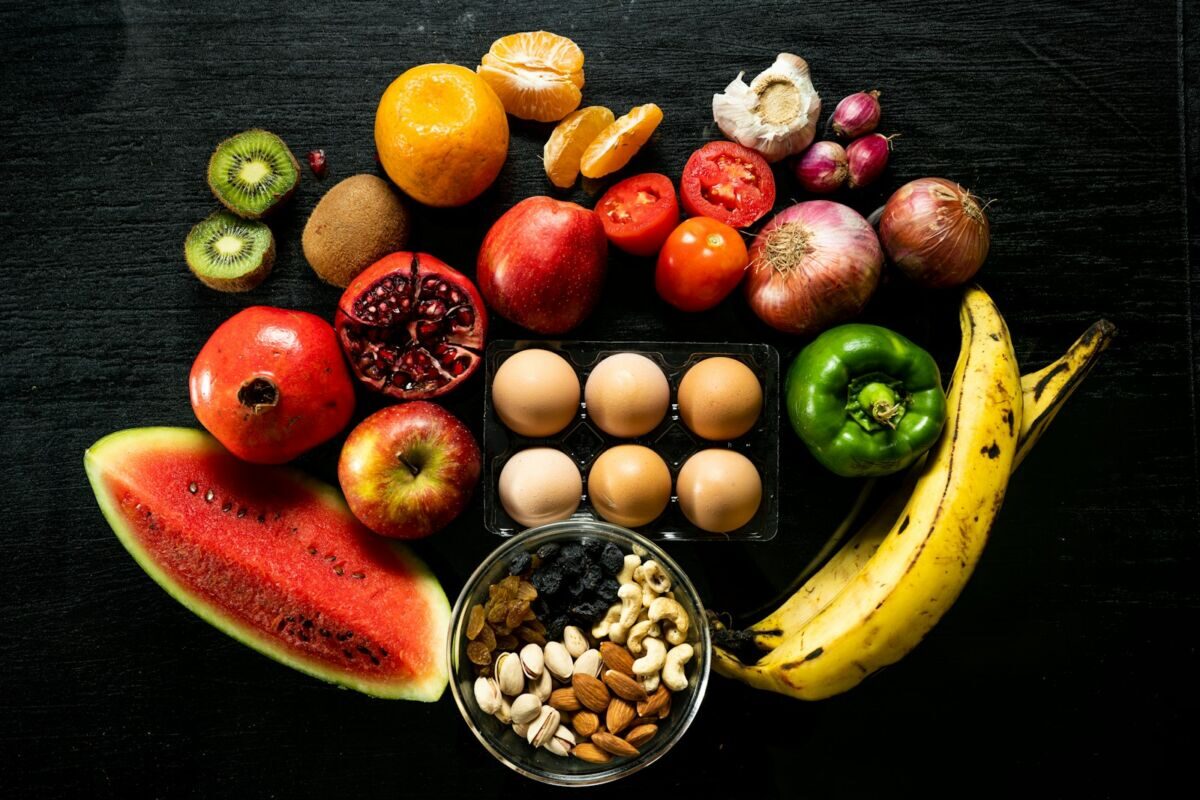

Eyesight Support Through Naturally Repairing The Macular Shield
Many of us notice subtle changes in our visual clarity as the years move forward. This often manifests as slight blurring or a reduced ability to distinguish fine details in dim environments. The back of the eye relies on specific pigments to function with precision.
These pigments form a protective layer that helps filter high energy light. Protecting this area involves consistent choices that favor specific nutrients over time. I focus on these patterns to help individuals understand how the eyes interact with common dietary habits.
Naturally repairing the macular shield through nutrition involves increasing intake of lutein, zeaxanthin, and omega fatty acids to support long term retinal health. These compounds accumulate in the retina to form a dense filter against light damage. Consistent dietary focus allows the body to maintain these protective pigment levels effectively.
Key Takeaways
- Research from the National Eye Institute shows that diets rich in leafy greens correlate with lower risks of advanced vision changes.
- The macular pigment density is measured in optical density units, often showing improvement after consistent intake of 10mg of lutein daily.
- Studies published by the Office of Dietary Supplements highlight how vitamin A is essential for maintaining a healthy retina.
Daily Diet Choices Naturally Repairing The Macular Shield
Building a resilient ocular defense requires a focus on nutrient density. The following selections provide the building blocks necessary for pigment maintenance. These foods work together to support structural integrity within the eye.
- Dark Leafy Greens: Spinach and kale remain the primary sources of plant pigments. These vegetables deliver high concentrations of compounds that the eye naturally stores.
- Orange Vegetables: Carrots and sweet potatoes offer essential precursors that the body converts into retinol. This compound supports the light sensitive cells found in the retina.
- Fatty Fish: Salmon and mackerel provide omega oils that support the moisture levels of the eye. These healthy fats assist in the absorption of fat soluble pigments.
- Egg Yolks: Whole eggs contain both lutein and zeaxanthin in a highly bioavailable form. Including these in a routine ensures consistent delivery of eye supporting nutrients.
- Bell Peppers: These colorful vegetables offer a high dose of vitamin C. This antioxidant plays a supporting role in the overall health of retinal tissues.
Comparative Nutrients For Visual Wellness
| Nutrient | Primary Function | Top Food Source |
|---|---|---|
| Lutein | Light Filtering | Kale |
| Zeaxanthin | Glare Reduction | Corn |
| Omega 3 | Tissue Health | Salmon |
Practical Dietary Application Scenarios
Effective nutritional habits require a simple framework for daily implementation. One approach involves pairing fat sources with carotenoid rich vegetables. This simple step increases the absorption of nutrients that rely on fat for transport into the bloodstream.
Consider the habit of adding avocado to a spinach salad. The healthy monounsaturated fats in the avocado create an ideal environment for the lutein in the spinach to be processed. This pairing strategy represents a logical way to get the most from every meal.
Consistency outweighs intensity when it comes to long term wellness. Adding one serving of these items to a daily routine helps maintain the shield over many years. This strategy avoids the need for complex planning while maximizing the nutritional benefit to the eyes.
Frequently Asked Questions
How long does it take to notice changes in ocular health?
Visible changes in pigment density do not occur overnight as the body requires time to accumulate these compounds in the retina. Research indicates that measurable increases in macular pigment density often appear after six months of consistent dietary intake. Sustained habits over several years provide the most stable support for retinal tissues.
Are supplements necessary for supporting the macular area?
Whole foods generally provide a balanced spectrum of nutrients that work better together than isolated extracts. A University of Washington resource confirms that the complex interactions between vitamins and minerals in food are superior for overall function. Supplements might fill a gap for some individuals, but they should never replace a diverse, nutrient dense diet.
Can intense light exposure damage the eye permanently?
The eye naturally manages light exposure through the use of built in filters found in the macula. However, extreme or prolonged exposure to high energy light can place an unnecessary burden on these protective layers. Using protective eyewear alongside a nutrient rich diet provides a dual approach to minimizing environmental stress.
Does hydration impact the quality of the macular shield?
Proper hydration is essential for the function of all ocular tissues, including the delicate structures of the retina. Water supports the flow of nutrients through the blood, ensuring that carotenoids reach the back of the eye efficiently. Dehydration can interfere with the transport of these essential compounds, potentially hindering the effectiveness of a good diet.
Why do green vegetables rank highest for eye health?
Green plants contain concentrated levels of xanthophyll carotenoids that the human body cannot produce internally. These specific pigments possess the exact chemical structure required to neutralize light induced stress at the site of vision. Consuming these plants regularly is the most reliable way to maintain the levels of these compounds in the eye.
The Bottom Line
Maintaining the macular shield relies on the daily consumption of colorful vegetables and healthy fats. These components provide the structural support required for long term visual health. Naturally repairing the macular shield through nutrition is a gradual process that rewards those who stay consistent with their food choices.
Focus on incorporating more leafy greens and omega three sources into your weekly meal plan. These simple shifts provide the necessary support for the eye without requiring complex changes to your lifestyle.
Individuals with existing visual limitations or those undergoing active medical care should prioritize expert advice. Never stop or change any medication without consulting the provider who recommended it. Consult a licensed healthcare provider before starting any new wellness routine.
Get Your FREE Natural Health Guide!
Subscribe now and receive our exclusive ebook packed with natural health tips, practical wellness advice, and easy lifestyle changes, delivered straight to your inbox.