
Understanding How To Naturally Support The Facial Fat Pads From Shrinking
Mirror reflections often reveal subtle shifts in facial structure that many people find unsettling over time. This volume loss frequently traces back to the shifting position and thinning of deep adipose tissues beneath the skin. Understanding this process provides a foundational perspective for long-term facial wellness.
Fat pads serve as the structural pillars that maintain youthful contours and cushion the underlying skeletal architecture. When these structures lose density or slide downward due to gravity and age, the skin above loses its smooth foundation. Research from the National Institutes of Health highlights how these complex anatomical compartments dictate the shifting appearance of facial features.
You can manage this process by prioritizing systemic collagen support, protecting skin integrity from environmental stress, and maintaining stable weight levels. These strategies focus on preserving the health of the connective tissue matrix that keeps adipose deposits in their proper position. Consistency in these wellness habits fosters a more resilient facial appearance as the years progress.
Key Takeaways
- Loss of volume in midface compartments typically begins accelerating between the ages of 35 and 45.
- Connective tissue density relies heavily on consistent intake of proteins and micronutrients like Vitamin C.
- External stress from ultraviolet radiation contributes to the breakdown of structural proteins by up to 80 percent in exposed areas.
Nutritional Foundations For Structural Integrity
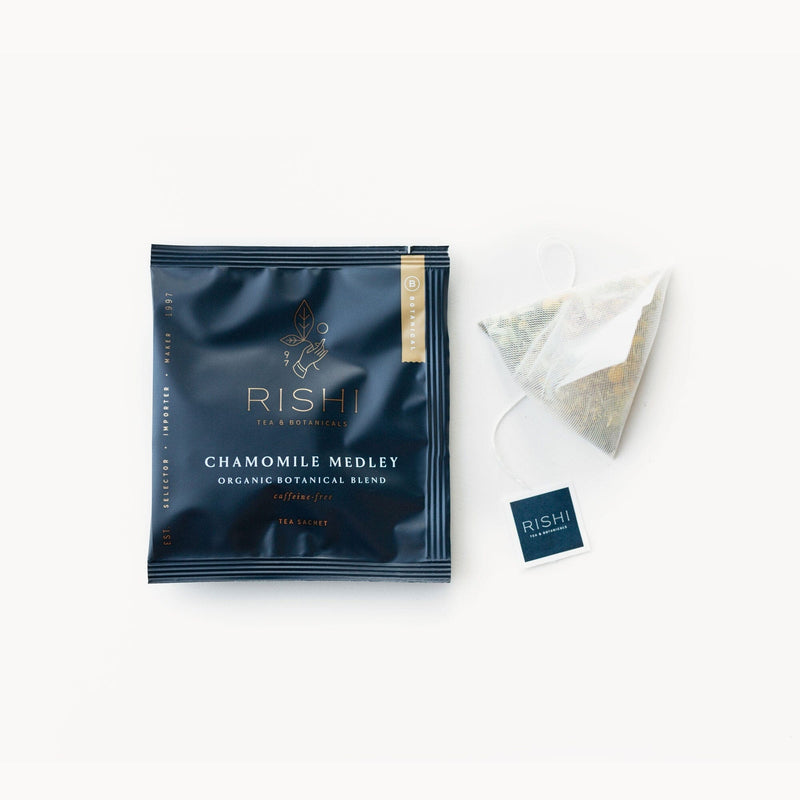
Rishi Chamomile Medley™ Botanical Blend
- Targeted botanical blend designed to work with your body's natural evening rhythms
- Supports a calm state of mind and consistent physical relaxation after a high-demand day
- Formulated for a smooth evening transition without relying on heavy synthetic sleep aids
The internal scaffolding of your face depends on the quality of building blocks you provide through your diet. Collagen production is a constant process that requires specific amino acids and vitamins to function correctly. A diet rich in lean proteins, such as wild-caught fish or legumes, provides the essential foundation for these tissues.
Vitamin C acts as an essential cofactor for stabilizing the collagen strands that hold these deposits in place. The U.S. National Library of Medicine documents how this nutrient serves a vital role in maintaining the strength of various connective structures throughout the body. Incorporating diverse sources like citrus fruits, bell peppers, and broccoli ensures your body has the materials needed to support skin density.
Comparison Of Protective Strategies
| Method | Mechanism | Primary Benefit |
|---|---|---|
| Sun Protection | Blocks UV radiation | Preserves structural proteins |
| Balanced Protein | Supplies amino acids | Builds collagen matrix |
| Hydration Status | Maintains cellular turgor | Supports tissue resilience |
Environmental Protection As A Daily Practice
The sun is the most significant factor in the degradation of the skin matrix and underlying fat stability. Chronic exposure to ultraviolet light breaks down the structural proteins that act as anchors for the pads. This process is often cumulative, meaning small habits yield massive differences over time.
Think of UV protection as an insurance policy for your facial structure. Wearing high-quality protection every day prevents the premature breakdown of the fibers that keep your features lifted. This is not just about avoiding pigment changes but about protecting the very foundation of your face.
Natural Ways To Support Facial Fat Pads As You Age
- Prioritize stable body weight because rapid fluctuations in weight can cause the internal fat compartments to lose their elasticity and structural memory.
- Optimize sleep positions by avoiding prolonged compression of the face against pillows, which encourages the displacement of soft tissues.
- Integrate antioxidant rich foods that combat systemic oxidative stress, which is known to degrade the fatty deposits and surrounding fibrous septa.
Frequently Asked Questions
Does facial exercise provide real structural support for fat pads?
Facial exercise generally targets the superficial musculature rather than the deep fat compartments themselves. While muscle toning may improve blood flow and the appearance of the overlying skin, it does not prevent the natural atrophy or migration of deep adipose tissue.
True support for these structures involves systemic health rather than isolated muscle work. Focus on internal nourishment and environmental protection for more consistent, long-term results that honor your natural anatomy.
Can weight loss significantly alter the volume of facial fat?
Significant weight loss often results in a proportional reduction of adipose tissue across the entire body, including the face. Because the face has specific compartments of fat, the loss of these pads can lead to a more hollow or aged appearance in certain regions.
Maintaining a stable weight helps these pads retain their intended volume and shape. Discuss any major weight changes with a professional to ensure your approach supports your overall health and aesthetic goals.
Are there specific foods that help preserve connective tissue?
Foods high in proline, glycine, and vitamin C are essential for the production of strong connective tissue. Bone broth, organ meats, and berries provide the necessary precursors for the body to maintain its structural matrix.
Hydration also remains a factor because well-hydrated tissues maintain their structural volume more effectively. Prioritize a diverse diet that covers all essential macro and micronutrients to support these deep tissues.
How does stress impact the appearance of facial structure?
Chronic stress increases circulating cortisol levels, which can have an influence on the degradation of structural proteins like collagen. Over time, this hormonal shift impacts the resilience of the connective tissues holding the fat pads in place.
Managing stress through consistent lifestyle practices is a component of a comprehensive approach to facial wellness. Look for ways to lower your daily stress to protect your body’s internal resources.
Is there research regarding the role of circulation in fat pad health?
Healthy circulation ensures that oxygen and nutrients reach the tissues, which is necessary for metabolic function in all adipose layers. The National Institutes of Health provides insight into how blood flow influences the health of the skin and underlying compartments.
Gentle movement and cardiovascular activity encourage optimal systemic blood flow. This supports the general vitality of the tissues beneath your skin without the need for invasive procedures.
The Bottom Line
Supporting the stability of your facial structure requires a commitment to systemic health and environmental protection. By focusing on collagen precursors, UV prevention, and weight maintenance, you provide your skin and its foundation the best possible environment to remain resilient.
Begin by evaluating your daily sun protection habits and protein intake to ensure they meet your individual needs. Consult a licensed healthcare provider before starting any new wellness routine.
Disclaimer: This content is for informational purposes only and does not constitute medical advice. Never stop or change any medication without consulting the provider who recommended it.
Get Your FREE Natural Health Guide!
Subscribe now and receive our exclusive ebook packed with natural health tips, practical wellness advice, and easy lifestyle changes, delivered straight to your inbox.