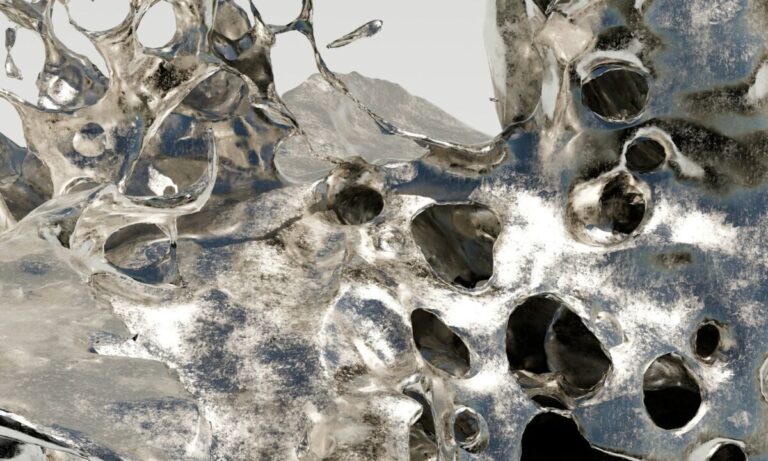

Heavy Metals May Be Softening Your Bones And Impacting Skeletal Integrity
Many individuals notice subtle changes in their physical resilience over time. These shifts often prompt deeper inquiries into environmental factors and internal wellness. Understanding how non-essential elements influence structural health provides a fresh perspective on long-term vitality.
Metals like lead, cadmium, and mercury accumulate within the body over extended periods. These substances disrupt the delicate balance of cells responsible for maintaining bone density. This interference can lead to weakened skeletal structures regardless of adequate calcium intake.
Heavy metals may be softening your bones by inhibiting the natural activity of bone-building cells while simultaneously accelerating the breakdown process. Exposure to these elements interferes with calcium absorption and hormonal pathways vital for mineral retention. This disruption leaves the skeletal frame more susceptible to fragility and structural compromise.
Key Takeaways
- Lead exposure interferes with vitamin D activation and calcium transport in bone tissues.
- Cadmium accumulation is linked to a reduction in bone mineral density by as much as 10 percent in high-exposure populations.
- Environmental toxins compete with essential minerals like zinc and magnesium for binding sites within the skeletal matrix.
Metabolic Disruption Of Mineral Homeostasis
The body relies on a constant exchange of minerals to maintain structural hardness. When toxic metals enter the system, they frequently mimic essential nutrients. This mimicry allows them to slip into the bone matrix in place of healthy minerals.
The National Institutes of Health indicates that lead is particularly notorious for this behavior. It persists in the skeletal system for decades once absorbed. This long-term presence alters the mechanical properties of the bone itself.
Cadmium exposure creates similar issues by hindering the production of active vitamin D. Without this hormone, the intestines cannot properly pull calcium from food sources. The body then compensates by leaching minerals from existing bone reservoirs.
Comparative Analysis Of Mineral Dynamics
| Element | Biological Impact | Source Exposure |
|---|---|---|
| Lead | Replaces Calcium | Contaminated Water |
| Cadmium | Inhibits Vitamin D | Tobacco Smoke |
| Mercury | Disrupts Enzyme Activity | Specific Seafood |
Practical Framework For Evaluating Environmental Risk
Evaluating exposure requires looking beyond basic dietary habits. Consider the common sources of contact within a living environment. Reducing total load serves as a foundational step for wellness preservation.
A government agency report emphasizes that historical plumbing and soil conditions often dictate lead risk. Assessing the age of a home remains a standard starting point for many individuals. Identifying these risks allows for targeted changes in daily habits.
Consider these proactive steps to reduce exposure risk:
- Test water sources to identify the presence of plumbing-related contaminants.
- Filter drinking water using systems certified for heavy metal reduction to protect systemic health.
- Monitor indoor dust which often harbors trace amounts of legacy pollutants in older structures.
Dietary Support And Nutrient Competition
Supporting the body with essential nutrients helps maintain a healthy mineral balance. Certain vitamins and minerals act as natural buffers against the accumulation of harmful elements. Adequate intake of calcium, iron, and zinc helps crowd out the space available for toxic metals.
The Centers for Disease Control highlights the importance of consistent nutrient intake in mitigating toxic effects. Balanced meals ensure the body has sufficient resources for repair and protection. This strategy focuses on optimizing the body’s native defenses rather than addressing symptoms.
Frequently Asked Questions
How do heavy metals specifically target the skeletal system?
Heavy metals function by mimicking essential minerals like calcium during the bone-building process. Once they occupy these spaces, they weaken the crystalline structure of the bone tissue, making it less dense and prone to brittleness.
This process also disrupts the signaling between cells that typically manage bone turnover. The result is a structural imbalance that prevents efficient repair and maintenance.
Can a standard diet reverse the effects of metal exposure?
Dietary adjustments provide necessary building blocks, but they do not eliminate existing metal stores. Consuming nutrient-dense foods helps prevent further absorption by maintaining optimal mineral levels in the bloodstream.
Focusing on high-quality nutrition provides a supportive environment for the body. However, it serves as a preventive measure rather than a corrective procedure for systemic accumulation.
Are certain age groups more vulnerable to structural damage?
Bone development and maintenance phases are particularly sensitive to environmental interference. Younger individuals developing their peak bone mass and older adults experiencing natural density loss face heightened risks from chemical disruptors.
The internal state of the skeletal system changes across the lifespan. Any additional stress from toxic exposure exacerbates these natural shifts in density.
How long do these metals typically remain in the body?
Elements like lead exhibit high persistence because they sequester directly into the bone matrix. While soft tissue levels may fluctuate, the skeletal system acts as a long-term storage site.
This retention can span decades, effectively creating a baseline of internal exposure. Understanding this lifespan highlights the importance of long-term avoidance strategies.
What is the most effective way to monitor environmental safety?
Monitoring begins with identifying external sources of contact within the living or working space. Utilizing professional testing services for water and soil provides concrete data regarding the presence of specific contaminants.
Routine assessment of one’s environment is more effective than intermittent concern. Establishing a clean living space reduces the daily burden on the body’s natural filtering systems.
The Bottom Line
Heavy metals may be softening your bones by displacing critical minerals and hindering natural repair cycles. Awareness of these hidden environmental factors allows for meaningful changes in one’s living space. Consistency in nutrient intake and source reduction serves as the most effective approach to skeletal preservation.
Assess your current living environment for potential exposure points like aged plumbing or contaminated soil. Consult a licensed healthcare provider before starting any new wellness routine.
Individuals with known metabolic conditions or those taking medication for bone density should monitor their environmental exposure closely. Never stop or change any medication without consulting the provider who recommended it. Consult a licensed healthcare provider before starting any new wellness routine.
Get Your FREE Natural Health Guide!
Subscribe now and receive our exclusive ebook packed with natural health tips, practical wellness advice, and easy lifestyle changes, delivered straight to your inbox.