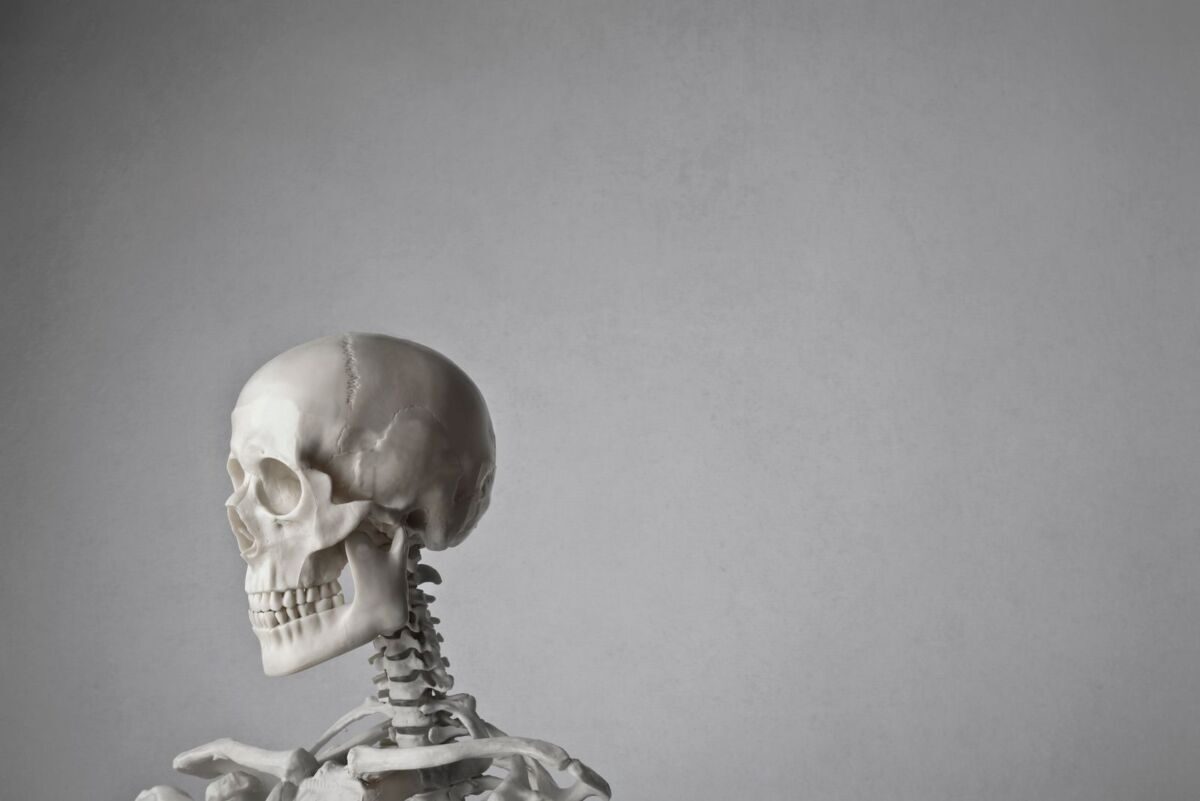

Liver Support Is Key For Building Stronger Bones
Many of us notice subtle shifts in our physical well-being that seem disconnected until we examine the broader systems at play. I often observe how readers struggle to connect the dots between internal organ function and the structural integrity of the skeleton. We tend to isolate these areas, yet they function as a unified biological network.
The research emphasizes that the liver does more than filter toxins. It plays a critical role in metabolic processes that influence how the body stores and utilizes minerals. Naturally supporting the liver to regulate bone-building hormones provides a foundational shift in how we approach long-term skeletal health.
By maintaining healthy liver function, you assist the body in synthesizing vitamin D and managing the proteins required for skeletal mineralization. This dual-action approach involves reducing oxidative stress on the organ and ensuring the availability of specific cofactors that govern systemic hormone balance.
Key Takeaways
- The liver manages the conversion of vitamin D into its active form, which is essential for calcium absorption in the gut.
- Individuals with reduced liver efficiency may show lower levels of insulin-like growth factor one, a hormone linked to bone density.
- Up to 80 percent of the body’s iron stores are kept in the liver, where excess accumulation can disrupt normal cellular signaling for bone health.
Naturally Supporting The Liver To Regulate Bone-Building Hormones Through Diet
Dietary habits serve as the primary communication channel between your environment and your liver cells. Prioritizing nutrient-dense foods helps reduce the metabolic load on the organ, allowing it to focus on hormone regulation rather than constant detoxification.
Evidence from the National Institutes of Health suggests that cruciferous vegetables contain compounds that assist natural detoxification pathways. By adding these to your meals, you provide the necessary raw materials for sustained metabolic performance.
| Nutrient Source | Primary Function | Systemic Benefit |
|---|---|---|
| Cruciferous Vegetables | Supports enzymes | Lowers inflammation |
| Healthy Fats | Aids absorption | Vitamin solubility |
| Berries | Reduces stress | Cellular protection |
The Crucial Role Of Protein And Mineral Balance
The liver acts as a processing center for the proteins that transport nutrients to the skeletal system. When this organ functions smoothly, it ensures that essential minerals are not just consumed, but properly mobilized to the sites where they are needed most.
Clinical data from the National Library of Medicine highlights the necessity of maintaining a stable intake of high-quality amino acids to preserve healthy tissue mass. Focusing on these building blocks allows the liver to prioritize the synthesis of proteins like osteocalcin, which anchors calcium to the bone matrix.
Practical Daily Strategies For Metabolic Longevity
Implementing a routine that eases the burden on your liver is a straightforward task. Consistency outweighs intensity when creating habits that promote long-term physiological stability.
- Hydration supports the natural flow of bile, which is essential for clearing metabolic waste that could otherwise interfere with hormone signaling.
- Fiber-rich intake from whole grains binds to excess substances in the digestive tract, preventing them from recirculating through the liver.
- Consistent sleep provides the downtime necessary for cellular repair, as the liver performs much of its restorative work during the night.
Understanding The Link Between Vitamin D And Metabolic Health
Vitamin D requires a two-step activation process, beginning in the liver before finishing in the kidneys. If liver efficiency is compromised, this critical hormone cannot reach the levels necessary to maintain bone mineral density.
According to the U.S. Department of Agriculture, maintaining a diverse nutrient profile is vital for supporting these metabolic conversions. Prioritizing foods that are naturally rich in these cofactors creates an environment where bone-building processes can proceed without interruption.
Frequently Asked Questions
How does liver health influence bone mineral density?
The liver is responsible for activating vitamin D, which is the primary driver for calcium absorption. When the liver is burdened by excess inflammation or metabolic stress, it cannot efficiently process this vitamin, leading to a ripple effect that weakens the skeleton over time.
Furthermore, the liver produces proteins essential for the transport of calcium and phosphorus to bone tissue. Maintaining a healthy organ ensures that these materials reach their destination, supporting structural integrity throughout every stage of life.
Are there specific foods that help the liver support bone health?
Focusing on dark, leafy greens and sulfur-rich vegetables provides the liver with the specific compounds it needs to maintain its functional capacity. These foods help reduce internal stress, allowing the body to prioritize hormone production over reactive repair.
Including healthy sources of omega three fatty acids also helps manage inflammation levels within the organ. By incorporating these items into your regular meals, you create a supportive environment for systemic hormone regulation.
What habits should be avoided to protect liver function?
Avoiding the intake of processed sugars and excessive alcohol is the most effective way to protect the liver from unnecessary strain. These substances demand significant resources for detoxification, which diverts energy away from bone-building hormone synthesis.
Reducing exposure to synthetic chemicals found in certain household products also lessens the daily load on your metabolic system. Small adjustments to your living environment can lead to measurable changes in how your body manages its internal resources.
Can exercise improve liver and bone health simultaneously?
Physical movement improves blood circulation, which helps the liver distribute hormones and minerals to the rest of the body more efficiently. This increased systemic flow ensures that bones receive the necessary mechanical signals to remain strong and resilient.
Weight-bearing activity in particular provides the mechanical load that triggers bones to remodel and strengthen. Combining this with a liver-supporting diet creates a synergistic effect that promotes long-term durability for both systems.
Should I monitor my liver enzymes to check bone health?
Monitoring liver enzymes is a common approach to assessing the health of the organ itself, rather than the state of the skeleton directly. These markers can provide a baseline for how well the liver is handling metabolic demands, which serves as a proxy for its ability to regulate systemic hormones.
If you notice persistent changes in these markers, it is a signal to review your dietary and lifestyle habits with a professional. Using this data as a guide helps you make informed decisions about how to support your overall wellness.
The Bottom Line
Liver Support Is Key For Building Stronger Bones because of its central role in hormone activation and protein synthesis. By focusing on foundational habits like hydration, high-quality nutrition, and consistent rest, you create the conditions necessary for your body to maintain skeletal strength.
Review your current daily intake to ensure it includes plenty of fiber and antioxidant-rich vegetables. Consult a licensed healthcare provider before starting any new wellness routine.
This information is intended for educational purposes only. Individuals with pre-existing conditions or those taking medication should not use these guidelines to alter their regimen. Never stop or change any medication without consulting the provider who recommended it. Consult a licensed healthcare provider before starting any new wellness routine.
Get Your FREE Natural Health Guide!
Subscribe now and receive our exclusive ebook packed with natural health tips, practical wellness advice, and easy lifestyle changes, delivered straight to your inbox.