
Intent Classification: Type A – Educational/Informational
Understanding Why Menopause Makes Your Eyes Feel Tired by 4 PM
I find that many women reach the middle of the afternoon only to feel a sudden, heavy fatigue settling behind their eyelids. This persistent sensation often occurs during the transitional years as hormonal fluctuations ripple through every system in the body. It creates a daily wall that makes focusing on tasks feel like a labor-intensive chore.
The shift in systemic hormones impacts how moisture is retained and how ocular tissues function throughout the day. Dryness, irritation, and a lack of visual endurance are common complaints among those navigating this phase of life. These symptoms frequently culminate as the day wears on and natural resources deplete.
Why menopause makes your eyes feel tired by 4 PM is primarily due to a drop in estrogen levels which reduces tear production and alters the protective composition of the ocular surface. This hormonal shift often leads to chronic dryness that worsens as the day progresses and screen time accumulates. Managing this requires a focus on hydration, environmental adjustments, and support for the tear film.
Key Takeaways
- Hormonal shifts reduce the production of aqueous components in tears by roughly 30 percent in some individuals.
- Digital eye strain occurs more frequently when blinking rates drop, often falling from 15 blinks per minute to fewer than 5 during intense focus.
- Research from the National Eye Institute indicates that ocular surface health relies heavily on stable lipid layers.
The Physiological Impact Of Declining Estrogen
Estrogen receptors exist throughout the ocular surface, including the cornea and the glands responsible for secreting tears. When these levels fluctuate or decline, the quality of the tear film changes. This film consists of three layers, and the oil layer is especially sensitive to hormonal balance.
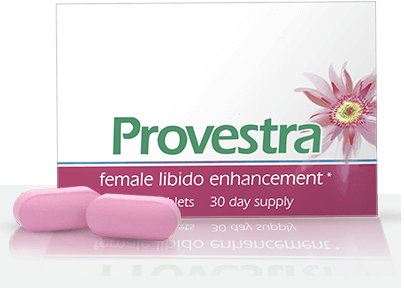
Provestra™ Women's Vitality Formula
- 100% herbal daily formula designed to support foundational female health and natural intimate wellness
- Provides botanical support for physical comfort, natural moisture, and emotional balance
- Doctor-approved capsule manufactured in a cGMP-compliant facility without synthetic hormones
Without sufficient oil, tears evaporate too quickly, leaving the surface vulnerable to friction. This results in that gritty, heavy feeling that often peaks as the afternoon sun begins to fade. It is not just a sense of sleepiness but a physical reality of the eye struggling to remain lubricated.
Evidence published by the National Institutes of Health highlights the link between hormonal receptors and the maintenance of the ocular surface. Addressing this often involves looking at how the entire body manages fluid and fat intake. Supporting these tissues from within can assist in maintaining comfort for longer periods.
Calculating Your Daily Digital Load
To understand the strain placed on your eyes, consider the ratio of focus time to recovery time. If you spend eight hours looking at a screen, your eyes endure a constant state of accommodation. This requires the internal muscles of the eye to stay engaged without a break.
You can calculate your personal strain factor using this simple method:
- Total Hours: Note the number of hours spent on digital screens before 4 PM.
- Blink Frequency: Observe how many times you blink in one minute while working.
- Rest Ratio: Divide your total screen hours by the number of hourly breaks taken to look at distant objects.
If your blink rate is below 10 per minute, your ocular surface is likely drying out before the day ends. A healthy target is to blink 15 times per minute consistently. Adjusting this single habit can change how you feel by the late afternoon.
| Factor | Normal Range | Impact Level |
| Blink Rate | 12 to 15 per min | Low strain |
| Screen Time | 2 to 4 hours | Minimal fatigue |
| Break Ratio | 1 break per hour | High recovery |
Environmental Triggers And Office Air
Work environments often feature low humidity levels due to central heating and air conditioning. These systems pull moisture from the air, which accelerates the evaporation of your natural tears. This creates a challenging environment for anyone experiencing increased ocular sensitivity.
Research from the Centers for Disease Control emphasizes the importance of proper lighting and air quality in professional settings. You might consider using a small personal humidifier on your desk to provide a buffer against dry air. Even a minor increase in local humidity can provide relief during long stretches of computer work.
Ceiling fans or direct air vents can also dry out the surface of the eye. Reorienting your workspace so that air does not blow directly into your face can mitigate these effects. Simple environmental tweaks often yield better results than focusing solely on internal supplements.
Nutritional Foundations For Ocular Health
Omega fatty acids play a primary role in supporting the lipid layer of your tears. A diet lacking in these essential fats can lead to a thinner, less effective tear film. Incorporating more of these fats can lead to better moisture retention throughout the day.
Focus on these sources to support your system:
- Cold Water Fish: Salmon, sardines, and mackerel offer concentrated doses of healthy fats.
- Flax Seeds: Ground seeds added to morning meals provide a plant-based alternative for fat intake.
- Walnuts: These provide a simple snack that supports overall systemic balance and hydration.
Consistency is more important than quantity when adding these items to your routine. It takes time for these fats to incorporate into the lipid layers of the body. Aim for a regular intake to support long-term comfort.
Hydration And The Systemic Connection
General hydration impacts every tissue, but the eyes are particularly sensitive to systemic fluid volume. If you are dehydrated, your body prioritizes vital organs over ocular lubrication. This means your eyes are often the first place to show signs of a deficit.
Tracking your intake can prevent that mid-afternoon slump. Many people find that drinking a full glass of water at the start of each work hour keeps their fluid levels stable. It is also helpful to monitor your electrolyte balance alongside pure water consumption.
Electrolytes like magnesium and potassium help the body absorb water effectively. Without these minerals, even high water intake may not resolve the feeling of dryness. Adding a slice of cucumber or a dash of sea salt to your water can help with absorption.
Frequently Asked Questions
Can screen filters help prevent eye fatigue in the afternoon?
Screen filters that reduce blue light may assist in lowering the perceived intensity of digital displays. While they do not directly change the biology of the eye, they often encourage more natural viewing postures. By lowering contrast and brightness, you allow your ocular muscles to relax more frequently during the day.
It is worth noting that blue light reduction is only one piece of the puzzle. Combining a screen filter with a consistent break schedule provides better results than using a filter alone. Experiment with display settings to find a level that minimizes strain during your most demanding hours.
Are over the counter drops a long term solution?
Many individuals use lubricating drops to manage the sensation of dryness that appears in the late afternoon. These products are helpful for providing temporary relief and maintaining moisture when the environment is harsh. They do not resolve the underlying hormonal or systemic reasons for the dryness, but they support daily comfort.
When selecting these products, look for preservative free options to avoid irritation. Frequent use of drops containing preservatives can sometimes cause more harm than good over time. Always monitor how your eyes respond and adjust your use as needed based on your comfort level.
Does sleep quality affect eye fatigue at 4 PM?
Sleep is the primary time for the body to repair tissues and restore the tear film. If your sleep is interrupted or insufficient, your eyes do not get the downtime needed to reset their lubrication levels. This leads to a cumulative deficit that becomes apparent by the end of the workday.
Creating a sleep routine that supports deep rest is vital for eye health. This includes avoiding blue light exposure in the hour before bed and keeping your bedroom dark. When you start the day well-rested, your eyes are significantly better equipped to handle the visual demands of your afternoon tasks.
Can specific lighting changes reduce eye strain?
Lighting that is too harsh or too dim forces the eye to work harder to interpret information. The goal is to match the light intensity of your screen to the ambient light in your room. This balance prevents the eye from constantly adjusting its focus and aperture.
Avoid placing your workstation directly beneath bright overhead lights that cause glare on your screen. Using a soft desk lamp that shines on your workspace rather than into your eyes can be helpful. Proper lighting creates a more relaxed environment that reduces the physical labor required for visual focus.
Are there exercises to strengthen eye focus?
Focus shifting exercises help train the ocular muscles to move between near and distant objects. You can perform this by focusing on a close object for ten seconds and then shifting your gaze to an object across the room. Repeating this cycle five times each hour keeps the muscles limber.
These exercises prevent the eyes from locking into a single focal plane for extended periods. This movement also encourages more frequent blinking, which clears the tear film. Taking these mini breaks is a habit that pays dividends for your comfort by the late afternoon.
The Bottom Line
Why menopause makes your eyes feel tired by 4 PM is a matter of hormonal changes affecting moisture levels and muscle endurance. By focusing on hydration, frequent blinking, and environmental adjustments, you can manage this discomfort effectively.
Monitor your daily habits to identify when the strain begins. Never stop or change any medication without consulting the provider who recommended it. Consult a licensed healthcare provider before starting any new wellness routine.
Get Your FREE Natural Health Guide!
Subscribe now and receive our exclusive ebook packed with natural health tips, practical wellness advice, and easy lifestyle changes, delivered straight to your inbox.