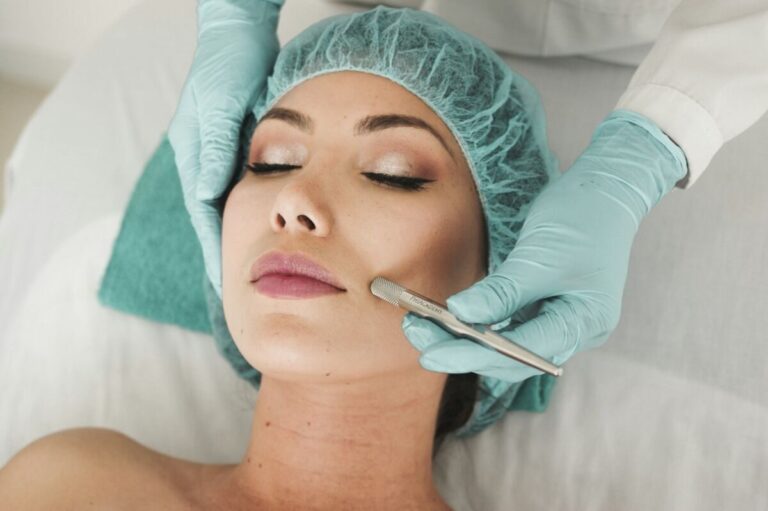
Strategies For Naturally Reducing Fluid Retention In The Cheeks And Jawline
I feel the subtle shift in my own facial puffiness every time I deviate from my standard hydration habits or consume too much salt at dinner. It shows up clearly along my jawline and around my cheeks upon waking, signaling that my body is holding onto excess water. Understanding this sensation is the first step toward managing it.
Many people mistake this transient bloating for permanent weight gain, but it often stems from simple shifts in fluid balance. My research suggests that minor adjustments to daily habits often result in a sharper, more defined facial appearance. Addressing this requires a consistent focus on systemic circulation and dietary choices.
Naturally reducing fluid retention in the cheeks and jawline involves balancing electrolyte levels, staying hydrated, and encouraging lymphatic drainage. These efforts help the body process and release stored fluids efficiently. Focusing on these core areas provides a steady path toward a more balanced facial contour.
Key Takeaways
- Systemic hydration levels remain stable when daily water intake aligns with physical exertion, typically requiring 2 to 3 liters for most healthy adults.
- Research from the National Institutes of Health indicates that high sodium consumption causes water retention by shifting osmotic pressure in cellular tissues.
- Physical movement such as brisk walking increases cardiovascular output, which helps move stagnant fluid through the lymphatic system at a rate of several liters per day.
Core Pillars Of Facial Fluid Management
Managing water balance requires looking at the body as a whole. Facial swelling is rarely an isolated event, as gravity and circulation play major roles throughout the day.
- Hydration Consistency: Drinking water throughout the day signals the body to release stored fluid rather than clinging to it out of necessity. Dehydration often triggers a survival response that causes the tissues to hold water.
- Sodium Balance: Excessive salt intake disrupts the delicate ratio of minerals that regulate cellular fluid levels. Reducing processed foods and replacing them with whole sources keeps these levels steady.
- Lymphatic Stimulation: The lymphatic system lacks a pump and relies on muscle movement to circulate. Gentle massage or facial rolling provides a physical nudge to move fluid away from the face.
- Sleep Elevation: Resting with the head slightly elevated prevents fluid from pooling in the facial tissues overnight. Gravity works in your favor when you add an extra pillow to your sleep setup.
- Potassium Intake: Potassium helps flush sodium out of the body through the kidneys. Consuming whole foods like leafy greens provides the nutrients necessary for this process.
- Temperature Regulation: Cooler temperatures can help constrict surface blood vessels and reduce localized swelling. A brief splash of cold water on the face in the morning can provide a temporary tightening effect.
- Physical Activity: Regular movement increases heart rate and improves circulation. Better circulation ensures that fluids do not settle in the lower areas of the face.
Quantifying Your Mineral Balance
The relationship between sodium and potassium is a mathematical game of balance. Your body maintains a specific ratio to ensure cells remain at the correct volume. Use this data as a general reference for understanding how mineral intake impacts your facial profile.
| Mineral Type | Daily Recommendation | Primary Function |
| Sodium | Under 2300 milligrams | Regulates blood volume |
| Potassium | 4700 milligrams | Balances fluid pressure |
| Magnesium | 320 milligrams | Supports nerve signal |
The Mechanics Of Lymphatic Drainage
Facial massage serves as a practical demonstration of moving fluid by hand. You do not need expensive tools to encourage this natural flow. Use your fingertips to apply light, sweeping pressure along the jawline toward the ears.
- Start At The Center: Begin at the chin using gentle upward strokes.
- Move Along The Jaw: Apply pressure while moving your fingers along the jawline toward the earlobes.
- Drain Toward The Neck: Finish the motion by sliding your fingers down the sides of the neck to encourage drainage into the larger circulatory pathways.
This process mimics the natural flow of the lymphatic system. Perform this for three to five minutes each morning to notice a visible difference in puffiness. Data from the National Library of Medicine highlights the importance of proper fluid regulation for overall tissue health.
Dietary Support For Facial Definition
Whole foods contain water and minerals in natural proportions that the body processes easily. Focusing on these items provides the foundation for systemic balance.
- Cucumbers: These are high in water content and contain compounds that support kidney function.
- Celery: This vegetable acts as a natural diuretic that helps the body shed excess water weight.
- Dandelion Greens: These greens are well known in herbal literature for supporting healthy waste elimination.
- Asparagus: This food contains high levels of asparagine which helps the body process fluids efficiently.
Consistently choosing these foods over processed snacks reduces the internal burden on your organs. A study cited by the Centers for Disease Control shows that lowering sodium intake is a primary factor in reducing fluid-related bloating.
Frequently Asked Questions
Does drinking more water help reduce facial puffiness?
Yes, drinking adequate water helps the body maintain a healthy balance of fluids. When you stay hydrated, the body no longer feels the need to store water in tissues as a protective measure.
This process encourages the kidneys to filter out waste and excess minerals more effectively. Consistent water intake is one of the most reliable ways to maintain a balanced facial profile.
Can salt intake really change how my jawline looks?
Salt plays a direct role in how much water your body retains at the cellular level. When sodium levels rise, the body draws water into the tissues to dilute the excess mineral concentration.
This leads to visible swelling in areas like the cheeks and jawline shortly after a high salt meal. Limiting refined salt is a practical step for those seeking to reduce transient facial fluid.
Why is my face puffier in the morning than at night?
Gravity causes fluid to shift throughout the body based on your position. When you lie flat for several hours during sleep, fluid settles and distributes evenly across the face.
Once you are upright for an hour or two, gravity pulls this fluid downward and the puffiness naturally subsides. Sleeping with your head slightly elevated can minimize this overnight effect.
Are there exercises that specifically target facial fluid?
Facial massage and targeted muscle movement help encourage the movement of stagnant lymph. While they do not burn fat, they do help the lymphatic system clear trapped water from the tissues.
Consistency is more important than intensity when performing these movements. Gentle, upward pressure is enough to stimulate the natural drainage pathways of the face.
How long does it take to see changes in facial puffiness?
Most individuals notice a reduction in fluid within a few days of adjusting their sodium and water intake. The body is responsive to these changes and usually rebalances within a short period of time.
Maintaining these habits over the long term ensures that your facial profile remains consistent. You will likely see the most significant results by combining dietary changes with daily movement.
The Bottom Line
Achieving a balanced and defined facial profile relies on consistent habits that support healthy circulation and fluid regulation. Simple choices regarding your salt intake and daily water consumption remain the most reliable methods for naturally reducing fluid retention in the cheeks and jawline.
Pay attention to how your body responds to specific foods and movement patterns. Start by incorporating one new habit this week to see how your facial tissues react to the change. Never stop or change any medication without consulting the provider who recommended it. Consult a licensed healthcare provider before starting any new wellness routine.
Get Your FREE Natural Health Guide!
Subscribe now and receive our exclusive ebook packed with natural health tips, practical wellness advice, and easy lifestyle changes, delivered straight to your inbox.