The Collective Challenge Of Naturally Preventing Muscle Wasting During Weight Loss
We all understand the frustration that surfaces when the scale finally dips, only to realize the mirror shows a loss of tone instead of just fat. This cycle of shedding weight while seeing strength fade is a common human struggle that touches almost everyone chasing a leaner frame. It feels counterintuitive to work so hard for health, yet feel less capable and soft in the process.
Most individuals equate weight reduction with a simple calorie deficit, but the body possesses a clever, survival-based logic. When energy intake drops too low without the right signals, the metabolism begins to break down structural tissue for fuel. This shifts the focus from burning stored lipids to sacrificing vital muscle fibers.
Naturally preventing muscle wasting during weight loss requires a shift in strategy that prioritizes protein intake, resistance training, and gradual pacing. By providing the body with sufficient building blocks and mechanical tension, you signal to your system that those hard-earned muscle fibers remain necessary for daily function.
Key Takeaways
- Daily Protein Requirements: Consuming between 1.6 and 2.2 grams of protein per kilogram of body weight preserves lean tissue during a deficit.
- Rate Of Loss: Reducing body mass by 0.5 to 1.0 percent of total weight per week minimizes the risk of significant metabolic tissue breakdown.
- Resistance Frequency: Performing strength-based activities at least three times per week triggers the signals necessary for retention of contractile structures.
Core Pillars For Sustaining Strength During Weight Shifts
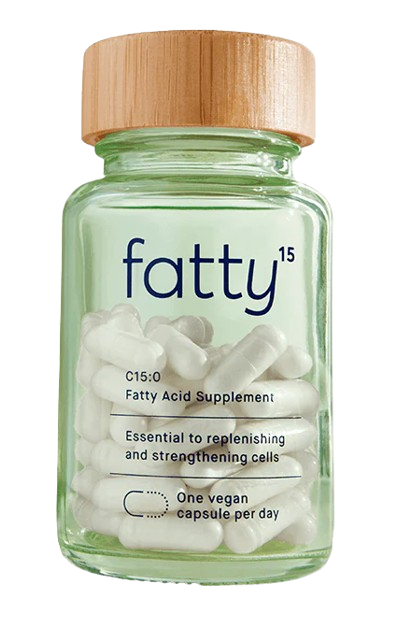
fatty15™ C15:0 Essential Fatty Acid
- Science-backed, pure C15:0 supplement designed to provide foundational support for cellular health
- Promotes balanced metabolism, steady daily energy, and healthy aging from the inside out
- Vegan-friendly, pure, and manufactured in a cGMP-compliant facility
Effective management of your physique starts with how you fuel your recovery. You must look at nutrition as more than just a tally of daily energy inputs. Food serves as a primary communicator to your hormones and tissues.
- High-Quality Protein: Prioritize complete amino acid sources such as poultry, fish, tofu, or legumes at every meal. These nutrients provide the building blocks that repair tissues after your daily activities.
- Mechanical Tension: Lift weights or use your own body to push against resistance regularly. Scientific literature from the National Institutes of Health confirms that resistance exercise is the most potent stimulus for maintaining tissue density during energy restriction.
- Consistent Sleep: Quality rest allows your body to regulate cortisol levels which otherwise encourage tissue breakdown. Aim for seven to nine hours of undisturbed sleep every single night to support hormonal balance.
- Gradual Deficits: Avoid aggressive changes in your diet that drop energy availability too quickly. A modest reduction of three to five hundred calories per day is often sufficient to trigger steady progress without causing internal panic.
- Hydration Habits: Water plays a role in every chemical reaction within your cells. Being properly hydrated ensures that your metabolism runs efficiently and supports the delivery of nutrients to your cells.
- Micro-Nutrient Density: Focus on whole vegetables and fruits to ensure you get the vitamins needed for energy metabolism. These provide the necessary cofactors for your body to function at its best during a challenge.
- Periodic Maintenance: Occasionally eat at your maintenance level for a few days to reset your internal hunger signals. This break prevents the body from adapting to a low energy state by slowing down your metabolic fire.
The Calculation Of Your Daily Fuel Needs
Precision helps you stay on track without guessing your way through the process. Use this simple formula to determine your baseline protein goal for maintaining your current physique. Start by calculating your lean body mass if you know your approximate fat percentage.
Take your body weight in kilograms and multiply it by 2.0. For an individual weighing 80 kilograms, this equates to 160 grams of protein spread throughout the day. Spreading this across four meals ensures your system has a constant supply of nitrogen for tissue repair.
Keep in mind that data from the Centers for Disease Control suggests that meeting these nutritional targets also supports long-term satiety. Tracking these simple numbers for one month often creates the habit necessary for sustainable, healthy outcomes.
| Nutrient Type | Target Goal | Purpose |
| Protein Intake | 2.0 grams per kg | Protects lean mass |
| Caloric Deficit | 300 to 500 kcal | Promotes steady change |
| Resistance Sets | 3 to 5 per week | Signals tissue demand |
Integrating Movement Into Your Daily Routine
Physical activity should not feel like a chore you dread. Find movements that challenge your muscles in different planes of motion. Squats, hinges, pushes, and pulls form the foundation of a robust frame.
Start small if you are returning to an active lifestyle after a long hiatus. Consistency matters far more than the intensity of a single session. The goal is to signal to your body that your muscles are still required for survival.
Many individuals find success by grouping their strength sessions into full-body days. This frequency keeps your heart rate healthy while ensuring each muscle group receives a signal to hold its ground. Always focus on your form before increasing the weight you lift.
Optimizing Your Plate For Metabolic Health
Your grocery list dictates your physical potential. When you choose whole foods over processed alternatives, you provide your body with the stability it needs to prioritize fat burning. Complex carbohydrates like oats, quinoa, and tubers provide the energy needed to push through a challenging session.
Fats should come from sources like avocado, nuts, and olive oil in moderate portions. These fats support hormone production, which is essential for maintaining a healthy metabolic rate. Every meal should balance these three macro-nutrients to keep your blood sugar steady.
Information from the National Library of Medicine emphasizes that steady nutritional habits are the foundation for any wellness change. Prioritize fiber from vegetables to keep your digestion smooth and your appetite controlled. This approach makes the process feel sustainable rather than restrictive.
Frequently Asked Questions
Can I maintain all my size while losing body fat?
Maintaining every gram of tissue is difficult during a significant deficit because the body naturally becomes more efficient as it shrinks. You can, however, minimize loss significantly by keeping your protein high and your training intensity consistent throughout the process.
Focus on slow, steady changes rather than drastic cuts to your food intake. This allows your hormones to remain in a state that favors retention of your current lean tissue density. If you find your strength plummeting, add a small amount of healthy carbohydrates back into your daily plan.
Does the time of day I exercise impact my tissue retention?
Most research shows that the total volume of work performed over the week matters more than the exact hour you visit the gym. Consistency remains the primary variable in whether your body chooses to maintain or sacrifice tissue.
Choose a time when you feel most energized and capable of giving your full effort to your training. Your body responds to the mechanical stress regardless of whether you lift in the morning or the evening. Being able to perform your routine without fail is the most important factor for your success.
Should I use supplements to keep my strength up?
Whole foods should always form the foundation of your nutritional plan because they contain a complex matrix of vitamins and minerals. Supplements like creatine monohydrate can provide a small benefit for training capacity, but they cannot replace the necessity of a balanced diet.
Never rely on pills or powders to bridge the gap left by a poor diet. Most people meet their goals by eating high-quality proteins and complex carbohydrates consistently. If you decide to add anything, focus on basic options that have clear, long-term safety profiles.
How do I know if I am losing too much muscle?
Small fluctuations in weight are normal, but a consistent decline in your ability to lift your usual weight is a red flag. If your strength drops steadily for more than two weeks, your deficit is likely too aggressive.
Pay attention to how your clothing fits and your general energy levels throughout the day. A loss of definition or a flat appearance in the muscles often signals that the body is burning through its internal reserves. Adjust your intake upward until your performance stabilizes during your training sessions.
What happens to my metabolic rate as I get leaner?
As you lose mass, your body requires less energy to move and function, which naturally slows your metabolism. This is a normal part of the process that occurs for every individual as they change their body composition.
To counteract this, you must keep moving and maintain your muscle mass through consistent resistance training. High muscle density requires more energy to maintain than fat tissue. By staying active and well-nourished, you ensure your metabolic engine continues to run at an efficient pace.
The Bottom Line
The journey toward a leaner frame succeeds when you view the process as a long-term adjustment rather than a temporary fix. Prioritizing protein, staying consistent with resistance movement, and ensuring your caloric deficit is modest creates the best environment for Keep Your Lean Muscle While Naturally Preventing Muscle Wasting During Weight Loss.
Monitor your performance, adjust your intake based on your output, and remain patient with your progress. Never stop or change any medication without consulting the provider who recommended it. Consult a licensed healthcare provider before starting any new wellness routine.
Get Your FREE Natural Health Guide!
Subscribe now and receive our exclusive ebook packed with natural health tips, practical wellness advice, and easy lifestyle changes, delivered straight to your inbox.