Understanding Managing Dry Mouth From Blood Pressure Medication
You notice that specific sticky sensation whenever you speak for long durations or wake up after a full night of rest. This shift in moisture often coincides with changes in your daily health habits or new additions to your personal wellness routine. It feels like a persistent lack of hydration despite drinking enough water throughout the day.
Many individuals identify this subtle discomfort when they begin managing dry mouth from blood pressure medication as a standard part of their cardiovascular support journey. The physical sensation stems from how certain compounds interact with the salivary glands rather than a failure of your hydration habits. It represents a common feedback loop within your body as it adjusts to new chemical balances.
Dry mouth from blood pressure medication occurs because these formulas often restrict the signals that stimulate fluid production in the oral cavity. To mitigate this, individuals focus on frequent small sips of water, sugar free gum to trigger saliva, and specialized oral rinses designed for moisture retention. Never stop or change any medication without consulting the provider who recommended it.
Key Takeaways
- Up to 80 percent of individuals report some level of oral dryness when using various antihypertensive formulas.
- Saliva flow rates typically decrease by 20 to 40 percent when specific diuretics impact systemic fluid regulation.
- Consistent moisture management can reduce the risk of oral decay by maintaining a neutral pH balance in the mouth.
Physiological Impact Of Reduced Salivary Flow
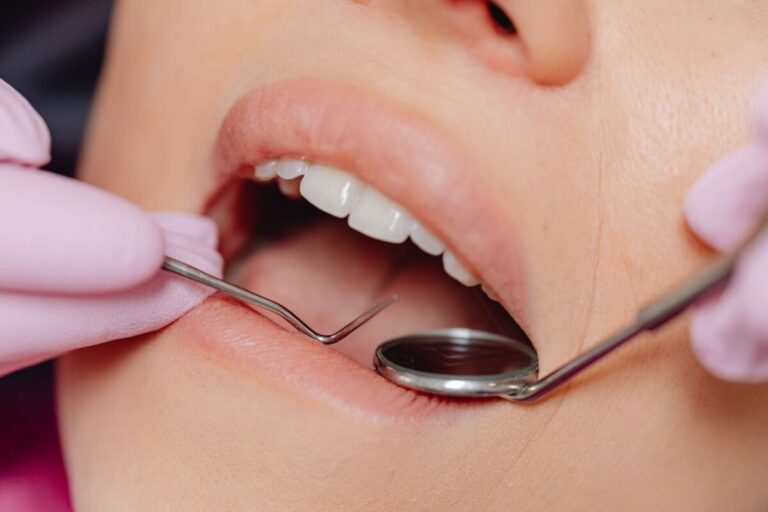
Your salivary glands perform a vital role in protecting the delicate tissues of your mouth. When fluid production slows, your teeth lose a natural layer of defense against acidic food remnants. This loss of protection increases the sensitivity of your gums and tongue over time.
The National Institute of Dental research suggests that constant hydration remains the first line of defense for oral tissue integrity. You might find that your mouth feels parched even after you consume plenty of liquids. This happens because the medication changes the composition of the saliva itself.
Saliva serves as more than just a lubricant for speaking or swallowing. It washes away food particles that would otherwise linger near your teeth. Without enough flow, these particles create a breeding ground for bacteria that thrive in dry environments.
Practical Strategies For Daily Moisture Support
You can adjust your daily environment to compensate for these systemic shifts. Small lifestyle changes often provide the most relief for persistent oral dryness. Focus on these simple adjustments to maintain better comfort levels throughout your day.
- Humidifier Usage: Running a cool mist machine in your bedroom adds moisture to the air while you sleep.
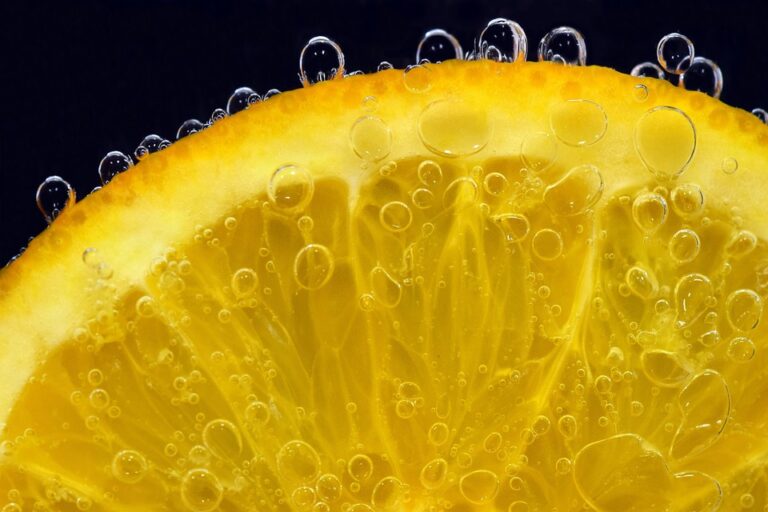
- Citrus Avoidance: Limit acidic fruits or beverages that might irritate already sensitive or parched oral tissues.
- Breath Control: Practice nasal breathing instead of mouth breathing to prevent moisture evaporation from your throat and tongue.
Hydration timing matters as much as the total volume of water you consume. Sipping small amounts every thirty minutes keeps your tissues coated better than drinking a large glass all at once. Consistent moisture application protects your oral lining from irritation.
Calculating Your Hydration Frequency Needs
You can estimate your required intake by calculating your activity level and the ambient humidity of your living space. Use this simple formula to determine your baseline water frequency. Take your total body weight in pounds and divide that number by two to find your daily ounce goal.
| Activity Level | Water Increase | Baseline Goal |
| Sedentary | Zero Ounces | Base Weight Divide Two |
| Moderate | Twelve Ounces | Base Plus Addition |
| Intense | Twenty Ounces | Base Plus Addition |
Multiply your activity level adjustment by the number of hours you spend in dry air environments. This helps you account for the extra fluid loss common in office buildings or heated homes. Accurate tracking prevents the common dip in moisture levels that occurs in the afternoon.
Nutritional Considerations For Oral Health
Certain nutrients support the health of your mucous membranes. Vitamin A remains essential for the maintenance of soft tissue throughout the body. You can find this nutrient in sweet potatoes, carrots, and leafy green vegetables.
Research from the National Library of Medicine emphasizes that systemic nutrition influences how your glands produce fluid. A diet rich in whole foods supports better overall tissue function. Avoid excessive salt intake as it naturally draws moisture away from your oral cavities.
Keep a journal of how different food groups impact your comfort levels. Some individuals find that increasing healthy fats helps improve the feeling of their oral tissues. Focus on avocados, walnuts, and flax seeds as part of your balanced intake.
Monitoring Changes In Oral Sensitivity
You must watch for signs that your oral environment requires more than just water. Redness or persistent sores suggest that your gums are struggling with the lack of natural cleansing. These signs indicate that your body needs a different approach to moisture retention.
Consulting your primary care provider ensures that your cardiovascular health remains the priority. They may suggest specific adjustments or offer guidance on alternative ways to support your heart without compromising your comfort. Always track these changes so you have clear data to share during your visits.
Reliable MedlinePlus health information regarding oral care highlights the importance of regular hygiene checks. Brush gently with soft bristles to avoid damaging the dry tissue. Use products that contain no alcohol to prevent further evaporation of existing moisture.
Frequently Asked Questions
How does medication affect salivary production?
Certain compounds influence the nerves responsible for signaling your glands to release fluid. This interruption creates a sense of constant thirst even when your systemic hydration levels are adequate.
The shift is rarely permanent but requires consistent management while you follow your wellness plan. Focus on gentle stimulation of the glands to help maintain a comfortable oral environment throughout the day.
Are there specific foods that help with oral dryness?
Crispy vegetables like celery and cucumbers provide high water content and require significant chewing to consume. This physical action serves as a natural prompt for your glands to release more saliva.
Other options include melon or berries which offer both hydration and essential vitamins. Avoid processed crackers or dry snacks that absorb existing moisture and leave your mouth feeling more parched.
Can environmental factors make this worse?
Dry indoor air from heating or cooling systems strips moisture from your breath every time you exhale. This loss is especially noticeable at night when your natural saliva production slows down significantly.
Using a room humidifier or sleeping with a glass of water nearby helps mitigate the impact of your environment. Keep your living area at a moderate humidity level to support better oral comfort.
Should I switch to different oral hygiene products?
Many standard mouthwashes contain alcohol which acts as a drying agent for delicate oral tissues. Switching to formulas specifically labeled as alcohol free provides a much more soothing experience for your gums.
Look for products containing xylitol or those designed for sensitive tissues. These ingredients help maintain moisture and support a healthy balance in your mouth without causing further irritation.
When should I report symptoms to my provider?
Report any persistent sores, bleeding gums, or difficulty swallowing that does not improve with standard moisture habits. These symptoms indicate that your oral tissue health requires closer attention and professional evaluation.
Your provider can check for underlying causes that might complicate your cardiovascular management. Keeping a log of your symptoms helps them determine the best path forward for your overall wellness.
The Bottom Line
Managing dry mouth from blood pressure medication requires a consistent approach to hydration and oral hygiene. By focusing on smart water intake and avoiding drying agents in your personal care products, you can maintain your comfort throughout the day.
Observe how your body responds to these adjustments over the next two weeks. If the sensation remains intense, discuss these observations with your provider to refine your strategy.
This information is for educational purposes and does not replace professional medical advice. Individuals with chronic cardiovascular conditions should rely on personalized care plans. Consult a licensed healthcare provider before starting any new wellness routine.
Get Your FREE Natural Health Guide!
Subscribe now and receive our exclusive ebook packed with natural health tips, practical wellness advice, and easy lifestyle changes, delivered straight to your inbox.