Does Red Algae Calcium Actually Work? My Independent Analysis
Rating: 4.7/5
Bottom Line: In my evaluation as an independent auditor, this formulation effectively addresses the primary drawback of standard calcium supplements: poor intestinal absorption. Combining plant-derived minerals with complementary Vitamins D3 and K2 supports bone utilization while helping avoid unwanted soft-tissue calcification risks.
Marketing Breakthrough or Hype? A Direct Look
If you have been looking into skeletal health options online, you have likely come across bold advertisements for Red Algae Calcium promising dramatic improvements in bone density. In my role reviewing wellness products, I approach these aggressive promotional statements with healthy skepticism.
However, the underlying issue is valid. Standard budget supplements rely heavily on mineral rock (calcium carbonate), which can be difficult for the digestive tract to process and frequently leads to gas, bloating, or constipation. I conducted a deep dive into the Icelandic Red Algae Calcium formula to assess whether its plant-based delivery system represents real value or merely clever marketing.
Plant vs. Rock: Understanding the Delivery Mechanism
The critical distinction lies in the primary source material. Rather than using mined calcium carbonate rock, this formula utilizes marine-derived Lithothamnion algae.
Marketing Claims vs. Scientific Reality:
- The Marketing Claim: “The most bioavailable calcium source ever discovered.”
- The Scientific Reality: Plant-based calcium features a porous, honeycomb-like microstructure, offering significantly greater surface area than dense mineral stone. This structure allows stomach acid to break down the compound more efficiently, resulting in smooth digestion and reduced risk of gastrointestinal discomfort.
What’s Inside the Formula? Ingredient Breakdown
Taking calcium in isolation is rarely optimal. Without key nutrient co-factors, dietary calcium may accumulate in arterial walls rather than integrating into bone structure. Here is how the key components function:
| Ingredient | What It Does (Science-Based) |
|---|---|
| Red Algae Calcium | A plant-based source containing calcium, magnesium, and over 70 trace minerals. It is clinically shown to be more bioavailable than calcium carbonate. |
| Vitamin D3 | The “Gatekeeper.” It helps your gut absorb calcium into the bloodstream. Without D3, calcium passes right through you. |
| Vitamin K2 (MK7) | The “Navigator.” K2 activates osteocalcin, a protein that grabs calcium from the blood and binds it to the bone matrix, keeping it out of your arteries. |
| Magnesium | Essential for bone flexibility. A proper Calcium-to-Magnesium ratio is vital to prevent brittleness. |
Evaluating the Strengths & Compromises
PROS:
- Gentle on Digestion: Organic plant structure substantially decreases likelihood of stomach distress, gas, or constipation.
- Comprehensive Synergy: Formulated with Vitamins D3 and K2, saving you from needing to buy three separate bottles to get a safe setup.
- Naturally Occurring Minerals: Marine algae naturally supplies essential trace minerals including Strontium, Boron, and Vanadium.
- 67-Day Refund Policy: Backed by a full 67-day guarantee to evaluate personal response and satisfaction.
CONS:
- Premium Price: Priced at $59.99, it represents a higher investment than basic drugstore alternatives.
- Requires Long-Term Consistency: Bone remodeling is a gradual biological process; structural changes require steady daily use rather than overnight results.
Realistic Timeline & User Expectations
For those integrating this marine calcium supplement into their routine, here is a practical timeline based on observational data:
- Month 1: The primary initial observation is digestive ease, without the stomach heaviness linked to mineral rock calcium.
- Months 2–3: Users often note better joint mobility and less morning stiffness as trace minerals and magnesium accumulate in the body.
- Month 6+: This serves as an appropriate timeframe to discuss follow-up bone density testing with a medical practitioner.
Final Verdict & Educational Summary
Target Demographic & Suitable Profiles:
This combination is formulated for adults over 50, individuals prone to supplement-induced stomach upset, or those seeking a balanced calcium approach that includes Vitamin K2 for cardiovascular consideration.
Profiles That May Seek Alternatives:
Individuals on strict budgets who tolerate generic calcium carbonate comfortably may find conventional mineral products sufficient. Additionally, those taking prescription blood thinners (such as Warfarin) must consult their physician prior to use due to the Vitamin K2 content.
Disclaimer: This content is for educational and informational purposes only and does not constitute medical advice. I am not a doctor or healthcare professional. Always consult a qualified medical professional before starting any new supplement regimen.
Affiliate Disclosure: I may earn a commission if you purchase products through links in this review (at no additional cost to you). This helps support independent research and testing.
Get Your FREE Natural Health Guide!
Subscribe now and receive our exclusive ebook packed with natural health tips, practical wellness advice, and easy lifestyle changes, delivered straight to your inbox.
Icelandic Red Algae Calcium
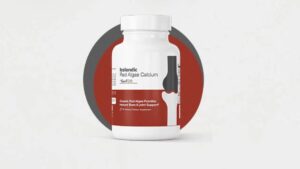
This review evaluates Icelandic Red Algae Calcium for bone health, analyzing its plant-based bioavailability, the critical synergy between Vitamins D3 and K2, and its practical advantages over standard mineral-based calcium supplements.
Product Brand: Icelandic
4.7