The Nutritional Baseline: Can Diet Help Manage Herpes Outbreaks
Our everyday meals shape the localized cellular environment that either supports or challenges dormant viruses. We often focus on external weather or physical stress but the contents of our plate establish our internal baseline. Building a dietary foundation geared toward tissue resilience provides a practical approach to ongoing physical comfort.
Understanding the relationship between specific nutrients and viral behavior allows you to make strategic grocery decisions. Certain food compounds encourage active replication while others quietly support long term dormancy. Adjusting this nutritional balance empowers you to take proactive control over your daily wellness routine.
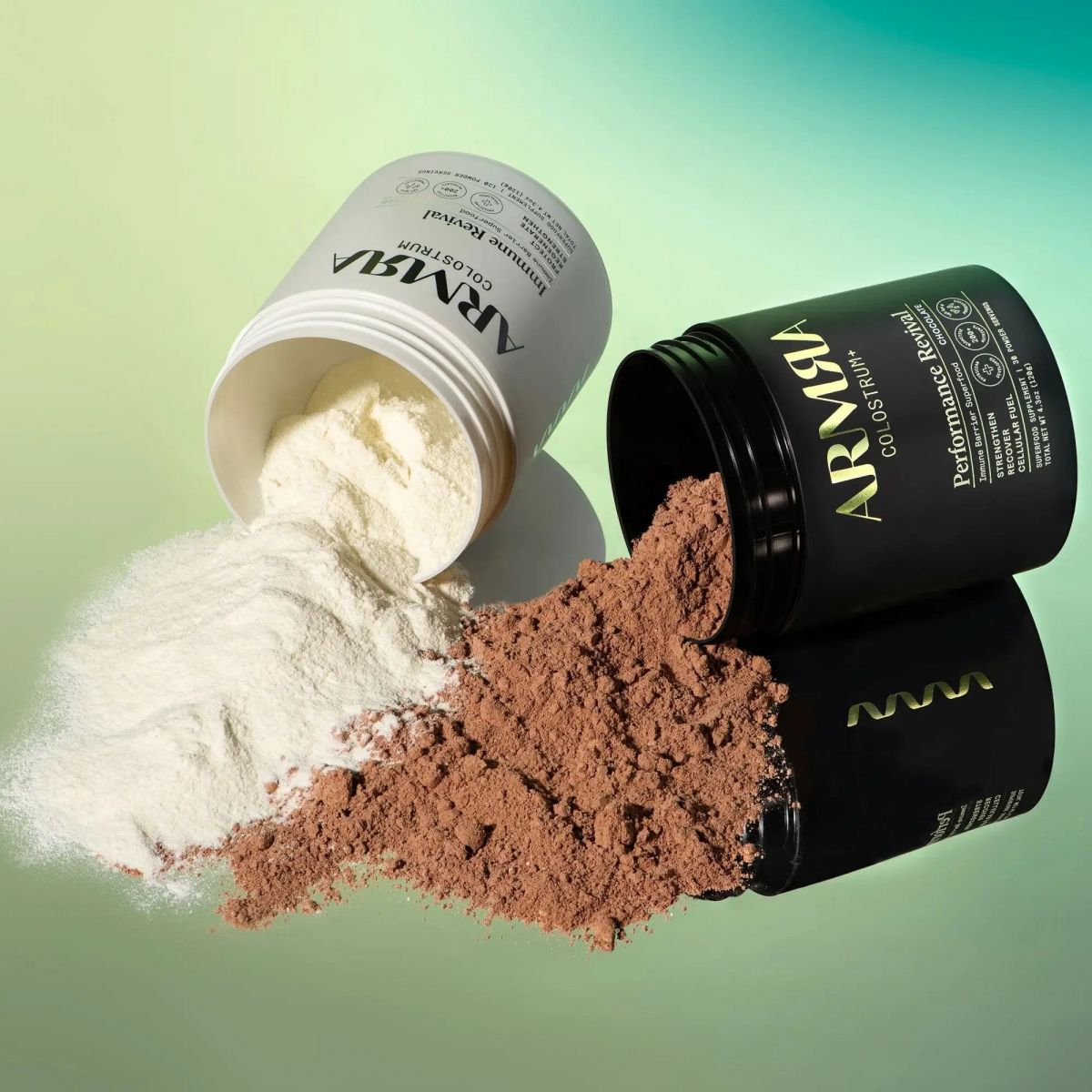
ARMRA Colostrum™ Foundational Support
- Designed to provide foundational nutritional support for overall bodily wellness and daily vitality
- Helps fortify the body's natural mucosal barriers against everyday environmental stressors
- Responsibly sourced and manufactured to optimize nutrient absorption without synthetic additives
For those wondering can diet help manage herpes outbreaks, early research suggests that balancing specific amino acids meaningfully influences localized skin resilience. Individuals often find that prioritizing lysine dense foods while minimizing heavy arginine loads creates a less hospitable environment for viral activity.
Key Takeaways
- Increasing your daily intake of lysine rich proteins often helps balance competing cellular resources.
- Limiting foods with heavy arginine concentrations may reduce the building blocks required for viral activation.
- Consistent dietary zinc consumption supports normal immune surveillance across soft tissues.
Understanding The Amino-Acid Battleground
Certain proteins contain specific amino acids that compete directly within your cellular pathways. The virus relies on an amino acid called arginine to fuel its active replication phase. Conversely the amino acid lysine competes for the exact same absorption channels in your body.
Some research suggests that maintaining a higher presence of lysine over arginine limits the resources available for viral emergence. You do not have to banish arginine entirely from your life. The goal centers on shifting the overall balance whenever you plan your daily meals.
- Dairy products provide rich and accessible lysine stores.
- Poultry and fish deliver solid protein alongside favorable amino ratios.
- Legumes and beans offer plant based lysine options for varied diets.
A Plate-By-Plate Nutritional Demonstration
Let us look at a standard afternoon snack and adjust it for a more favorable amino acid environment. A common choice might be a large handful of walnuts paired with a chocolate square. Both walnuts and chocolate represent potent sources of arginine which tips your daily scale in an unhelpful direction.
We can alter this nutritional environment without sacrificing satisfaction or convenience. Swap the walnuts for a small serving of cottage cheese. Replace the chocolate square with fresh sliced peaches or melon.
This simple substitution removes a heavy arginine load and replaces it with a strong lysine foundation. The cottage cheese delivers favorable amino profiles while the fruit provides necessary hydration. You can apply this exact analytical method to any meal you prepare.
| Nutritional Swap Strategy | Favorable Food Choice | Unfavorable Food Choice |
|---|---|---|
| Afternoon snack substitution. | Cottage cheese delivers solid lysine. | Walnuts provide heavy arginine loads. |
| Sweet craving adjustment. | Fresh fruit hydrates localized tissues. | Chocolate squares skew amino ratios. |
| Morning breakfast base. | Plain yogurt supports tissue defense. | Almonds introduce unwanted arginine levels. |
The Role Of Vitamin-C In Skin-Barrier Integrity
Your skin serves as the primary physical boundary against viral surface emergence. Maintaining this delicate tissue requires a steady supply of structural proteins like collagen. Vitamin C acts as a mandatory cofactor in your natural collagen production process.
Without adequate dietary vitamin C your skin barrier can become thin or easily compromised by environmental stress. According to the federal nutrition guidelines this essential nutrient must be consumed regularly because your body cannot store it. Citrus fruits and bell peppers offer excellent natural sources for your daily rotation.
I recommend incorporating a serving of vitamin C rich produce with every major meal. Strawberries and broccoli provide versatile options that fit into almost any recipe. Consistent dietary intake ensures your physical tissue resilience remains robust year round.
Sourcing Dietary Zinc For Cellular Defense
Zinc operates as a fundamental mineral for maintaining alert and responsive cellular defense mechanisms. This trace mineral helps regulate how your white blood cells respond to localized threats along nerve pathways. A deficiency in zinc often correlates with sluggish immune response times.
The national health databases confirm that zinc supports normal immune function across diverse populations. Oysters contain some of the highest natural concentrations available in any single food source. For plant based eaters pumpkin seeds and lentils offer reliable alternatives.
Your body absorbs dietary zinc best when paired with healthy protein sources. Combining a zinc rich food with a solid protein ensures optimal cellular uptake. This synergy highlights the importance of eating whole meals rather than isolated components.
How Refined Sugars Impact Immune-Response Times
Frequent consumption of refined sugar can momentarily suppress the efficiency of your internal defense networks. When you ingest large amounts of simple carbohydrates your blood sugar spikes rapidly. This metabolic spike temporarily impairs the ability of specialized cells to navigate your tissues.
I often advise clients to monitor their intake of sweetened beverages and packaged desserts during vulnerable seasons. A sluggish immune response provides a wider window of opportunity for dormant viruses to become active. Replacing sugary snacks with complex carbohydrates keeps your internal environment stable.
Opt for whole grains or starchy vegetables to satisfy energy cravings safely. These complex options digest slowly and prevent disruptive metabolic swings. Maintaining a steady internal balance correlates with more consistent tissue defense.
The Importance Of Water-Rich Foods For Hydration
Adequate hydration dictates how efficiently nutrients travel to your skin cells and how quickly waste departs. While drinking water remains crucial you also absorb significant moisture through your daily diet. Water rich produce provides hydration bound with essential vitamins and minerals.
Cucumbers and celery consist almost entirely of water and offer refreshing crunch to daily salads. Consuming these foods supports optimal skin elasticity and prevents localized dryness. Dry or cracked skin creates microscopic vulnerabilities where flare ups often originate.
Adding a generous portion of hydrating vegetables to your dinner plate supports your overnight repair cycles. This dietary moisture reaches the deeper layers of your skin tissue. Well hydrated skin naturally resists friction and minor environmental damage better than dry tissue.
Modern grocery aisles are filled with heavily processed items that contain hidden inflammatory agents. Artificial preservatives and industrial seed oils can irritate the delicate lining of your digestive tract over time. Chronic internal irritation demands constant attention from your immune resources.
When your cellular defenses are preoccupied with gut inflammation they become less available for peripheral immune surveillance. Early studies indicate that diets heavy in ultra processed foods often correlate with increased localized sensitivities. Preparing meals from whole ingredients reduces this unnecessary internal burden.
- Industrial seed oils demand extensive cellular resources to process.
- Artificial food dyes often introduce unrecognized compounds into your bloodstream.
- Heavy refined sodium can draw necessary moisture away from your skin cells.
Incorporating Omega-Three Fatty Acids For Calm Tissues
Certain dietary fats actively encourage a calm internal state while others promote systemic agitation. Omega three fatty acids possess documented properties that help soothe irritated tissues throughout the body. Establishing a calm physical baseline is a core tenet of long term viral management.
The established federal literature indicates these specific fats play a structural role in maintaining healthy cell membranes. Wild caught salmon and sardines deliver abundant and easily absorbed forms of this essential nutrient. Incorporating these fish into your weekly dinner rotation supports tissue calmness naturally.
If you prefer plant based options chia seeds and flax meal provide alternative sources of beneficial fats. You can sprinkle these seeds over morning oats or blend them into fruit smoothies. Consistent dietary fat balance helps prevent tissues from overreacting to minor localized stressors.
Balancing Heavy-Acid Foods During Vulnerable Periods
Some individuals notice that consuming foods with heavy acid profiles can irritate the sensitive mucous membranes around the mouth. Citrus juices and vinegar based dressings provide great flavor but carry a low pH profile. When your skin feels sensitive these acidic items might cause unnecessary localized friction.
I find that diluting acidic juices or swapping them for gentler options during vulnerable windows makes a noticeable difference. You can obtain necessary vitamins from non acidic sources like spinach or sweet potatoes. This temporary dietary pivot protects your skin while it actively repairs itself.
Returning to acidic foods is fine once your localized tissues feel robust and stable again. Listening to your physical comfort cues guides these short term nutritional adjustments. Your diet should remain flexible and responsive to your daily physical reality.
Frequently Asked Questions
Are there specific trigger foods to avoid entirely?
You rarely need to eliminate entire food groups unless you have a true allergy. Managing your intake of high arginine items like certain nuts and chocolate usually provides enough balance. Moderation and thoughtful food pairing offer a more sustainable path than strict restriction.
Does caffeine consumption impact viral dormancy?
Moderate caffeine intake generally does not disrupt your cellular defenses for most individuals. However excessive coffee consumption can elevate stress hormones and disrupt normal sleep architecture. Keeping your daily coffee intake moderate helps preserve your overall nervous system stability.
Can hydration influence skin health?
Consistent water intake directly supports the physical integrity of your external tissues. Well hydrated skin resists cracking and environmental damage much more effectively than dry skin. Consuming water rich produce alongside regular fluids builds a robust localized barrier.
The Bottom Line
When readers ask can diet help manage herpes outbreaks the answer lies in consistent daily nutritional choices. By prioritizing lysine dense proteins and minimizing heavy arginine loads you create an internal environment geared toward stability. Incorporating whole foods rich in zinc and vitamin C further fortifies your localized cellular defenses against everyday environmental stressors.
Nutrition serves as a powerful foundational tool that you control with every trip to the grocery store. Recognizing how specific food categories influence your internal balance removes the frustration of feeling physically unpredictable. The goal remains long term dietary sustainability rather than adopting rigid or restrictive eating patterns.
If you want to support your physical resilience start by tracking your amino acid ratio for one week.
This educational information is not intended for pregnant women or individuals managing complex immune disorders. Consult a licensed healthcare provider before starting any new wellness routine. Never stop or change any medication without consulting the provider who recommended it.
Get Your FREE Natural Health Guide!
Subscribe now and receive our exclusive ebook packed with natural health tips, practical wellness advice, and easy lifestyle changes, delivered straight to your inbox.