Walking Your Way to a Healthier Heart in Your Golden Years
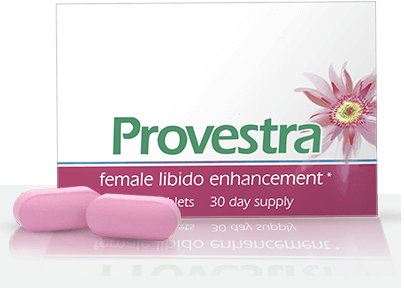
Provestra™ Women's Vitality Formula
- 100% herbal daily formula designed to support foundational female health and natural intimate wellness
- Provides botanical support for physical comfort, natural moisture, and emotional balance
- Doctor-approved capsule manufactured in a cGMP-compliant facility without synthetic hormones
Most of us worry about the subtle decline in vitality that seems to accompany the passing decades. We look for ways to maintain our internal engine without relying on harsh movements or complex gym memberships. This simple, rhythmic motion offers a pathway to long-term cardiovascular resilience that feels natural and sustainable for everyone.
Research suggests that steady, low-impact activity provides significant support for circulatory health as we age. By incorporating walking for aging heart routines into your daily schedule, you create a baseline for wellness that protects your physical autonomy. Consistency remains the most valuable variable in this equation.
Walking for aging heart health involves a consistent, moderate-paced daily habit that improves blood flow, lowers resting pressure, and strengthens the cardiac muscle over time. It functions as a foundational movement practice that sustains functional independence and lowers the risk of sedentary-related illness in older adults.
Key Takeaways
- Studies show that even 150 minutes of weekly movement reduces cardiovascular mortality risk by approximately 20 percent.
- Consistent daily steps help maintain a resting heart rate between 60 and 80 beats per minute for most adults.
- Regular rhythmic movement helps lower systemic blood pressure levels by an average of 5 to 10 points for those with mild elevation.
Cardiovascular Benefits And Physiological Efficiency
The human circulatory system responds quite favorably to the predictable, repetitive nature of a brisk stroll. When you move your legs, your muscles pump blood back toward the center of your body more efficiently. This reduces the workload on the cardiac pump and encourages healthy vascular tone.
Scientific data from researchers confirms that moderate activity supports arterial flexibility. When arteries remain pliable, they expand and contract with ease during every beat. This reduces the mechanical stress placed on the walls of your vessels.
You do not need to push to exhaustion to see these results. Moderate intensity, where you can still carry on a light conversation, is the sweet spot for most individuals. This level of exertion provides sufficient demand on the system while allowing for quick recovery.
Optimizing Gait And Posture Mechanics
Your movement pattern determines how much stress your joints and heart experience during a session. Aiming for a tall, upright posture opens your chest and allows for deeper, more effective breathing. Better oxygen intake leads to improved delivery of fuel to your tissues.
Small adjustments to your stride can make a difference in your overall endurance. Focus on landing softly on your heel and rolling through to your toe with every step. This motion engages the calf muscles, which act as secondary pumps for your venous return.
Using supportive, well-fitted footwear is a non-negotiable aspect of this habit. Proper cushioning absorbs the impact that would otherwise travel through your knees and hips. When you feel comfortable, your brain naturally signals your body to maintain a faster, more consistent pace.
Calculating Your Target Intensity Thresholds
Determining the right level of effort helps you stay safe while maximizing the benefit. A common method to track your output is the reserve heart rate calculation. You should generally aim to stay within 50 to 70 percent of your maximum capacity for daily sessions.
| Metric | Moderate Intensity | Vigorous Intensity |
| Heart Rate | 50 to 70 Percent | 70 to 85 Percent |
| Talk Test | Speech Possible | Hard Breathing |
| Perceived Effort | Comfortable Flow | High Demand |
To find your maximum capacity, subtract your age from 220. If you are 70 years old, your theoretical maximum is 150 beats per minute. A moderate session would then keep your rate between 75 and 105 beats per minute.
Using a wearable device makes monitoring this data simple during your walk. If you prefer a manual approach, check your pulse for 15 seconds and multiply by four. Always adjust your pace if you feel lightheaded or excessively breathless.
Nutritional Support For Circulatory Vitality
What you consume influences how your blood vessels react to movement. Focus on whole foods that support the integrity of your endothelium, the inner lining of your veins and arteries. Brightly colored produce contains compounds that fight oxidative damage.
Recent investigations at university centers highlight the role of leafy greens in maintaining healthy nitrogen oxide levels. Nitrogen oxide helps vessels stay dilated and promotes smooth flow throughout the system. Adding spinach, kale, or arugula to your lunch provides these building blocks.
Hydration also plays a critical role in fluid volume and blood thickness. Drink water throughout the day, rather than waiting until you are thirsty. Proper fluid balance ensures that your blood travels through your system without requiring excess effort from your heart.
Environmental Considerations And Surface Selection
Choosing the right surface for your daily movement impacts your comfort and joint health. Soft, flat paths like those found in local parks are better than concrete sidewalks. These materials offer more give and reduce the jarring feedback that travels up your legs.
Be mindful of temperature and humidity during your sessions. Extremes in weather can create extra load on your cardiovascular system as your body works to regulate its core temperature. Aim for morning or late afternoon hours during the summer months.
Some individuals prefer using trekking poles to improve balance and engage the upper body. These tools distribute your weight more evenly and reduce the pressure on your lower joints. If you feel unsteady, they offer a sense of security that promotes longer sessions.
Long-Term Consistency And Habit Stacking
The most successful wellness routines are those that fit seamlessly into your existing day. Consider linking your movement to a specific anchor, like the morning news or a post-meal walk. This builds the action into your identity rather than viewing it as a chore.
Track your progress using a simple calendar or a digital log. Watching your total distance increase over time provides a psychological reward that encourages future movement. Celebrate the small wins, like choosing the stairs instead of the elevator.
Peer-reviewed information from government sources indicates that social walking can also improve mood and mental outlook. Bringing a friend or a partner along makes the time pass more quickly. It also provides an extra layer of safety when exploring new routes.
Frequently Asked Questions
Can I divide my daily movement into smaller sessions?
Splitting your movement into three 10-minute sessions provides similar benefits to one continuous 30-minute block. The total daily volume matters more than the duration of a single event for overall cardiac health.
Focus on maintaining a consistent pace regardless of the session length. Many find that short, frequent bouts are easier to fit into a busy day without causing fatigue.
What if I experience knee pain while walking?
Persistent pain usually indicates a need for footwear assessment or a change in terrain. Always prioritize surfaces with more natural give and ensure your shoes provide adequate arch support.
If discomfort remains, switch to non-weight-bearing activities like swimming or cycling for a few days. Consult a professional to rule out any underlying joint issues before resuming your routine.
How long does it take to notice internal changes?
Most individuals report feeling improved energy levels within the first two weeks of consistent movement. Internal markers, like resting blood pressure, often show measurable improvement after six to eight weeks of steady practice.
Consistency is the primary driver of these improvements. Your body adapts to the increased demand by strengthening the cardiac muscle and improving vascular efficiency over time.
Should I monitor my intensity with a device?
Using a heart rate monitor offers helpful feedback but is not strictly necessary for success. The talk test provides a reliable way to gauge your intensity without needing technology.
If you can hold a conversation but cannot sing, you are likely in the moderate intensity range. This level is ideal for long-term health maintenance without overtaxing your system.
Does the time of day change the benefits?
Walking after a meal can assist with blood sugar management and digestion. Morning sessions often set a positive tone for the day and ensure the task is completed early.
The most important factor is finding a time that you can realistically repeat every day. Consistency outweighs any minor physiological differences related to the time of day.
The Bottom Line
Walking remains a top-tier approach to protecting your heart as you age. It requires minimal equipment and provides measurable, long-term health gains for those who stay consistent.
Assess your current baseline today and add just five minutes to your existing daily routine. Never stop or change any medication without consulting the provider who recommended it. Consult a licensed healthcare provider before starting any new wellness routine.
This information is for educational purposes only and should not replace professional medical advice. Individuals with pre-existing heart conditions should always seek guidance from a qualified provider. Consult a licensed healthcare provider before starting any new wellness routine.
Get Your FREE Natural Health Guide!
Subscribe now and receive our exclusive ebook packed with natural health tips, practical wellness advice, and easy lifestyle changes, delivered straight to your inbox.