Most of us grapple with the silent frustration of sluggish digestion or that heavy feeling after a midday meal. We search for ways to support our internal systems without relying on harsh additions that disrupt our daily flow. My focus stays on whole plant compounds that offer natural support for the gut microbiome and bowel regularity.
I find that many people overlook the humble leaves of the drumstick tree when they scan their pantry for sources of roughage. This green superfood carries a specific profile of indigestible plant parts that feed our internal bacteria. Understanding why Moringa Nutritional Fiber Content Matters for Gut Health helps clarify why this ancient botanical remains a staple in global wellness traditions.
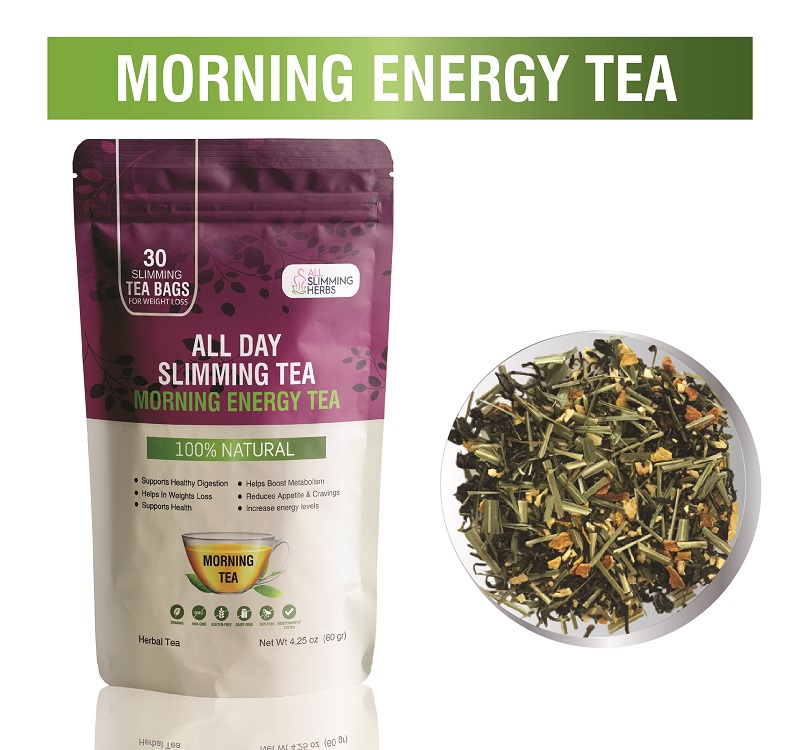
All Day Slimming Tea™ Herbal Routine
- Designed to gently support your body's natural metabolic rhythm throughout the day
- Helps maintain consistent daily vitality and steady physical balance
- Manufactured in a cGMP-compliant facility without relying on heavy coffee or synthetic stimulants
Moringa nutritional fiber content serves as a fuel source for beneficial bacteria in the colon while promoting smooth digestive transit. These plant fibers add bulk to stool and support the maintenance of a healthy lining within the intestinal tract. It provides a natural way to foster regularity and support long term metabolic wellness.
Key Takeaways
- Moringa oleifera leaves contain approximately 2 to 3 grams of dietary roughage per 10 grams of dried powder.
- The insoluble portion of these fibers helps reduce transit time by physically stimulating the muscles of the intestinal wall.
- Regular consumption of plant based roughage is associated with a lower risk of common gastrointestinal discomforts according to research from the National Institutes of Health.
Understanding The Moringa Nutritional Fiber Content Of Green Leaves
The botanical structure of the drumstick tree leaf is unique in how it packages various nutrients alongside structural carbohydrates. When we talk about these plant parts, we refer to the structural components that human enzymes cannot break down. These elements pass through the upper gastrointestinal tract intact.
Once they reach the large intestine, these compounds undergo fermentation by our internal flora. This process generates short chain fatty acids which nourish the cells lining the gut. A steady intake of these components helps maintain an environment where beneficial bacteria can flourish.
You can see how this specific profile compares to other common green powders often found in modern wellness routines. The table below highlights why the composition of this leaf powder is worth noting for your pantry.
| Green Source | Fiber Density | Primary Benefit |
| Moringa Leaf | High Density | Microbiome Support |
| Wheat Grass | Moderate Density | Enzyme Activity |
| Kale Powder | Low Density | Vitamin Concentration |
Building A Daily Strategy With Plant Based Roughage
Incorporating more fibrous greens into your routine does not require complex meal planning or expensive add ons. I often suggest starting with small portions to allow the digestive system time to adjust. Most people find that a teaspoon of dried leaf powder added to a morning smoothie is enough to start.
Consistent intake is better than large, irregular servings when it comes to digestive comfort. By keeping the amount stable, you provide a reliable food source for your gut flora. This regularity is key to maintaining a balanced internal ecosystem over the long term.
Reliable data from the Centers for Disease Control and Prevention indicates that most adults fail to consume enough plant based bulk. Moringa powder can help bridge this gap alongside fresh vegetables and whole grains. You can mix it into soups, yogurt, or salad dressings without altering the flavor profile too much.
The Mechanism Of Bulk And Regularity
Insoluble fibers function like a gentle broom within the intestinal tract. They do not dissolve in water, which allows them to pull moisture into the stool. This action increases stool volume and keeps things moving along the digestive path at a healthy pace.
Soluble components act differently by creating a gel like substance in the presence of liquid. This gel slows down the absorption of sugars and helps you feel full for a longer duration. The combination of these two types found in green leaves creates a comprehensive effect for gut health.
1. Structural Integrity: These fibers provide the scaffolding that keeps the stool moving steadily. This reduces the time waste spends in the system.
2. Muscle Stimulation: Physical presence of these compounds triggers the natural rhythmic contractions known as peristalsis. This keeps the digestive tract active throughout the day.
3. Microbiome Feeding: These fibers act as a prebiotic substrate for the beneficial bacteria living in the distal colon. A healthy bacterial population is essential for local immune support.
Addressing Potential Barriers To Consumption
Some people worry about the taste or texture when they first introduce green powders to their diet. Because the leaf is dried and finely milled, it blends easily into liquids. It adds an earthy note that works well with citrus or fruit based recipes.
Another concern involves how the system reacts to sudden increases in roughage intake. I advise my readers to drink plenty of water alongside any increase in fiber consumption. Proper hydration ensures that the fiber moves smoothly through your system as intended.
If you have a sensitive stomach, start with half a teaspoon and increase the dose slowly over several weeks. Listening to your own body remains the most accurate way to gauge your tolerance. Never force a routine that causes discomfort or changes your normal physical habits.
How To Calculate Your Daily Fiber Intake Needs
Calculating your baseline needs is a logical first step for anyone interested in digestive health. Most experts suggest a target that varies based on total calorie intake and personal health goals. I suggest aiming for the standard baseline of 25 to 30 grams per day for most adults.
To calculate your current intake, keep a brief food log for three days. Multiply the grams of fiber in each item by the number of servings you consume. Compare this number to the 25 to 30 gram goal to see where you stand.
For example, if you eat one serving of lentils at 8 grams and two cups of vegetables at 6 grams, you are already at 14 grams. Adding a serving of moringa leaf powder can easily contribute another 2 to 3 grams toward your daily goal. Consistent tracking helps you see where you need to prioritize more whole foods.
Practical Guidance For Routine Integration
Small habits lead to consistent results over the months. I prefer keeping the powder in a clear glass jar on the kitchen counter as a visual reminder. When I prepare my morning meal, it becomes a simple ritual to add a scoop.
These leafy greens offer a simple way to diversify the types of plants you ingest daily. Research suggests that a diverse range of plant foods supports a more resilient gut ecosystem. You can find more information on dietary quality through the Dietary Guidelines for Americans.
You can mix the powder into these common items for a boost of fiber:
- Morning Smoothies: Blend with frozen berries and unsweetened almond milk.
- Savory Soups: Stir into lentil or vegetable broth just before serving.
- Nut Butter Dips: Whisk into peanut or almond butter for a nutrient rich spread.
Frequently Asked Questions
Does the fiber content in these leaves change based on how it is processed?
Yes, processing methods such as heat drying or sun drying can influence the nutrient density. Gentle, low temperature drying typically preserves more of the delicate structural compounds found in the leaves.
When selecting a product, look for brands that emphasize low heat processing techniques. This ensures the fiber structure remains intact and effective for your digestive needs.
Can this type of fiber lead to bloating or gas for beginners?
Any sudden increase in dietary roughage can cause temporary changes in bowel habits or gas. The system requires time to adjust to a higher intake of these complex plant parts.
To avoid this, increase your intake gradually over the course of two to four weeks. Staying hydrated with plain water will also help mitigate any initial digestive sluggishness.
How does this compare to fiber supplements found in drugstores?
Commercial fiber supplements often isolate specific types of fiber like psyllium or methylcellulose. These work for acute situations but lack the wide array of phytonutrients found in whole leaf powders.
Choosing a whole food source provides extra antioxidants and minerals alongside the roughage. This approach supports total body wellness rather than just focusing on one specific symptom.
Is it safe to consume this on a daily basis indefinitely?
Adding moderate amounts of this plant to your diet is generally viewed as safe for the general population. It is essentially a food product rather than a medicinal intervention.
However, variety remains essential for a healthy microbiome. You should combine this green powder with various other vegetables and grains to get a complete range of nutrients.
Are there groups of people who should avoid increasing their fiber intake?
Individuals with specific digestive conditions or those recovering from recent surgery might need to limit roughage. Following a low fiber diet is often necessary for people managing acute flare ups of certain bowel disorders.
Always speak with a professional if you experience persistent pain or irregular bowel patterns. Never stop or change any medication without consulting the provider who recommended it.
The Bottom Line
Focusing on Why Moringa Nutritional Fiber Content Matters for Gut Health provides a foundation for better digestive habits. By integrating natural plant sources, you support your internal microbiome and promote consistent daily regularity.
Choose high quality, low temperature processed leaf powder to ensure you receive the full benefit of these nutrients. Start with small portions and monitor your body to find the amount that works for your unique needs. Consult a licensed healthcare provider before starting any new wellness routine.
Get Your FREE Natural Health Guide!
Subscribe now and receive our exclusive ebook packed with natural health tips, practical wellness advice, and easy lifestyle changes, delivered straight to your inbox.