Can Omega 3 Fish Oil For Dry Eyes Soothe Your Vision
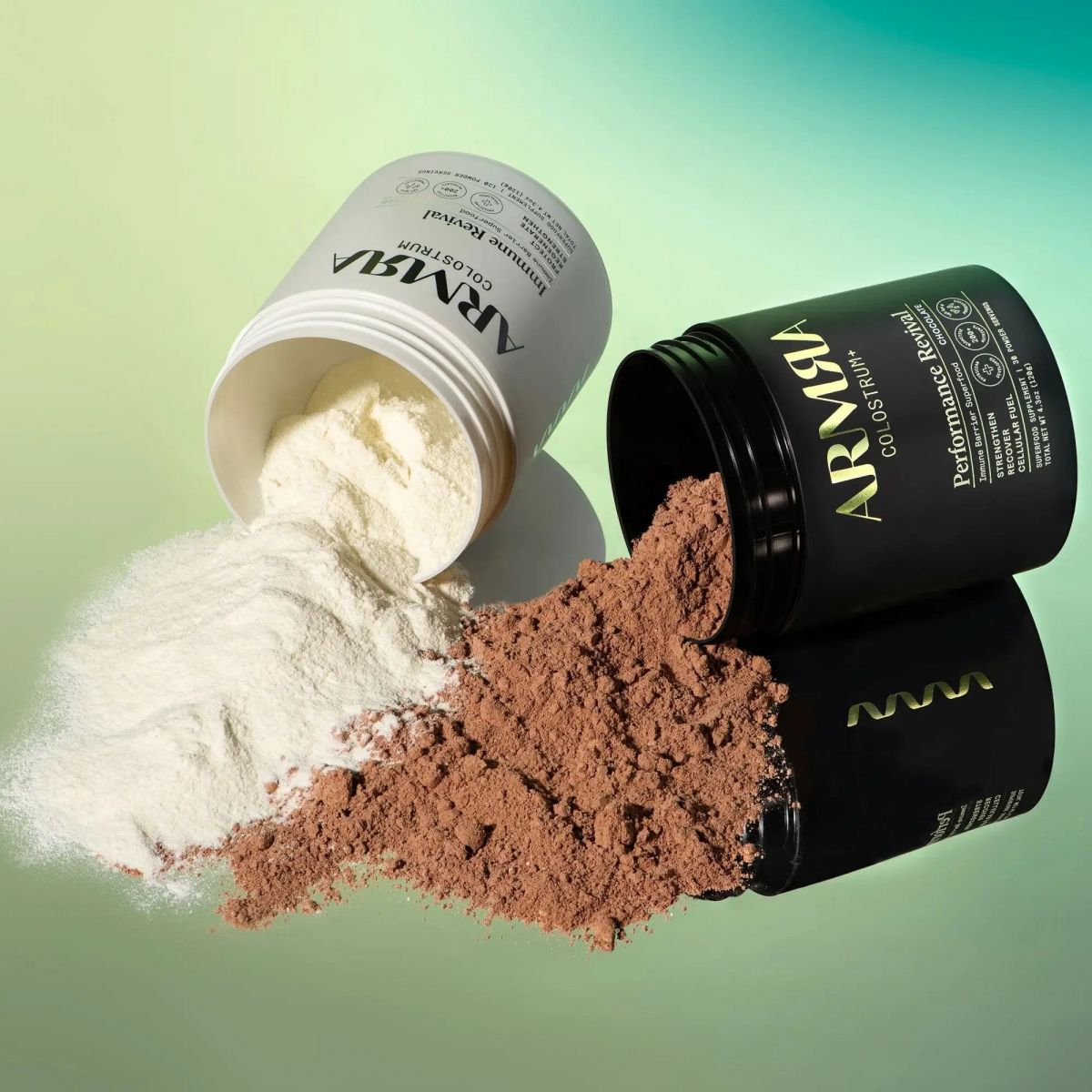
ARMRA Colostrum™ Foundational Support
- Designed to provide foundational nutritional support for overall bodily wellness and daily vitality
- Helps fortify the body's natural mucosal barriers against everyday environmental stressors
- Responsibly sourced and manufactured to optimize nutrient absorption without synthetic additives
Most of us spend our days staring at screens or working in air-conditioned environments that leave our ocular surfaces feeling parched and uncomfortable. This persistent dryness often leads to irritation and a cycle of rubbing our lids to find relief. It is a shared human struggle that impacts productivity and daily comfort.
The quest for relief brings many people to evaluate their dietary intake of essential fatty acids. Science suggests that these fats play a vital role in the structural integrity of the oil glands located within the eyelids. Ensuring proper lubrication might rely on more than just topical drops.
Omega 3 fish oil for dry eyes acts as a systemic support tool by improving the quality of the tear film. These fatty acids help the meibomian glands produce higher quality oil, which prevents tears from evaporating too quickly. Consuming these fats regularly serves as a foundation for better ocular comfort.
Key Takeaways
- Clinical studies indicate that daily supplementation of 1,000 to 2,000 milligrams of combined EPA and DHA supports tear film stability.
- The meibomian glands require specific fatty acids to maintain proper lipid secretion rates for optimal surface hydration.
- Data suggests that individuals maintaining consistent intake levels show improved comfort scores after twelve weeks of regular use.
Fatty Acid Roles In Ocular Health
The eyes rely on a delicate three-layer film to stay clear and refreshed. The outermost layer is oily, produced by glands in the lid margins to stop moisture loss. When this oil layer is thin or poor in quality, the watery component underneath evaporates far too fast.
Research published by the National Eye Institute notes that systemic factors significantly influence surface integrity. Fatty acids like eicosapentaenoic acid and docosahexaenoic acid appear to modulate the chemical makeup of these secretions. They provide the necessary raw materials for the body to build a stronger barrier.
Proper dietary balance is necessary for these benefits to manifest. Many modern diets lean heavily on fats that promote a pro-inflammatory state. Shifting that ratio by increasing intake of cold water marine sources can balance the environment inside the body.
Comparing Dietary Sources For Ocular Comfort
Selecting the right source of essential fats makes a difference in absorption and utilization. Marine sources provide direct forms of EPA and DHA that the body uses without requiring conversion. Plant sources often provide ALA, which the body converts at a lower efficiency rate.
| Source Type | Primary Compound | Efficiency Level |
|---|---|---|
| Cold Water Fish | EPA and DHA | High availability |
| Flax Seeds | ALA content | Requires conversion |
| Algae Extracts | DHA concentration | Direct utilization |
Evaluating Systematic Usage For Optimal Results
Consistency serves as the primary driver for progress when utilizing nutritional support. The body does not change its tissue composition overnight. Most experts suggest a three-month period to determine if the current strategy provides meaningful relief.
Monitoring environmental factors is also necessary during this period. Screen time, humidity levels, and air quality all impact how the eyes feel. Addressing these external stressors while supporting the body from within creates a balanced approach.
Evidence from the National Library of Medicine highlights the connection between dietary fats and chronic surface irritation. When the body receives adequate nutrients, it functions within its normal capacity to maintain homeostasis. Keeping a record of daily comfort levels helps individuals track their own progress over time.
Calculating Daily Fat Intake Targets
Determining the right amount of supplemental support involves simple math based on total label content. Most high-quality supplements list the sum of both major fatty acid types clearly on the back of the bottle. A standard target often falls within a specific range for wellness support.
Example Calculation:
- Check the label for the combined weight of EPA and DHA in one serving.
- If the label shows 500 milligrams of EPA and 300 milligrams of DHA, the total is 800 milligrams per serving.
- To reach a 1,600 milligram daily goal, two servings spread across the day would fulfill the requirement.
Spreading these doses helps maintain stable levels in the bloodstream. Consuming these fats with a meal containing other lipids can also improve how the body absorbs them. This simple timing adjustment ensures the digestive system handles the fats effectively.
Addressing Environmental And Lifestyle Barriers
Supplements function best when they are part of a broader strategy for eye wellness. Many people ignore the impact of low humidity in their living or working spaces. Using a humidifier helps keep the surrounding air from drawing too much moisture away from the surface.
Blink frequency is another factor that dictates how quickly the tear film degrades. During prolonged computer work, people tend to blink less often than they should. Practicing conscious, frequent blinking helps redistribute the oil layer effectively across the cornea.
Data from the National Institutes of Health indicates that hydration status also plays a significant role in overall comfort. The body needs sufficient water to produce the aqueous layer of the tear film. Combining systemic fatty acid support with adequate water intake and proper air management forms a robust plan.
Frequently Asked Questions
Does the quality of the supplement change the outcome?
The purity and oxidation status of the oil matter for effective utilization. High-quality oils are processed to remove contaminants and stored in opaque containers to prevent degradation from light and heat. Lower quality versions might go rancid, which reduces their effectiveness and might even cause digestive discomfort.
Selecting a product that carries third party certification ensures the label matches the contents. Certification bodies test for heavy metals and confirm the concentration of the essential fatty acids. This transparency gives readers confidence in the consistency of their wellness routine.
Can diet alone provide enough essential fats?
It is possible to achieve adequate levels through a diet rich in wild-caught fatty fish like salmon, sardines, and mackerel. These species provide a dense concentration of the necessary fatty acids in their natural form. Relying solely on dietary intake requires careful planning and a consistent preference for these specific foods.
Modern food logistics make it difficult for many people to secure fresh, high-quality marine sources consistently. Supplementation serves as a practical alternative for those who do not consume these foods multiple times per week. Combining both approaches offers the most flexible path toward long-term comfort.
Are there negative side effects to consider?
The most common observation related to these supplements involves minor digestive changes. Some individuals report a slight fishy aftertaste or burping when taking large doses. Taking the capsules with food or opting for enteric-coated varieties often mitigates these minor occurrences.
Very high doses might impact blood clotting markers in sensitive individuals. It is important to stay within standard wellness ranges rather than pursuing extreme amounts. Monitoring how the body responds over the first few weeks provides the best guidance for continued use.
When is the best time to take these supplements?
Taking essential fatty acids alongside a meal containing fat improves the rate of absorption in the digestive tract. The body uses the natural presence of other dietary fats to process and transport the supplemental oils. Consistency in timing, such as every morning with breakfast, also helps build a habit.
Some people prefer splitting the dose between breakfast and dinner to avoid taking too many capsules at once. This split schedule ensures the body receives a steady flow of nutrients throughout the day. Whatever timing chosen, maintaining it daily is more important than the specific hour of the day.
How long does it take to notice a difference?
Wellness changes related to tissue composition rarely happen in a few days. The body requires time to incorporate these fatty acids into the oil glands and eventually into the tear film itself. A consistent four to twelve week timeline is the standard expectation for observing changes in comfort.
Patience is a required component of any nutritional strategy for eye health. During this phase, individuals should continue their environmental adjustments like managing screen time and air quality. Observing steady progress over these months provides the most accurate view of how the support is working.
The Bottom Line
Omega 3 fish oil for dry eyes serves as a helpful tool to support the natural lipid production of the eyelids. When combined with consistent hydration and environmental adjustments, it helps stabilize the tear film and reduces feelings of irritation. Focus on quality sources and maintain a steady daily intake to get the best results.
Establish a regular habit of taking your chosen supplement with a meal to ensure proper absorption. Monitor your comfort levels over the next three months to gauge how your body responds to this addition. Consult a licensed healthcare provider before starting any new wellness routine.
Individuals currently taking blood thinners or preparing for surgery should be aware that high doses might interact with their current status. Never stop or change any medication without consulting the provider who recommended it.
Get Your FREE Natural Health Guide!
Subscribe now and receive our exclusive ebook packed with natural health tips, practical wellness advice, and easy lifestyle changes, delivered straight to your inbox.