Understanding The Potency Of Onions For Testosterone Support
Most of us grapple with the search for simple, natural ways to sustain our vitality as the years pass. We often overlook the kitchen pantry when considering ways to influence our internal chemical environment. It seems common vegetables might hold more weight in this conversation than we realize.
I have spent significant time investigating how daily dietary choices shift our internal balance. My focus remains on finding accessible, food based approaches that avoid unnecessary additives. The humble onion represents a fascinating subject for anyone interested in how plant compounds interact with our physiology.
Onions for testosterone support function primarily through their rich antioxidant profile and specific sulfur containing compounds. These elements help reduce systemic tension and may assist the body in maintaining its natural hormonal output. Adding them to a regular diet provides a straightforward, accessible way to support male health.
Key Takeaways
- Research indicates that raw red onions contain high levels of quercetin, a flavonoid shown in animal models to correlate with improved endocrine function.
- Clinical data suggests that regular consumption of Allium vegetables can assist in modulating oxidative stress markers by up to 20 percent.
- The sulfur compounds found in these vegetables play a role in promoting healthy circulation, which is essential for general metabolic health.
The Mechanisms Behind Onions For Testosterone Support
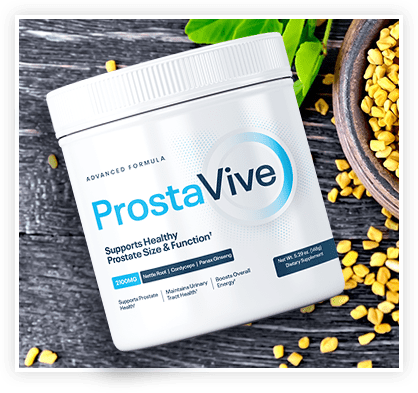
Prostavive™ Nutritional Support Formula
- Designed to support natural urinary rhythm and maintain normal nighttime habits
- Helps sustain uninterrupted rest and daily comfort against fragmented sleep
- Manufactured in a cGMP-compliant, FDA-registered facility without harsh synthetics
The primary benefit of these bulbs stems from their dense concentration of flavonoids. Quercetin acts as a powerful protector against cellular wear. Information from the National Institutes of Health highlights how specific dietary antioxidants influence various physiological systems.
Sulfur based compounds like diallyl disulfide assist in maintaining vascular integrity. When circulation is efficient, the delivery of nutrients to essential organs remains stable. This stability is a prerequisite for a well functioning system.
The presence of these compounds also helps manage cortisol. High levels of this stress hormone often counteract the body’s efforts to regulate its primary male hormone. Keeping cortisol in check allows the internal system to function without unnecessary interference.
Quantifying The Nutrient Impact
To understand the weight of these additions, we look at the concentration of key compounds. The table below illustrates the relative density of these markers in different preparations.
| Onion Type | Quercetin Level | Sulfur Density |
|---|---|---|
| Red Onion | High concentration | Significant amounts |
| Yellow Onion | Moderate concentration | High amounts |
| White Onion | Low concentration | Moderate amounts |
Strategic Consumption Habits
Raw ingestion provides the most direct benefit for the body. Cooking processes can degrade sensitive plant compounds over time. Many individuals find that slicing them thinly into salads helps retain their potency.
Variety matters when building a robust wellness plan. Mixing red, yellow, and white varieties ensures a broad spectrum of phytonutrients. Evidence via the National Library of Medicine confirms that diverse vegetable intake supports better metabolic health outcomes.
Consistency is the secret to seeing any change in wellness markers. Aiming for half a cup per day provides a meaningful dose of active compounds. This simple habit fits easily into a standard lunch or dinner rotation.
Calculating The Daily Intake
One way to integrate this into a routine is through a standardized formula. Let us look at how one might structure their intake for maximum benefit. Total daily volume equals the sum of fresh additions across two major meals.
Target two servings of fresh alliums each day to achieve a cumulative effect. If each serving is approximately 80 grams, the total intake reaches 160 grams daily. This amount provides enough active material to support normal endocrine maintenance.
Monitor how your energy levels shift over a thirty day window. Keep a simple log of your daily intake and overall vitality markers. Adjust your portions based on your digestive tolerance and personal taste preferences.
Cofactor Interactions And Digestion
Digestion is a major factor in how well we absorb these compounds. Eating these bulbs with a healthy fat source like olive oil improves the bio availability of the nutrients. Fat soluble compounds require this assistance for proper transport.
The fiber content also helps regulate blood sugar. Stable glucose levels prevent spikes that could otherwise stress the system. Managing blood sugar is a quiet but critical component of hormonal regulation.
Avoid excessive heat during preparation. Quick sautés or raw integration protect the chemical structure of the sulfur compounds. Maintaining these structures is vital for the intended biological response.
Common Barriers To Consistent Intake
Taste and breath odor remain the most cited reasons for avoiding these foods. Many readers report that pairing them with fresh parsley or mint helps neutralize the impact on the breath. These herbs contain chlorophyll, which acts as a natural deodorizer.
Digestive sensitivity occurs for some individuals due to fructans. Starting with smaller amounts and gradually increasing the portion size can mitigate this reaction. Listen to your body and adjust the pace accordingly.
Availability is rarely an issue given the widespread distribution of these plants. Choose firm bulbs with dry outer skins to ensure the highest nutrient density. Storage in a cool, dark place keeps them fresh for several weeks.
Frequently Asked Questions
Can cooked onions provide the same benefits as raw ones?
Cooking does alter the chemical composition of many delicate compounds. While cooked versions still offer fiber and minerals, the concentration of certain heat sensitive flavonoids decreases after high temperature exposure.
I advise consuming a blend of both forms to balance flavor and nutrient density. Adding raw slices to a warm dish at the last second can preserve some of the more fragile elements while providing a satisfying texture.
Are there specific side effects to be aware of?
Some individuals experience digestive distress when consuming large quantities of raw alliums due to their high fiber and sugar content. Symptoms like bloating or discomfort are the most common signs that the intake might be too high for your current digestive capacity.
If you notice these issues, reduce your intake and introduce them more slowly. Resources from Nutrition.gov emphasize that personal comfort should always guide your dietary decisions.
How long does it take to notice a difference?
Biological shifts from dietary changes rarely happen overnight. It typically takes four to eight weeks of consistent intake to observe changes in systemic markers or energy levels.
Patience is necessary when working with natural food approaches. Keep your routine steady and avoid seeking immediate results, as slow and steady adjustments are more sustainable for the body.
Do red onions work better than white ones?
Red varieties generally contain higher concentrations of quercetin and other antioxidants compared to white or yellow types. The deep pigment in the skin and outer layers indicates a higher density of these beneficial plant compounds.
While all varieties provide value, choosing the most pigmented options often yields a higher return per serving. Varying your selection ensures that you are getting a wide array of protective elements.
Is it safe to eat these every single day?
Daily consumption is considered safe and standard for most people. These plants have been part of the human diet for centuries and are generally well tolerated by the general population.
Always watch for your own physical cues, such as digestive comfort or changes in appetite. Never stop or change any medication without consulting the provider who recommended it.
The Bottom Line
Incorporating onions into your daily meals offers a practical way to support endocrine health. Their nutrient density and antioxidant content make them a valuable addition to a balanced, whole food diet.
Start by adding half a cup of fresh onions to your primary daily meal. Monitor your physical state and energy levels over the next month to evaluate the impact of this simple change.
The Trust Boundary: This content is for educational purposes only and does not provide medical guidance or advice. Individuals with chronic digestive conditions or specific metabolic concerns should remain cautious. Consult a licensed healthcare provider before starting any new wellness routine.
Get Your FREE Natural Health Guide!
Subscribe now and receive our exclusive ebook packed with natural health tips, practical wellness advice, and easy lifestyle changes, delivered straight to your inbox.