Optimizing Brain Function with Natural Cognitive Enhancers
Supporting cognitive function is a goal for many people seeking to maintain mental sharpness and clarity through various life stages. Our ability to process information, remember details, and focus effectively underpins daily life.
While lifestyle factors like diet, sleep, and physical activity are foundational, certain natural compounds offer targeted support. These botanicals and nutrients are often explored for their potential to complement a healthy regimen.
This guide explores seven powerful natural cognitive enhancers. We’ll examine their historical use and how they are thought to interact with the body, providing a comprehensive overview for those interested in supporting their mental well-being.
1. Omega-3 Fatty Acids: Essential for Neural Structure
Omega-3 fatty acids are fundamental components of cell membranes throughout the body, including nerve cells in the brain. Docosahexaenoic acid, known as DHA, is particularly abundant in brain tissue. Its presence is often associated with the structural integrity and fluidity of neural membranes.
Eicosapentaenoic acid, or EPA, is another crucial omega-3 fatty acid. It is frequently discussed in relation to systemic wellness and its generalized supportive actions within the body. Both EPA and DHA are vital nutrients that the body cannot produce efficiently on its own.
Consuming adequate omega-3s is a common recommendation for general health. These essential fats are obtained through dietary sources, primarily fatty fish. They represent a cornerstone of nutritional support for comprehensive well-being.
Key Data Points for Omega-3s
- Active Compounds: Docosahexaenoic Acid (DHA), Eicosapentaenoic Acid (EPA)
- Best Used For: General brain wellness, cellular membrane support, maintaining overall cognitive health.
- Mechanism of Action: Integral to the structure and function of brain cell membranes, supporting neural communication.
Dietary Incorporation
Consider including cold water fatty fish like salmon, mackerel, and sardines in your diet several times a week. The National Institutes of Health provides detailed information on these essential fats. Plant based sources such as flaxseeds, chia seeds, and walnuts also offer alpha-linolenic acid (ALA), which the body can convert to EPA and DHA, albeit with varying efficiency.
2. Curcumin: The Golden Spice for Wellness
Curcumin is the primary active compound found in the spice turmeric, revered for centuries in Ayurvedic and traditional Chinese practices. This vibrant yellow polyphenol is often recognized for its broad supportive properties across various bodily systems. Its use dates back thousands of years as a staple in traditional wellness approaches.
The bioavailability of curcumin can be a consideration. It is often consumed with black pepper extract, which contains piperine, to enhance absorption. Formulations utilizing advanced delivery systems are also widely explored to improve its uptake within the body.
Curcumin is generally acknowledged for its role in supporting healthy cellular processes. This widespread cellular support contributes to overall vitality and is a key reason for its popularity. People explore curcumin for its potential to help maintain general physiological balance.
Key Data Points for Curcumin
- Active Compound: Curcuminoids (primarily curcumin, demethoxycurcumin, bisdemethoxycurcumin)
- Best Used For: Supporting general cellular wellness, maintaining healthy physiological responses, promoting overall vitality.
- Mechanism of Action: Supports various cellular signaling pathways, contributing to overall physiological balance.
Daily Integration Method
Incorporate turmeric into your cooking or explore high quality curcumin extracts. When using extracts, people often look for formulations standardized to contain a certain percentage of curcuminoids, sometimes combined with piperine for enhanced absorption.
3. Bacopa Monnieri: Traditional Herb for Mental Clarity
Bacopa monnieri is a creeping herb native to wetlands in India, Australia, and parts of Asia. It has a rich history of use in Ayurvedic tradition, where it is known as “Brahmi.” This botanical is traditionally valued for its perceived support for mental performance and memory. Its long history of traditional use highlights its cultural significance.
The beneficial compounds in Bacopa are called bacosides. These unique compounds are often discussed in relation to their ability to support neural pathways. Many people explore Bacopa to help maintain their cognitive abilities as they age, seeking to preserve mental sharpness.
Bacopa monnieri is also classified as an adaptogen. Adaptogens are botanicals that are generally understood to help the body maintain balance during periods of mental or physical demand. This adaptogenic quality contributes to its appeal as a comprehensive cognitive support.
Key Data Points for Bacopa Monnieri
- Active Compounds: Bacosides
- Best Used For: Supporting mental clarity, maintaining healthy memory recall, general cognitive wellness, adaptogenic support.
- Mechanism of Action: Traditionally recognized for supporting neural communication and healthy stress response mechanisms.
Recommended Protocol
Bacopa is often available as a standardized extract. Many people find it beneficial to explore it consistently over several weeks to observe its supportive effects. Consulting a qualified health professional can help determine the best approach for individual needs.
4. Ginkgo Biloba: The Ancient Tree for Acuity
Ginkgo biloba is one of the oldest living tree species, with individual trees sometimes living for thousands of years. Its fan-shaped leaves have been utilized in traditional Chinese practices for centuries. People often discuss Ginkgo for its potential to support healthy circulation, particularly to the brain.
The active compounds in Ginkgo biloba extracts are primarily flavonoids and terpenoids. These compounds are believed to contribute to the herb’s supportive effects. When sourced responsibly, Ginkgo extracts are often standardized to contain specific concentrations of these compounds.
Many individuals explore Ginkgo to support mental sharpness and general cognitive function. It is a popular botanical choice for those interested in maintaining overall brain health. Its long standing use reflects its perceived value in supporting mental processes.
Key Data Points for Ginkgo Biloba
- Active Compounds: Flavonoid glycosides, Terpene lactones (ginkgolides, bilobalide)
- Best Used For: Supporting healthy circulation, maintaining mental acuity, general cognitive support.
- Mechanism of Action: Known for supporting blood flow and providing antioxidant benefits, contributing to neural wellness.
Usage Instructions
Ginkgo is commonly found in standardized extract forms. People exploring Ginkgo often select products that specify the concentration of its active compounds. Consistency is often key when incorporating botanical supports into a wellness routine.
Comparative Overview of Natural Enhancers
Understanding the primary focus of different natural enhancers can help tailor your approach to cognitive wellness. Each compound offers a distinct profile of support for various aspects of brain health.
Some enhancers are foundational, supporting basic cellular structures. Others provide more targeted support for specific cognitive functions or help the body adapt to demands. This table outlines key characteristics to consider when exploring these options.
| Natural Enhancer | Primary Area of Support | Traditional Origin | Key Compound Group |
|---|---|---|---|
| Omega-3 Fatty Acids | Cellular membrane integrity | Various dietary sources | EPA, DHA |
| Curcumin | General cellular wellness | Ayurvedic tradition (turmeric) | Curcuminoids |
| Bacopa Monnieri | Mental clarity and recall | Ayurvedic tradition | Bacosides |
| Ginkgo Biloba | Circulatory wellness and mental acuity | Traditional Chinese Medicine | Flavonoids, Terpenoids |
5. Lion’s Mane Mushroom: A Unique Fungal Ally
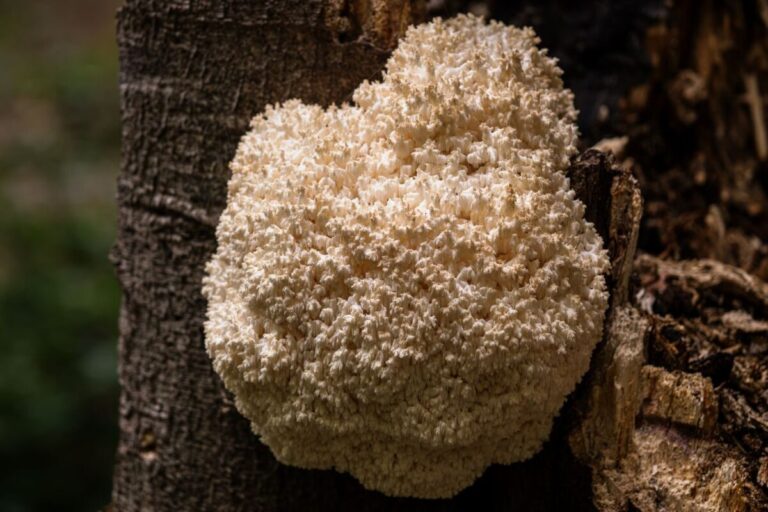
Lion’s Mane mushroom, scientifically known as Hericium erinaceus, is a distinctive edible fungus. It resembles a cascading white waterfall of spines. Historically, it has been a cherished ingredient in traditional East Asian cuisine and medicine, valued for its unique properties.
This mushroom contains specific bioactive compounds such as hericenones and erinacines. These compounds are frequently discussed in the context of supporting general neurological health. People often explore Lion’s Mane for its potential role in maintaining overall neural well-being.
Many individuals integrate Lion’s Mane into their daily regimen to support mental focus and clarity. It is available in various forms, including powdered extracts and capsules. Its growing popularity reflects a broader interest in fungi for wellness.
Key Data Points for Lion’s Mane Mushroom
- Active Compounds: Hericenones, Erinacines
- Best Used For: Supporting overall neural health, maintaining mental focus, general cognitive wellness.
- Mechanism of Action: Contains unique compounds that are often explored in relation to nerve support and cellular communication.
Incorporation Guidelines
Lion’s Mane can be consumed as a food, often sautéed or added to soups. Many also choose standardized extracts or powders. Consistency in use is often suggested to allow the body to integrate its supportive properties effectively.
6. Rhodiola Rosea: The Adaptogenic Root
Rhodiola rosea is a hardy perennial plant that thrives in the cold, harsh climates of Arctic regions and high mountains. Its root has been used for centuries in traditional European and Asian wellness practices. It is widely recognized as an adaptogen, helping the body manage various demands.
The primary active compounds in Rhodiola are rosavins and salidroside. These compounds are believed to contribute to its adaptogenic effects, supporting the body’s natural resilience. People often explore Rhodiola to help maintain mental performance during periods of increased mental exertion.
This botanical is a common choice for those seeking to support their mental endurance and overall well-being. Its ability to help the body adapt to various stressors makes it a valuable addition to a comprehensive wellness plan. Rhodiola’s historical use underscores its perceived benefits.
Key Data Points for Rhodiola Rosea
- Active Compounds: Rosavins, Salidroside
- Best Used For: Adaptogenic support, maintaining mental endurance, supporting healthy stress responses, general vitality.
- Mechanism of Action: Supports the body’s ability to maintain balance under various forms of demand, contributing to mental resilience.
Integrating into a Routine
Rhodiola is typically consumed as a standardized extract. People often look for products specifying the content of rosavins and salidroside. Discussing its inclusion with a healthcare professional can help tailor its use to individual wellness goals.
7. Creatine: An Energy Metabolism Supporter
Creatine is a naturally occurring compound that plays a significant role in cellular energy metabolism, particularly in muscles and the brain. It is synthesized in the body from amino acids and can also be obtained through dietary sources like red meat and fish. Its fundamental role in energy production makes it a key metabolic player.
In the brain, creatine is involved in the rapid regeneration of adenosine triphosphate (ATP), the cell’s primary energy currency. This process is vital for various cognitive functions. People often explore creatine to support mental performance, especially during tasks requiring sustained cognitive effort.
While commonly associated with athletic performance, creatine’s role in brain energy dynamics makes it a compelling nutrient for cognitive support. It is generally recognized for its ability to help maintain energy availability within cells. Many individuals find it a useful complement to their wellness regimen.
Key Data Points for Creatine
- Active Compound: Creatine monohydrate (most common supplemental form)
- Best Used For: Supporting cellular energy metabolism, maintaining mental performance, aiding in cognitive tasks requiring sustained effort.
- Mechanism of Action: Facilitates the recycling of ATP, supporting energy availability for cellular processes in the brain.
Considerations for Use
Creatine monohydrate is the most widely studied and utilized form. It is generally consumed as a powder mixed with water or other beverages. People with underlying conditions often work with a qualified healthcare professional for personalized guidance regarding supplementation.
Frequently Asked Questions
This information is educational and not a substitute for medical advice.
Are these natural cognitive enhancers safe for everyone?
While many natural enhancers are generally well tolerated, individual responses can vary. Factors like existing health conditions, other medications, and individual sensitivities play a role. It is always wise to discuss the addition of any new supplement with a qualified healthcare professional, especially if you have underlying health concerns or are taking prescription medications.
How long might it take to notice any benefits from these natural enhancers?
The timeline for noticing potential benefits from natural cognitive enhancers can vary significantly. Some compounds might offer more immediate effects, while others require consistent use over several weeks or even months for their supportive properties to become apparent. This reflects the gradual nature of physiological adjustments to nutritional and botanical support.
Can I combine different natural cognitive enhancers?
Many individuals choose to explore a combination of natural enhancers as part of a comprehensive wellness strategy. However, understanding potential interactions and synergistic effects is important. Always consult with a qualified healthcare professional before combining multiple supplements to ensure suitability and safety for your individual health profile.
Do diet and lifestyle choices impact the effectiveness of these natural enhancers?
Absolutely. Natural cognitive enhancers are best viewed as complementary tools within a broader framework of healthy living. A balanced diet, regular physical activity, adequate sleep, and effective stress management form the foundation of optimal cognitive function. These lifestyle factors are paramount, and enhancers can support these efforts, but they don’t replace them.
The Bottom Line
Exploring natural cognitive enhancers can be a valuable part of a comprehensive approach to supporting mental well-being. From essential fatty acids to adaptogenic herbs and energy metabolism supporters, nature offers a diverse array of compounds that people explore for brain health.
These natural options are intended to complement a lifestyle already prioritizing good nutrition, regular movement, quality sleep, and stress management. They offer targeted support for various aspects of cognitive function, from cellular integrity to mental endurance.
A Personalized Path to Cognitive Support
Consider discussing these natural cognitive enhancers with a qualified healthcare professional. They can offer personalized guidance to tailor a plan that aligns with your individual needs and wellness goals, ensuring a thoughtful and informed approach to supporting your mental sharpness.
Get Your FREE Natural Health Guide!
Subscribe now and receive our exclusive ebook packed with natural health tips, practical wellness advice, and easy lifestyle changes, delivered straight to your inbox.