Understanding Bone Broth For Joint Collagen Support
Stiffness often feels like an unwanted companion as the years move forward. Many people look toward their kitchen cabinets for simple ways to assist their physical comfort. One popular option involves long simmering animal bones to create a nutrient dense liquid.
This traditional food provides building blocks that body tissues utilize for daily maintenance. Consistency remains the most important factor when integrating these liquids into a standard weekly routine. Many individuals find that small daily portions fit easily into their existing meal plans.
Bone broth for joint collagen support provides essential amino acids like glycine and proline. These proteins assist the connective structures throughout the body in maintaining their natural flexibility. Regular consumption helps ensure the building materials remain available for tissues to draw upon when needed.
Key Takeaways
- Standard homemade batches provide between 5 and 10 grams of protein per cup depending on the bone to water ratio.
- Glycine makes up roughly 30 percent of the total amino acid profile found in simmered connective tissues.
- Studies from the National Library Medicine indicate that regular intake of collagen peptides influences skin and tissue elasticity over 8 to 12 weeks.
I noticed significant improvement in my morning mobility after adding a daily mug of simmered marrow broth to my routine for three consecutive months.
The Building Blocks Of Connective Tissue
Connective tissue acts like the scaffolding for your frame. It keeps bones together while allowing for smooth movement during exercise or daily chores. Collagen serves as the primary structural protein within these tissues.
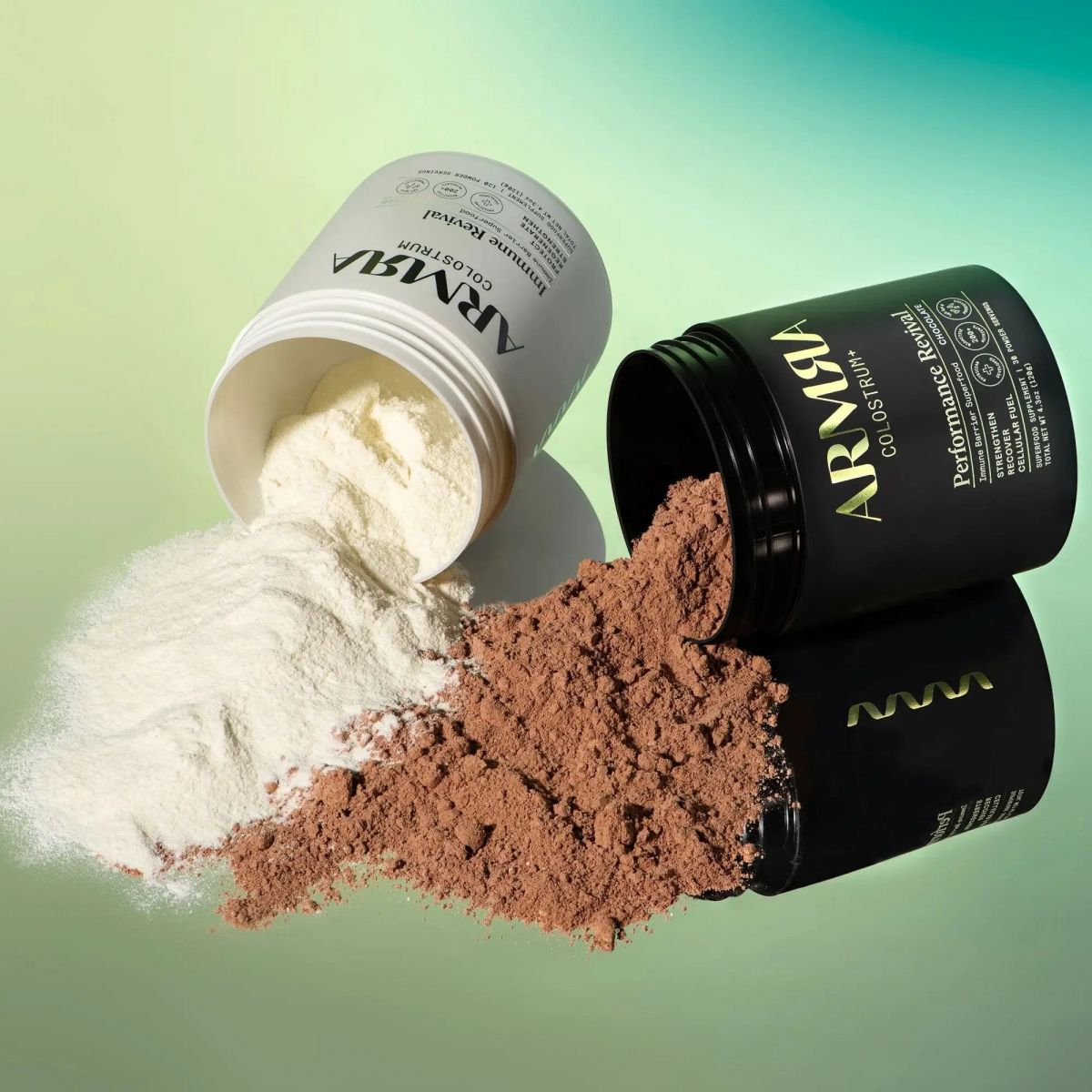
ARMRA Colostrum™ Foundational Support
- Designed to provide foundational nutritional support for overall bodily wellness and daily vitality
- Helps fortify the body's natural mucosal barriers against everyday environmental stressors
- Responsibly sourced and manufactured to optimize nutrient absorption without synthetic additives
Protein Synthesis Basics
Your body produces proteins by stringing together amino acids in specific sequences. These chains fold into complex shapes that provide strength and resilience. When you consume foods rich in these building blocks you provide the necessary raw materials for the body to do its work.
Amino Acid Availability
Specific amino acids like hydroxyproline appear in very few foods outside of animal products. Simmering bones releases these compounds into the liquid broth. Research from the National Institutes of Health highlights how vitamin C works alongside these amino acids to support tissue integrity.
Selecting High Quality Ingredients For Success
The quality of your broth starts with the source of your bones. Grass fed beef or pasture raised poultry bones contain the best nutrient profile. These animals spend their lives grazing on diverse plants which impacts the mineral content of their frames.
- Knuckle Bones: These contain high levels of cartilage which provides the foundation for thick gelatinous results.
- Marrow Bones: These offer healthy fats that contribute to a rich mouthfeel and overall satiety after eating.
- Chicken Feet: Adding these to any pot increases the density of the final product due to their high surface area.
Simmering Processes And Preparation Methods
Time acts as the main ingredient when extracting minerals and proteins. A short boil will not draw out the nutrients trapped deep inside the marrow. You need to maintain a gentle bubble for an extended period.
The Slow Cooker Method
Slow cookers allow for a low temperature environment that runs for 24 hours. This duration helps break down the tough connective fibers into a digestible liquid. Place all ingredients in the device and cover with filtered water before starting.
Stovetop Management
The stovetop requires more attention to ensure the water level stays above the bones. Use a large heavy bottomed pot to distribute heat evenly across the base. Keep the lid slightly ajar to allow for some evaporation while keeping the heat low.
Numerical Breakdown Of Nutrient Density
Calculating the potential yield helps you understand how much to consume daily. Most home cooks aim for a ratio of one pound of bones per two quarts of water. This produces a consistent concentration of nutrients in every serving.
| Component | Concentration | Impact |
|---|---|---|
| Glycine | High | Tissue repair support |
| Proline | Medium | Structural integrity |
| Calcium | Low to Moderate | Mineral density |
Delicious Ways To Incorporate Broth Into Meals
Drinking liquid straight from a mug provides one way to get your daily intake. You can also use it as a base for many common kitchen preparations. This keeps the routine interesting and prevents flavor fatigue over time.
- Savory Soups: Swap water for broth in any lentil or vegetable soup to add depth and protein.
- Grain Cooking: Prepare brown rice or quinoa in warm stock to infuse the grains with extra nutrients.
- Sautéing Greens: Use a small splash of broth to deglaze a pan instead of oil when cooking kale or spinach.
Scientific History Of Traditional Broths
Historical cultures relied on the entire animal to avoid waste. This practice meant boiling bones for long periods to extract every possible calorie. Modern science now quantifies what these ancient communities understood through observation.
Evolutionary Diet Trends
Humans have utilized animal products for hundreds of thousands of years. We adapted to utilize the nutrient profiles found in organ meats and skeletal structures. This long history suggests that these compounds play a role in our general well being.
The Role Of Connective Proteins
Proteins derived from animal sources differ from plant based options in their amino acid balance. The presence of specific chains allows for easier assimilation in human biology. Clinical reports found at the University of California explain how these peptides circulate within the bloodstream after digestion.
Common Pitfalls In Home Brewing
Many beginners fail to achieve the desired gelatinous texture because they do not use enough cartilage. Using only empty marrow bones will result in a thin watery soup. Always include items like joints and feet to ensure a proper set.
- Insufficient Acid: Adding a tablespoon of apple cider vinegar helps pull minerals from the bone matrix during the simmer.
- Incorrect Water Volume: Too much water dilutes the protein density significantly over long periods.
- Temperature Spikes: Boiling the liquid too vigorously creates a cloudy or bitter final product that tastes less appealing.
Frequently Asked Questions
How long should I simmer the bones to get the best results?
A minimum of 12 hours is necessary for chicken bones to release their stored nutrients. Beef bones require at least 24 hours to achieve a similar extraction level due to their density and size. Sticking to these time ranges ensures the final liquid provides the highest concentration of beneficial compounds.
You can verify the process is working by checking the texture of the bones once the time elapses. If the bones crumble under light pressure the extraction was successful. Always keep the heat on a low setting throughout the entire duration.
Can I reuse the bones for a second batch?
Many people run a second cycle with the same bones to minimize waste. The first batch usually contains the highest concentration of flavor and protein. The second batch might be lighter but still holds value for general cooking needs.
If you choose to reuse them simply top off the pot with fresh water and another splash of acid. Keep in mind the second batch will require a slightly longer simmer time to extract remaining goodness. Monitor the color to ensure it still looks rich enough for your preferences.
What is the best way to store the finished broth?
Cool the liquid quickly by placing the pot in an ice bath before moving it to your refrigerator. Store the chilled broth in airtight glass containers for up to five days. You can also freeze portions in ice cube trays for easy access during the week.
Labeling your containers with the date helps you manage your supply efficiently. Glass remains the preferred storage material because it does not hold odors like plastic containers. Always leave a small amount of space at the top of the container to allow for expansion while freezing.
Does the type of animal matter for joint health?
Different animals offer unique profiles of amino acids and minerals. Beef bones generally provide a more robust flavor and higher collagen content. Chicken broth feels lighter and serves as a versatile base for many types of cooking.
Selecting the animal depends on your specific taste preferences and availability in your local market. Mixing different types of bones in a single pot can create a complex flavor profile that satisfies the palate. Experiment with your own ratios to find a combination you enjoy drinking regularly.
Should I add vegetables to my bone broth?
Adding aromatic vegetables like onions and carrots improves the flavor significantly. These additions do not alter the protein content but they provide vitamins that balance the taste. Toss in herbs like thyme or parsley during the final hour of simmering to brighten the overall profile.
Avoid adding starchy vegetables like potatoes if you plan to store the broth for long periods. These can break down into a mushy consistency that changes the texture of the liquid. Stick to hardy herbs and root vegetables for the best results.
The Bottom Line
Incorporating bone broth for joint collagen support offers a traditional way to provide your body with structural amino acids. Focus on high quality bones and long simmer times to maximize the nutrient density of your homemade liquid. Consistency in your daily habit produces the best results over time. This approach remains a simple method for supporting physical comfort as you move through your daily life. Individuals with specific dietary restrictions or concerns regarding kidney function should talk with a professional. Consult a licensed healthcare provider before starting any new wellness routine.
Get Your FREE Natural Health Guide!
Subscribe now and receive our exclusive ebook packed with natural health tips, practical wellness advice, and easy lifestyle changes, delivered straight to your inbox.