Signs Of Poor Microcirculation In Hands And Feet
Winter arrives and your fingertips turn white while your toes feel like blocks of ice. This reaction often points to the way blood reaches the smallest vessels in your extremities. You might notice your skin changes color or feels numb when you move from warmth to cold.
Small vessels carry blood through your tissues to deliver oxygen and nutrients. When these pathways struggle, your body pulls blood toward your heart and brain to protect vital organs. This process leaves your hands and feet without enough warmth or movement.
Signs of poor microcirculation in hands and feet include persistent coldness, visible skin discoloration, tingling sensations, and slow healing of minor scratches on the toes. These indicators signal that your smallest blood pathways need better support to move fluid through your limbs.
Key Takeaways
- Blood flow reaches vessels as thin as 5 to 10 micrometers to provide oxygen to skin cells.
- Healthy resting heart rates for adults typically fall between 60 and 100 beats per minute.
- Research from the National Institutes of Health indicates that vessels react to ambient temperature changes within seconds.
I often notice that clients ignore chronic cold toes, assuming it is just their nature, yet small lifestyle shifts often restore noticeable warmth within weeks.
Understanding The Vascular Network
Capillary Function Basics
Capillaries are the smallest vessels in your body. They link arteries to veins to create a massive web across your tissues. Your blood moves through these tiny tubes to reach the surface of your skin.
When these tubes stay open, your hands stay warm. If they constrict too tightly, blood flow slows down significantly. This narrowing happens when your nervous system detects cold weather or high stress levels.
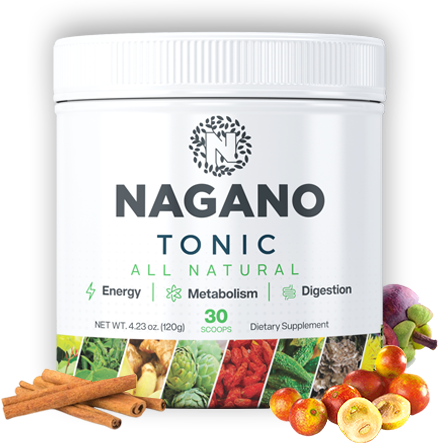
Nagano Tonic™ Metabolic Support Elixir
- Formulated with a blend of exotic botanical extracts designed to support a healthy, active metabolism and daily vitality
- Provides foundational nutritional support to help manage daily cravings, promote smooth digestion, and encourage sustained physical energy
- Features premium adaptogens, nutrient-dense superfruits, and a proprietary antioxidant complex without relying on harsh synthetic stimulants
The Role Of Smooth Muscle
Tiny rings of muscle surround your vessels. These muscles contract and relax to control the width of the path for blood. Stress or cold causes these muscles to stay tight for too long.
Relaxation of these muscles relies on adequate mineral levels and hydration. A steady supply of fluids keeps your blood volume stable. Consistent flow prevents the stagnation that leads to frozen digits.
Physical Movement And Blood Flow
Movement keeps your pump strong. Walking forces your calf muscles to contract. These contractions push blood from your feet back toward your center.
Static standing creates pooling in the lower legs. This pressure makes it harder for your vessels to move oxygenated blood down to your toes. You should add movement every hour to prevent this bottleneck.
- Ankle Circles: Rotate your feet in wide arcs to engage the muscles surrounding your lower joints.
- Calf Raises: Lift your heels off the ground to activate the lower leg pump mechanism.
- Walking Breaks: March in place for two minutes to encourage systemic circulation across your limbs.
The Temperature Regulation Math
Your body prioritizes heat for the core. A simple formula explains how heat distribution shifts during cold exposure. If your core temp drops by 1 degree, your vessels in the extremities constrict by nearly 30 percent.
| Condition | Vessel Diameter | Warmth Level |
|---|---|---|
| Normal State | 100 percent | Optimal |
| Mild Cold | 70 percent | Reduced |
| Severe Chill | 40 percent | Minimal |
Nutritional Support For Vessels
Vascular Wall Integrity
Nutrients help maintain the elasticity of your vessels. Vitamin C supports the building blocks of your vessel walls. Information from the National Institutes of Health confirms this nutrient is vital for tissue health.
Citrus fruits and bell peppers provide this support. Consistent intake keeps the pathways supple. This prevents the hardening that slows your flow over time.
Hydration And Blood Viscosity
Water makes up most of your blood volume. Dehydration thickens your blood like syrup. Thick blood moves slowly through thin passages.
Aim for consistent water intake throughout the day. Sip fluids rather than drinking large amounts at once. This keeps your volume stable and your flow steady.
Stress Management And Vascular Tone
Your nervous system controls your vessel diameter. Chronic stress keeps your body in a state of high alert. This causes your vessels to remain narrow as part of a fight response.
Deep breathing shifts your system toward rest. This allows your vessel muscles to loosen. Warmth often returns to the hands shortly after you calm your nervous system.
Footwear And External Barriers
The Importance Of Proper Fit
Tight socks cut off flow at the ankle. Narrow shoes compress the top of your foot. Both habits restrict the space blood needs to reach your toes.
Choose footwear that allows wiggle room. Natural fibers like wool keep skin dry. Moisture pulls heat away from your skin rapidly if your feet sweat.
Layering Strategies
Trapping air is the goal of good winter gear. Air acts as an insulator against the cold. Two thin layers work better than one thick, heavy layer.
Ensure your outer layer blocks the wind. Wind strips heat from your surface instantly. Protecting your skin from air currents keeps your vessels from needing to constrict.
Monitoring Changes Over Time
Keep a daily log of how your hands feel. Note the time of day and the temperature. This helps you identify triggers for your cold extremities.
Data from the Centers for Disease Control suggests that tracking habits improves consistency. You might notice that afternoon walks solve your evening cold feet. Use this feedback to adjust your routine.
Frequently Asked Questions
Why do my hands stay cold even when I am inside a warm room?
Indoor environments often lack airflow or humidity. If you sit still for long periods, your circulation slows down naturally. Your body does not need to send as much blood to your limbs when you are not moving.
Try to move your fingers and toes periodically while working. Change your posture to prevent pressure on your veins. Standing up for one minute every thirty minutes encourages better flow to your extremities.
Can drinking coffee affect the temperature of my fingers?
Caffeine acts as a stimulant that can cause vessels to narrow. This constriction is a known reaction to high intake of coffee or strong tea. It may limit the amount of blood reaching your skin surface.
Consider swapping your afternoon cup for herbal tea. Monitor if your hands feel warmer after the switch. Balance your intake to avoid the sudden tightening of your small vessel network.
Is it normal for my skin to change colors when it gets cold?
Minor color shifts are typical as your body manages heat. Skin might appear pale or slightly blue if vessels tighten during a cold snap. This is a standard reaction to preserve core heat.
You should worry if the color stays changed for hours. Seek professional guidance if you notice sores or persistent numbness. Keep your skin protected to avoid these extreme reactions.
Does smoking interfere with blood movement?
Smoking introduces substances that cause vessels to constrict immediately. This action reduces the amount of oxygen reaching your fingers and toes. Over time, this habit damages the lining of your vessels.
Stopping this habit allows your vessels to return to a more flexible state. Many people notice improved warmth within a few weeks of avoiding tobacco. Your vascular health relies on clean air and oxygenated blood.
Are supplements a good way to help with cold hands?
Some people find that certain nutrients support vessel health. However, food sources offer the best balance of vitamins and minerals. Focus on colorful vegetables and healthy fats to support your blood flow naturally.
Consult with a professional before adding any pills to your day. They can check if your current routine needs changes. A balanced diet remains the best foundation for strong circulation.
The Bottom Line
Maintaining healthy blood movement requires consistent attention to your habits. Prioritize hydration, frequent movement, and stress management to support your natural heat production. Managing signs of poor microcirculation in hands and feet involves small, sustainable adjustments to your daily life. Do not ignore persistent coldness, but observe your triggers to find what works for your unique physiology.
This information is intended for educational purposes only. It is not intended for individuals with pre-existing vascular conditions, those who are pregnant, or anyone suffering from chronic medical disorders. Consult a licensed healthcare provider before starting any new wellness routine.
Get Your FREE Natural Health Guide!
Subscribe now and receive our exclusive ebook packed with natural health tips, practical wellness advice, and easy lifestyle changes, delivered straight to your inbox.