
Contents
The rich taste and tenderness of ribeye steak make it a favorite for many. For those following a ketogenic diet, ribeye not only satisfies cravings but also aligns perfectly with dietary goals. However, many face challenges in maximizing the flavor profile and nutritional benefits of this cut. Understanding how to prepare and pair ribeye can elevate any dining experience, making it not just a meal but a culinary adventure.
Savoring ribeye steak involves more than just cooking it to perfection. The right seasoning, cooking technique, and complementary sides can transform a simple dish into a gourmet experience. Pairing the steak with flavorful accompaniments not only enhances the taste but also contributes essential nutrients, making each bite fulfilling. This guide will delve into the intricacies of enjoying ribeye steak, offering practical applications, insights into common mistakes, and an exploration of the science behind its health benefits.
Navigating the world of keto-friendly dining does not mean sacrificing flavor. In fact, ribeye steak serves as a canvas for creativity in the kitchen. From herbs and spices to low-carb sides, the options for enhancing your meal are endless. This guide provides a comprehensive approach to enjoying ribeye steak, ensuring that every dinner is not only enjoyable but also nutritionally sound.
By the end of this exploration, you will be equipped with practical knowledge on how to savor ribeye steak, avoid common pitfalls, and understand the scientific principles that make this dish a staple for those on a ketogenic journey.
How to Use Ribeye Steak for Real Results
- Best Form: Fresh, high-quality ribeye steak.
- Best Time: Dinner, ideally after a workout for optimal recovery.
- Expected Result: A satisfying and flavorful meal that supports keto goals.
Choosing the Right Cut
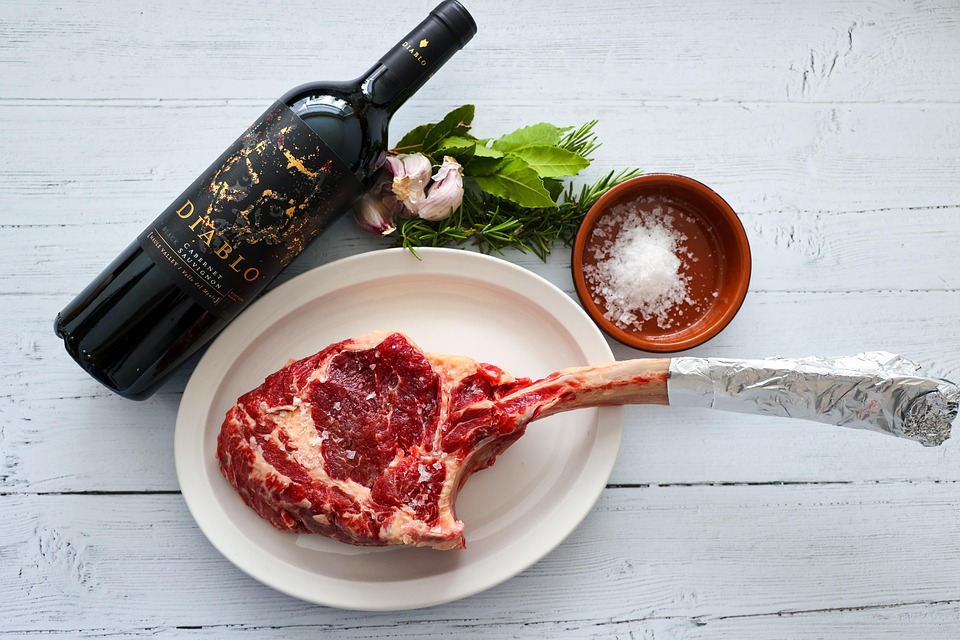
The ideal ribeye steak should have a good amount of marbling. Look for steaks that have a balance of fat and meat. The marbling contributes to flavor and tenderness. Select cuts that are at least one inch thick for optimal cooking results.
To prepare, allow the steak to come to room temperature before cooking. This ensures even cooking throughout. Season generously with salt and freshly cracked black pepper. Consider adding garlic powder or a blend of your favorite herbs for an extra flavor boost.
When cooked properly, the ribeye should have a beautiful crust on the outside while remaining juicy on the inside. Aim for a medium-rare finish for the best flavor. The sensation of the first bite should be a delightful mix of savory and buttery goodness, lingering on the palate for a satisfying experience.
Pro Tip: Let the steak rest for at least five minutes after cooking. This allows the juices to redistribute, ensuring a moist bite.
Flavorful Pairings
Pairing ribeye steak with complementary flavors can elevate the dish. Consider a side of sautéed garlic spinach or roasted Brussels sprouts. These vegetables not only add color but also provide essential nutrients without excessive carbs.
For a sauce, a homemade herb butter can enhance the richness of the steak. Combine softened butter with fresh herbs like rosemary or thyme. A dollop of this on top of a hot ribeye creates a luxurious finish. The sensation of the melted butter mingling with the meat is indulgent and satisfying.
Accompany the meal with a dry red wine or a sparkling water with lemon. Both options provide a refreshing contrast to the richness of the steak, enhancing the overall dining experience.
Pro Tip: Experiment with different herbs and spices for the butter. Options like smoked paprika or crushed red pepper can add unique flavors.
Cooking Techniques
Cooking ribeye steak can be done using various methods. Grilling is a popular choice, imparting a smoky flavor. Preheat the grill and ensure the grates are clean and oiled. Cook the steak for about four to five minutes per side, depending on thickness.
Alternatively, pan-searing is an excellent method for achieving a perfect crust. Use a cast-iron skillet for even heat distribution. Add a small amount of high smoke-point oil, such as avocado oil, and sear the steak for three to four minutes on each side. Finish in the oven if necessary to reach the desired doneness.
Regardless of the method, the goal is to achieve a beautifully browned crust while maintaining the juicy interior. The feeling of the steak should be tender and melt-in-your-mouth, with each bite releasing a burst of flavor.
Pro Tip: Use a meat thermometer to check for doneness. Aim for 130°F for medium-rare.
Avoiding Common Pitfalls
Overcooking the Steak
One of the most common mistakes when cooking ribeye is overcooking. This can lead to a tough and dry steak, robbing it of its natural flavors. The key to a perfect ribeye is monitoring the internal temperature closely. Use a meat thermometer to check for doneness.
Cook the steak to medium-rare for the best flavor and tenderness. If you prefer a different doneness, adjust the cooking time accordingly. Allowing the steak to rest before slicing is crucial. This helps retain the juices, ensuring a moist steak.
Pay attention to the cooking method as well. High heat is essential for searing, but cooking too long at high temperatures can lead to overcooking. Adjust your heat as necessary to achieve the perfect balance.
Neglecting Seasoning
Another common error is under-seasoning the steak. Ribeye has a rich flavor that deserves to be complemented, not masked. Generously season with salt and pepper before cooking. Consider marinating the steak for a few hours to infuse additional flavors.
Experiment with different herbs and spices to find your ideal combination. Garlic, rosemary, and thyme are excellent choices that enhance the natural flavors of the meat. The right seasoning can elevate the dish from ordinary to extraordinary.
Pairing with a flavorful sauce or herb butter can also enhance the taste. Do not shy away from bold flavors that can stand up to the richness of the ribeye.
Choosing Low-Quality Meat
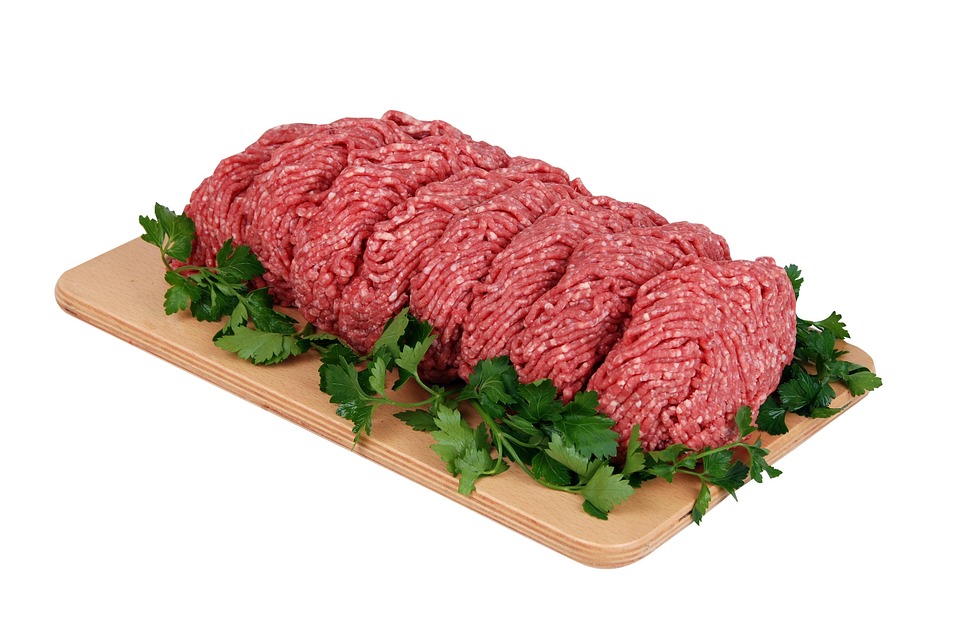
Selecting low-quality meat can significantly affect the taste and texture of your dish. Always opt for high-quality ribeye from a reputable source. Look for steaks with good marbling and a bright red color. Avoid steaks that appear dull or have excessive dry spots.
Investing in quality meat pays off in flavor and texture. Grass-fed beef is often leaner and has a distinct flavor profile. While it may be more expensive, the taste difference is worth it for a special meal.
Consider the source of your meat. Local farms or butchers often provide higher-quality options compared to mass-produced meats. Knowing where your food comes from can enhance your overall dining experience.
The Biological Mechanism Behind Ribeye Steak
Ribeye steak is packed with proteins and healthy fats, making it an excellent choice for those on a ketogenic diet. The biological mechanism involves the breakdown of proteins into amino acids, which are essential for muscle repair and growth. The fats in ribeye, particularly saturated fats, are also a vital energy source on a low-carb diet.
When consumed, the body metabolizes these nutrients, utilizing them for energy and bodily functions. This process supports overall health, particularly for those engaging in regular physical activity. The satiating nature of ribeye helps curb cravings, making it easier to adhere to dietary goals.
Another aspect is the presence of essential vitamins and minerals in ribeye. Nutrients such as iron, zinc, and B vitamins play critical roles in various bodily functions, including oxygen transport and energy production. These nutrients support overall well-being, particularly in those following restrictive diets.
Key Nutrients and Their Benefits
Ribeye steak is rich in several key nutrients. One of the most significant is vitamin B12, essential for nerve function and the production of red blood cells. Additionally, ribeye contains zinc, which supports immune function and wound healing. The presence of iron is crucial for transporting oxygen throughout the body.
These nutrients are vital for maintaining energy levels and overall health, particularly in a ketogenic diet where nutrient density is essential. The combination of protein and healthy fats in ribeye also contributes to a feeling of fullness, reducing the likelihood of overeating.
The benefits of ribeye steak extend beyond just taste. The nutritional profile supports a balanced diet, especially when paired with low-carb vegetables and healthy fats. Incorporating ribeye into your meals can provide the necessary nutrients while keeping carbohydrate intake minimal.
For further scientific insights, explore research on the health benefits of red meat here.
Choosing the Right Cut
When selecting ribeye steak, consider the following factors:
- Potency: Look for cuts with ample marbling. The fat content enhances flavor and tenderness, making for a more enjoyable meal.
- Purity: Ensure the meat is sourced from reputable farms. Grass-fed options are often healthier and more flavorful.
- Form: Fresh cuts are preferable. Avoid pre-packaged meats that may contain preservatives or additives.
Benefits and Risks
| The Benefits | Potential Downsides |
|---|---|
| Rich in protein and essential nutrients | High in saturated fat |
| Supports muscle growth and repair | May contribute to elevated cholesterol levels |
| Delicious and satisfying | Can be expensive compared to other cuts |
Complementary Lifestyle Habits
Incorporating physical activity into your routine can enhance the benefits of a ribeye steak dinner. Regular exercise supports muscle growth and overall well-being. Aim for a mix of strength training and cardiovascular activities to optimize health.
Additionally, consider mindfulness practices such as meditation or yoga. These habits can improve mental focus and reduce stress, complementing a healthy diet. Engaging in mindfulness can also enhance your dining experience, allowing you to savor each bite fully.
Who Should Avoid This?
– Individuals with high cholesterol or heart disease
– Those following a low-fat diet
– People with specific dietary restrictions or allergies
– Individuals with kidney issues should limit protein intake
Common Questions
Is ribeye steak healthy for a ketogenic diet?
Yes, ribeye steak is high in healthy fats and protein, making it suitable for a ketogenic diet.
Can I eat ribeye steak every day?
While ribeye steak is nutritious, moderation is key. Balance it with other protein sources and vegetables.
What is the best way to cook ribeye steak?
Grilling or pan-searing are excellent methods to achieve a flavorful crust while keeping the inside juicy.
How do I know when my ribeye is cooked?
Use a meat thermometer. Aim for 130°F for medium-rare.
The Bottom Line
Ribeye steak can be a delicious and nutritious addition to your ketogenic lifestyle.
- The Truth: While ribeye is rich in nutrients, it should be consumed in moderation.
- The Strategy: Pair it with low-carb vegetables for a balanced meal.
- The Next Step: Experiment with various cooking methods and seasonings for variety.
Get Your FREE Natural Health Guide!
Subscribe now and receive our exclusive ebook packed with natural health tips, practical wellness advice, and easy lifestyle changes, delivered straight to your inbox.