
Contents
Fertility challenges can feel overwhelming and isolating. Many individuals and couples navigate the emotional rollercoaster of trying to conceive, often facing anxiety and uncertainty. Amidst the myriad of advice and strategies, understanding how to optimize your body’s function can significantly impact your fertility journey. One often overlooked yet powerful technique involves reverse kegels, a practice that can enhance pelvic floor health and improve reproductive function.
As you delve into this topic, it is crucial to recognize that the pelvic floor plays a vital role in fertility. This group of muscles supports the bladder, uterus, and rectum, and their strength and flexibility are paramount for overall reproductive health. Reverse kegels specifically focus on relaxing these muscles, which can counteract tension that may hinder conception. This guide will explore the practical application of reverse kegels and their potential benefits for enhancing fertility.
Understanding your body’s mechanics can empower you to take actionable steps toward improving your fertility. As you learn about reverse kegels, you will find that this practice not only fosters a deeper connection with your body but also promotes emotional well-being. By focusing on relaxation and muscle control, reverse kegels can create a supportive environment for conception.
This comprehensive guide aims to provide you with practical techniques, insights into common mistakes, and the scientific basis for incorporating reverse kegels into your fertility journey. By embracing this holistic approach, you can enhance your chances of achieving your reproductive goals.
How to Use Reverse Kegels for Real Results
- Best Form: Guided relaxation sessions
- Best Time: At the end of the day
- Expected Result: Enhanced pelvic floor relaxation
Creating a Relaxation Routine
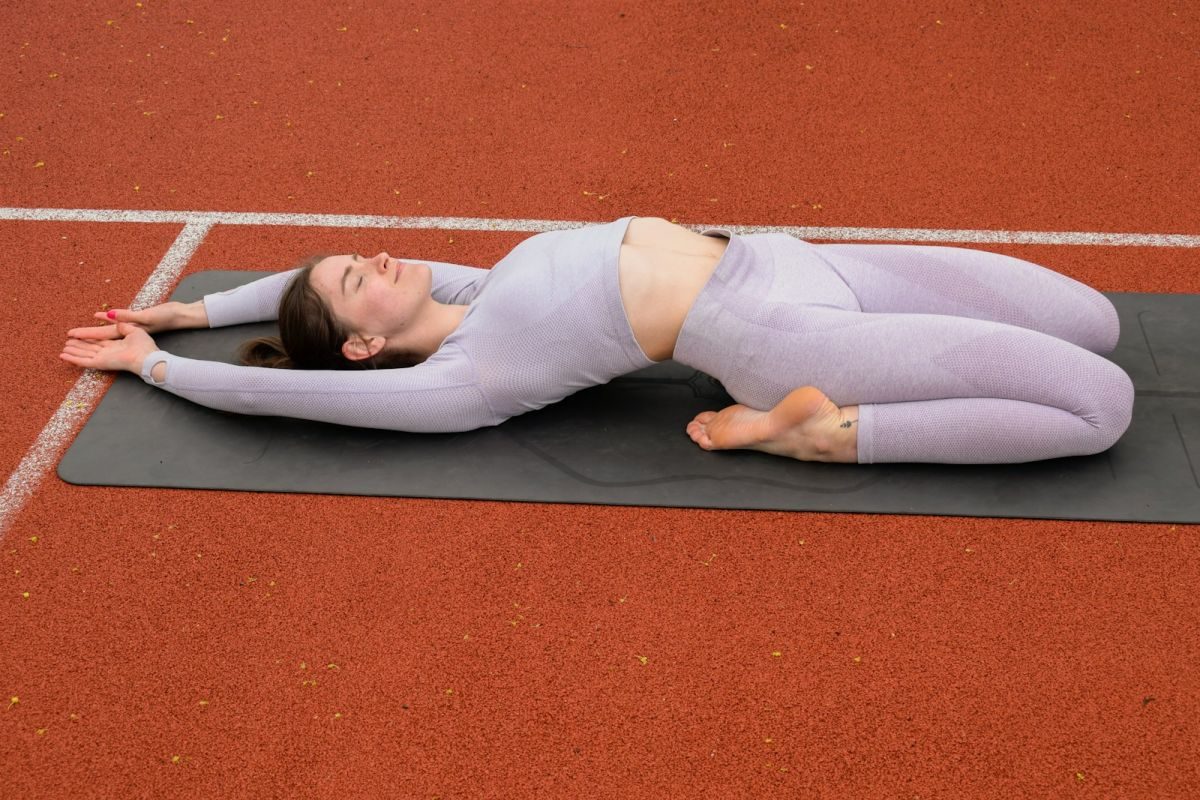
Begin by setting the atmosphere. Find a quiet space where you can sit or lie down comfortably. Soft lighting and calming music can enhance the experience. You may want to use a yoga mat or a blanket for added comfort. This environment prepares both your body and mind for relaxation.
Once settled, take a few deep breaths. Inhale deeply through your nose, allowing your abdomen to expand. Exhale slowly through your mouth. Focus on your breath, letting any tension melt away. This initial phase is essential for calming the nervous system.
As you continue to breathe deeply, visualize the pelvic floor muscles. Imagine them gently releasing and relaxing. The goal is to foster a sense of openness in this area, promoting enhanced blood flow and relaxation. This may feel like a gentle stretching sensation. Pro Tip: Incorporate visualization techniques to deepen your relaxation.
Incorporating Deep Breathing Techniques
Prepare for deep breathing exercises by sitting comfortably with your back straight. Place one hand on your abdomen and the other on your chest. This setup allows you to feel the movement of your breath in real-time. Aim for a relaxed posture, ensuring your shoulders are down and away from your ears.
Begin inhaling deeply through your nose for a count of four, feeling your abdomen rise. Hold the breath for a count of four, then exhale through your mouth for a count of six. Repeat this cycle several times, focusing on the sensation of your pelvic floor relaxing with each exhale.
This rhythmic breathing pattern encourages a state of calmness while simultaneously engaging the pelvic floor muscles. You may notice a tingling sensation as blood flow increases in this area. Pro Tip: Use a timer to maintain your focus and ensure you practice for at least ten minutes.
Engaging Mindfulness Practices
To enhance your practice, consider incorporating mindfulness techniques. Begin by grounding yourself in the present moment. Close your eyes and focus on your breathing. Acknowledge any thoughts that arise without judgment, simply letting them pass.
As you settle into this state of mindfulness, bring your attention to your pelvic floor. Visualize warmth and relaxation spreading throughout this area, creating a sense of comfort and safety. This mental engagement helps reinforce the connection between your mind and body.
Over time, this practice can lead to a profound sense of relaxation and openness in your pelvic area. The effects may linger long after your session ends, contributing to a more receptive state for conception. Pro Tip: Consider journaling your feelings after each session to track your emotional and physical responses.
Avoiding Common Pitfalls
Neglecting Consistency
One significant mistake is practicing reverse kegels sporadically. Consistency is crucial for building muscle memory and achieving the desired results. Without a regular routine, the benefits may be minimal or nonexistent.
To counter this, establish a dedicated schedule. Aim for at least three sessions per week. Incorporate these practices into your daily routine, perhaps in the morning or before bed. By making this a non-negotiable part of your day, you reinforce the habit.
Consider setting reminders on your phone or using a calendar to track your sessions. This accountability can boost your commitment and ensure you stay on track. Pro Tip: Pair your sessions with another daily habit, such as brushing your teeth.
Ignoring Body Signals
Another common mistake is disregarding your body’s signals during practice. If you feel discomfort or pain, it is essential to listen to your body and adjust accordingly. Pushing through discomfort can lead to tension rather than relaxation.
Instead, focus on gentle movements and sensations. If you experience discomfort, pause and reassess your posture or breathing technique. You may need to modify your position or reduce the intensity of your practice.
Pay attention to how your body responds to each session. Keeping a journal can help you track your physical sensations and emotional responses. This awareness will guide you in refining your practice for optimal results. Pro Tip: Always prioritize comfort over intensity.
Rushing the Process
A common error is rushing through the exercises. Fertility enhancement is a gradual process that requires patience and dedication. Expecting immediate results can lead to frustration and disappointment.
Take your time during each session. Allow yourself to fully engage in the practice without distractions. Focus on your breath and the sensations in your body. This mindfulness will enhance the effectiveness of your reverse kegels.
Consider setting aside at least twenty minutes for each session. This dedicated time allows you to fully immerse yourself in the experience. Over time, you will likely notice more significant changes in your body and emotional state. Pro Tip: Embrace the journey rather than fixating on the end goal.
Understanding the Mechanism
The pelvic floor muscles are a complex network that plays a vital role in reproductive health. These muscles support the pelvic organs and are crucial for maintaining optimal function. Reverse kegels target these muscles, focusing on relaxation rather than contraction.
By engaging in reverse kegels, you promote increased blood flow to the pelvic area. This enhanced circulation can improve muscle elasticity and overall pelvic health. Relaxed pelvic floor muscles can also potentially alleviate tension that may interfere with conception.
Research supports the benefits of pelvic floor exercises for reproductive health. A study published in the journal PubMed highlights the positive impact of pelvic floor training on fertility outcomes.
Selecting the Right Approach
- Potency: Ensure that the exercises are effective and tailored to your specific needs. This ensures you receive the maximum benefit from your practice.
- Purity: Choose techniques that are free from distractions and focus solely on your body’s needs. This enhances the overall experience and effectiveness.
- Form: Select a method that feels comfortable and natural for you. This will encourage regular practice and long-term commitment.
Evaluating Benefits and Risks
| The Benefits | Potential Downsides |
|---|---|
| Promotes relaxation and reduces tension. | May require consistent practice to see results. |
| Enhances blood flow to the pelvic area. | Improper technique can lead to discomfort. |
| Improves overall pelvic floor health. | May take time to develop muscle memory. |
Complementary Lifestyle Choices
Engaging in regular physical activity can enhance the benefits of reverse kegels. Exercises like yoga and Pilates strengthen the core and pelvic floor muscles, promoting overall health. Aim for at least thirty minutes of moderate activity most days of the week.
Mindful eating is another vital habit. A balanced diet rich in whole foods supports reproductive health. Incorporate a variety of fruits, vegetables, whole grains, and lean proteins to nourish your body.
Who Should Avoid This?
- Individuals with pelvic pain conditions.
- Those who have recently undergone pelvic surgery.
- People experiencing significant tension or discomfort in the pelvic area.
- Individuals with certain medical conditions affecting the pelvic region.
Common Questions
Can reverse kegels be practiced during pregnancy?
Yes, reverse kegels can be beneficial during pregnancy as they promote relaxation and may ease discomfort.
How long does it take to see results?
Results vary by individual. Many notice improvements within a few weeks of consistent practice.
Are there any risks associated with reverse kegels?
When practiced correctly, reverse kegels are generally safe. However, discomfort may arise if performed incorrectly.
Can men benefit from reverse kegels?
Yes, men can benefit as well. Reverse kegels can enhance pelvic floor strength and improve overall sexual health.
The Final Thoughts
Integrating reverse kegels into your fertility journey can be a transformative experience.
- The Truth: Results depend on consistent practice and individual body responses.
- The Strategy: Aim for relaxation sessions at the end of your day.
- The Next Step: Consider pairing your practice with mindfulness techniques for deeper effects.
Get Your FREE Natural Health Guide!
Subscribe now and receive our exclusive ebook packed with natural health tips, practical wellness advice, and easy lifestyle changes, delivered straight to your inbox.