
Contents
Sweeteners have long been a topic of debate, especially among those who need to manage their blood sugar levels. Traditional sugars can lead to spikes and crashes, complicating daily life for individuals with diabetes or insulin resistance. The search for alternatives has led many to consider natural sweeteners that do not impact blood glucose levels. Among these alternatives, monk fruit has gained attention for its remarkable properties.
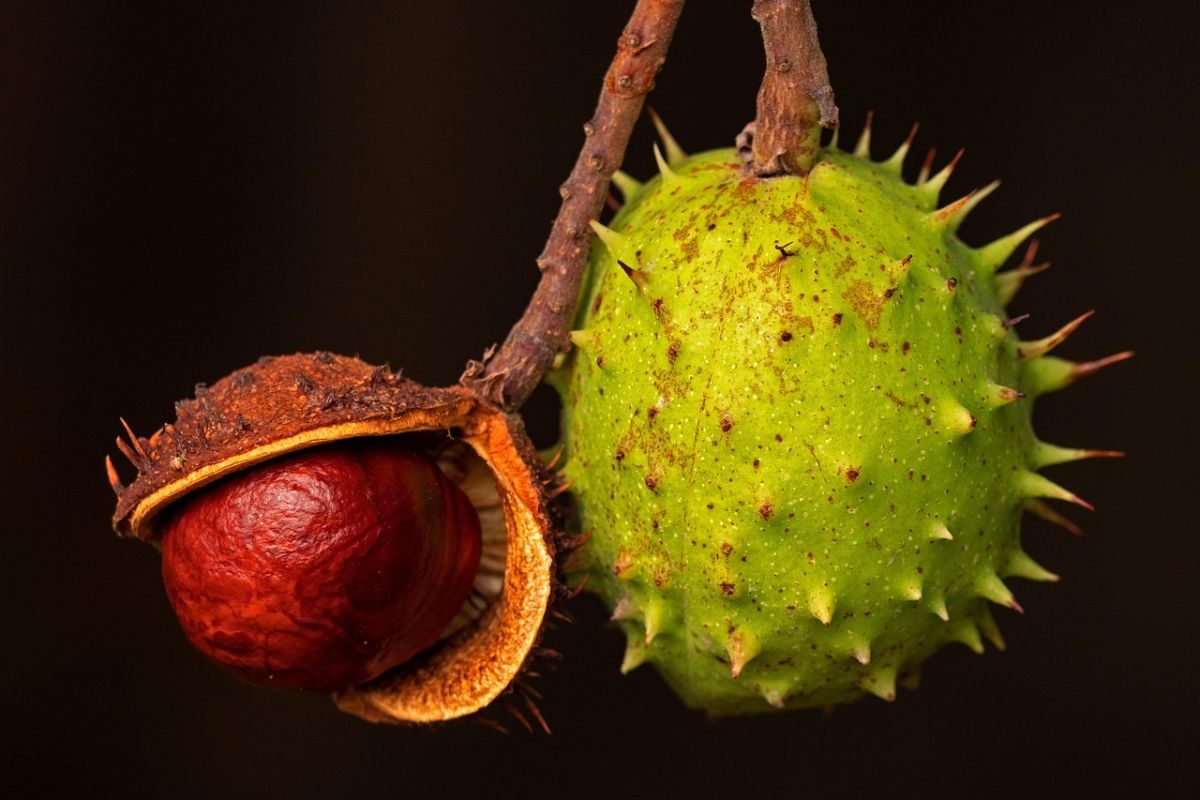
Monk fruit, scientifically known as Siraitia grosvenorii, is a small green gourd native to southern China. It has been used for centuries in traditional Chinese medicine for its health benefits. The sweetness in monk fruit comes from mogrosides, natural compounds that are significantly sweeter than sugar but contain no calories or carbs. This unique profile makes monk fruit a compelling option for those seeking to control their blood sugar.
Understanding how to incorporate monk fruit into your diet can be transformative. It allows individuals to enjoy sweet flavors without the detrimental effects of traditional sugars. Whether you are baking, cooking, or sweetening beverages, monk fruit can easily replace sugar in many recipes.
This guide explores the practical applications of monk fruit, its scientific basis for blood sugar control, common pitfalls to avoid, and how to select the best products on the market. By the end, you will have a comprehensive understanding of how to make monk fruit a staple in your wellness journey.
How to Use Monk Fruit for Real Results
- Best Form: Monk fruit extract powder
- Best Time: During meals or snacks
- Expected Result: Stable blood sugar levels
For Daily Protection
The Prep: Gather monk fruit extract powder, your favorite beverage like tea or coffee, and a sweetener like stevia if desired. Make sure the beverage is hot or cold based on your preference.
The Action: Start by boiling water if preparing tea. Add one teaspoon of monk fruit extract to your cup. Stir well until the powder is fully dissolved. If you enjoy coffee, simply add the same amount of monk fruit to your brewed coffee. Adjust sweetness according to your taste.
The Feeling: You may notice a subtle sweetness that does not overpower the natural flavors of your drink. The satisfying taste lasts throughout your beverage, helping you avoid sugar spikes that would typically follow a sugary drink.
Pro Tip: Experiment with different beverages to find the best pairing that suits your palate.
In Baking Delights
The Prep: Gather monk fruit extract, flour, eggs, and your choice of fats like butter or oil. Choose a recipe that usually requires sugar, such as cookies or muffins.
The Action: Replace sugar with monk fruit extract according to the package guidelines, usually a one-to-one ratio. Mix all dry ingredients first, followed by wet ingredients. Bake as per the recipe, keeping an eye on the texture and color.
The Feeling: Baked goods will have a moist texture and a delightful sweetness without the high glycemic index. The flavors meld beautifully, creating a satisfying treat that is safe for blood sugar levels.
Pro Tip: Keep an eye on baking times as monk fruit can sometimes alter the cooking time slightly.
As a Topping or Drizzle
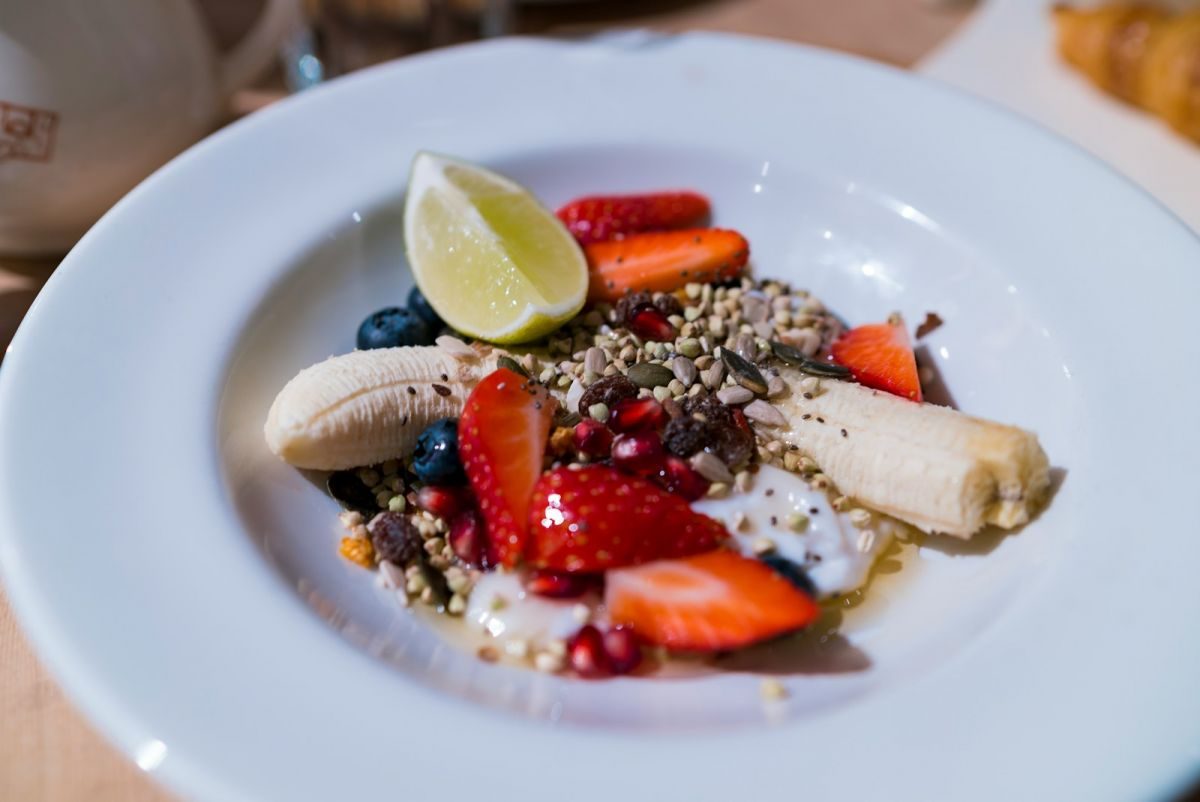
The Prep: Collect monk fruit syrup or extract, fruits, and yogurt or oatmeal. This can be an excellent topping for breakfast or dessert.
The Action: Drizzle monk fruit syrup over your yogurt or oatmeal after preparing it. If using fruit, slice it up and sprinkle monk fruit extract on top for an extra kick of sweetness. Stir well to incorporate.
The Feeling: The sweetness enhances the natural flavors of the yogurt or oatmeal without overwhelming them. You will experience a pleasant sweetness that complements the dish, making it a guilt-free indulgence.
Pro Tip: Use fresh seasonal fruits to maximize flavor while minimizing added sugars.
Common Pitfalls to Avoid
Choosing Low-Quality Monk Fruit Products
Many products on the market claim to be monk fruit sweeteners but may contain fillers and additives that could impact blood sugar levels. These low-quality options often dilute the benefits of pure monk fruit extract.
To avoid this mistake, always check the ingredient list. Look for products that contain monk fruit extract as the primary ingredient, without added sugars or artificial sweeteners. This ensures you are getting the genuine benefits of monk fruit.
Overconsumption of Sweeteners
While monk fruit is a healthier alternative, it is still important to consume it in moderation. Over-reliance on any sweetener, even natural ones, can lead to cravings for sweetness and disrupt your palate.
Aim to gradually reduce overall sweetness in your diet. Use monk fruit as a way to enhance flavors rather than as a primary flavoring agent. This will help retrain your taste buds to appreciate the natural flavors of foods.
Ignoring Individual Tolerance
Individuals can react differently to various sweeteners. Some may experience digestive discomfort or other reactions when consuming monk fruit, especially in larger quantities.
If you are new to monk fruit, start with small amounts. Monitor how your body responds and adjust your intake accordingly. This personalized approach will help you enjoy the benefits without adverse effects.
The Mechanism Behind Blood Sugar Control
The biological mechanism of monk fruit centers around its unique compounds, primarily mogrosides. These compounds are not metabolized by the body in the same way as traditional sugars. As a result, they do not raise blood glucose levels, making monk fruit a safe option for those managing diabetes or insulin sensitivity.
Mogrosides work by providing sweetness without calories. They achieve this by interacting with taste receptors on the tongue, signaling sweetness to the brain without entering the bloodstream. This allows individuals to enjoy sweet flavors while maintaining stable blood sugar levels.
Research supports these claims. A study published in the journal “Nutrients” highlights the efficacy of monk fruit as a natural sweetener that does not impact glycemic response. For more information, you can explore the findings on PubMed.
Choosing the Right Product
-
Potency: Look for monk fruit products that specify the mogroside content. Higher potency means you will need less of it to achieve the desired sweetness.
-
Purity: Ensure the product is pure monk fruit extract without fillers or additives. This guarantees you receive all the health benefits without unnecessary ingredients.
-
Form: Monk fruit is available in various forms, including liquid, powder, and granules. Choose a form that fits your lifestyle and intended use, whether for baking, cooking, or beverages.
Benefits vs Risks
| The Benefits | Potential Downsides |
|---|---|
| Natural, zero-calorie sweetener | Some may experience digestive issues |
| Does not spike blood sugar levels | Can lead to cravings for sweetness |
| Rich in antioxidants | Quality varies between products |
Habits to Enhance Your Wellness Journey
Incorporate regular physical activity into your routine. Exercise helps improve insulin sensitivity and can moderate blood sugar levels, complementing the use of monk fruit in your diet.
Adopt mindful eating practices. Pay attention to portion sizes and savor the flavors of your food. This approach can help reduce cravings and enhance satisfaction, supporting your overall wellness.
Who Should Avoid This?
- Individuals with allergies to gourd family plants
- Those with specific gastrointestinal issues
- Pregnant women without consulting a healthcare provider
Common Questions
Is monk fruit safe for diabetics?
Yes, monk fruit is safe for diabetics as it does not raise blood sugar levels.
Can monk fruit be used in baking?
Absolutely, monk fruit can be used in baking, though adjustments may be needed for texture.
How does monk fruit compare to stevia?
Both are natural sweeteners, but monk fruit has a different flavor profile and may be sweeter than stevia.
Is monk fruit suitable for children?
Yes, monk fruit is safe for children but should be introduced gradually.
The Bottom Line
Monk fruit offers a promising alternative to traditional sugars for blood sugar control.
- The Truth: Some individuals may experience digestive discomfort.
- The Strategy: Use monk fruit during meals for optimal benefits.
- The Next Step: Gradually reduce overall sweetness in your diet.
Get Your FREE Natural Health Guide!
Subscribe now and receive our exclusive ebook packed with natural health tips, practical wellness advice, and easy lifestyle changes, delivered straight to your inbox.