
Contents
The modern lifestyle often leads to hormonal imbalances that can disrupt the delicate balance of pelvic hormones. Issues such as anxiety, fatigue, and irregular menstrual cycles may arise from these imbalances. Many individuals seek solutions that address these concerns holistically, rather than relying solely on medication. Yoga and mindful movement provide a powerful pathway to support hormonal health, particularly through poses that enhance pelvic hormone balance.
Pelvic hormones, including estrogen and progesterone, play crucial roles in various bodily functions. Their balance can impact mood, energy levels, and reproductive health. Engaging in specific yoga poses can stimulate the pelvic region, improve blood flow, and promote hormonal balance. This guide will explore how flowing through targeted poses can support pelvic hormone health and provide practical applications to incorporate into daily routines.
The practice of yoga not only strengthens the body but also fosters a deeper connection between the mind and body. By focusing on breath and movement, individuals can enhance their awareness of internal sensations, which is essential for recognizing and addressing hormonal imbalances. This guide will outline practical applications for yoga poses that specifically target pelvic hormone balance, discuss common mistakes to avoid, delve into the science behind these practices, and provide a comprehensive buying guide for related products.
Through this exploration, individuals will learn how to incorporate these practices into their daily lives. This can lead to improved well-being and a more balanced hormonal state. Embrace the journey of self-discovery and empowerment through the art of yoga, specifically designed to enhance pelvic hormone balance.
How to Use Yoga for Real Results
- Best Form: Flowing sequences of poses
- Best Time: Morning or early evening
- Expected Result: Enhanced hormonal balance and improved mood
For Daily Protection
The prep for this flow begins with a comfortable mat and some relaxing music. Choose a space where you can focus without distractions. Prepare your mind and body by setting an intention for your practice, such as balance or harmony.
Begin in a standing position with feet hip-width apart. Inhale deeply, raising your arms overhead. As you exhale, fold forward into a forward bend. This initial movement sets the tone for the rest of the flow, grounding your energy and focusing your mind.
As you transition through the poses, you may feel a gentle stretching sensation in your lower back and pelvis. This feeling can last throughout the practice, helping to release tension. Pro Tip: Keep your breath steady and deep to enhance relaxation.
Targeting Acute Pain
Start by gathering props such as blocks and straps if needed. Create a calming environment with dim lighting and soothing scents. Focus on your breath to prepare for the flow that targets pelvic tension and discomfort.
Begin with Cat-Cow stretches on your hands and knees. Inhale as you arch your back and exhale as you round it. This movement helps to release tension in the pelvic area. Follow this with gentle hip openers like Pigeon Pose, allowing your hips to sink into the mat.
During this flow, expect to experience a warming sensation in the pelvic region. This can lead to a sense of relief as tension dissipates. Pro Tip: Hold each pose for several breaths to maximize the release of tension.
The Nighttime Routine
For this evening practice, create a serene atmosphere with candles or soft lighting. Use a blanket for added comfort and warmth. Begin by lying on your back, placing your legs up the wall to encourage relaxation and blood flow.
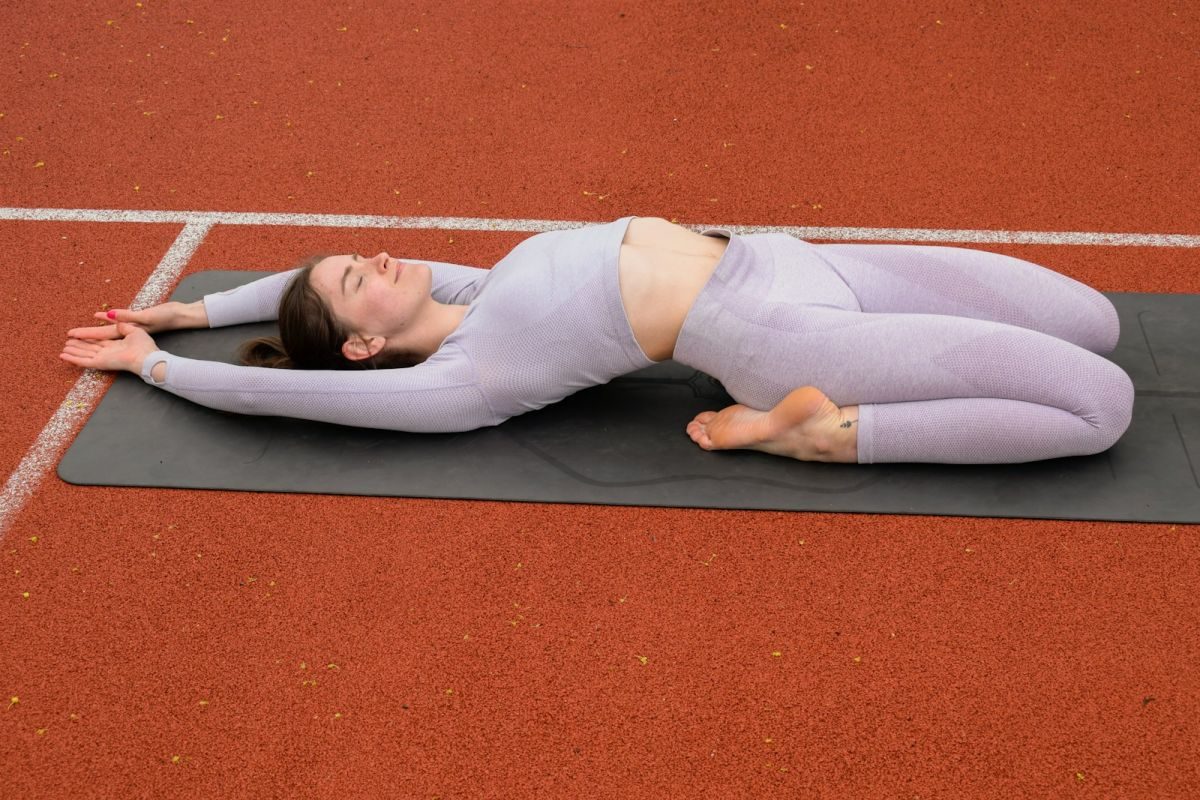
Transition into a gentle Supine Twist, allowing gravity to work on your spine and pelvis. This pose helps release stored tension and promotes relaxation before sleep. Follow with Child’s Pose, where you can focus on your breath and let go of the day’s stresses.
As you flow through these poses, you may feel a calming sensation spreading throughout your body. This practice can last anywhere from 15 to 30 minutes, leading to a deeper sense of relaxation. Pro Tip: Incorporate breathwork to enhance the calming effects of the flow.
Common Mistakes to Avoid
Overexerting Yourself
Many individuals push themselves too hard during yoga sessions, believing that more effort equates to greater benefits. This mindset can lead to injury and increased tension in the body. Instead, focus on maintaining a steady flow and honoring your body’s limits.
Listening to your body is crucial in yoga. If a pose feels uncomfortable, modify it or take a break. This approach will allow for a more fruitful practice that supports hormonal balance without causing additional stress.
Neglecting Breath Awareness
Another common mistake is forgetting to connect breath with movement. Breath is the foundation of yoga, and neglecting this connection can hinder the effectiveness of the practice. Each pose should be accompanied by mindful breathing to promote relaxation and enhance the flow of energy.
To avoid this mistake, consciously inhale and exhale as you move through poses. Allow your breath to guide your movements and create a rhythm that feels natural. This practice will deepen your connection to your body and support hormonal balance more effectively.
Skipping the Cool Down
Many practitioners overlook the importance of a cool-down phase at the end of their practice. This phase is essential for allowing the body to integrate the benefits of the poses and to promote relaxation. Skipping this step can leave the body feeling tense and unfocused.
Incorporate gentle stretches and restorative poses at the end of your session. Allow yourself to gradually return to a resting state. This practice will enhance the overall benefits of your yoga routine, particularly concerning hormonal balance.
The Science Behind Hormonal Balance
The biological mechanisms behind hormonal balance involve complex interactions within the endocrine system. Hormones such as estrogen and progesterone are produced in the ovaries and play significant roles in regulating the menstrual cycle and overall reproductive health. Imbalances can lead to various health issues.
Key compounds, such as phytoestrogens found in certain foods, can influence hormonal health. These compounds mimic estrogen in the body, potentially aiding in hormone regulation. Consuming foods rich in phytoestrogens, such as flaxseeds and soy products, can support hormonal balance alongside yoga practice.
Clinical evidence supports the efficacy of yoga in improving hormonal balance. Research has shown that regular yoga practice can reduce stress levels and improve hormonal profiles in women. For more detailed information on this topic, refer to the findings on PubMed.
Choosing the Right Product
– **Potency:** Look for products that specify the concentration of active ingredients. Potency affects how effectively a product can influence hormonal balance.
– **Purity:** Ensure that products are free from additives and contaminants. Pure products are more likely to provide the desired health benefits without unwanted side effects.
– **Form:** Consider the form of the product, whether it is a supplement, tea, or topical application. The form can determine how quickly and effectively the ingredients work within the body.
Benefits vs Risks
| The Benefits | Potential Downsides |
|---|---|
| Enhances hormonal balance | May require consistent practice to see results |
| Improves mood and reduces anxiety | Risk of injury if poses are performed incorrectly |
| Promotes overall well-being | Not a substitute for medical treatment |
Habits for Hormonal Support
Incorporating a balanced diet rich in whole foods can significantly enhance hormonal health. Foods such as leafy greens, nuts, and seeds provide essential nutrients that support hormone production and regulation.
Prioritizing sleep hygiene is another key habit. Quality sleep is vital for hormonal balance. Establishing a regular sleep schedule and creating a calming bedtime routine can lead to improved hormonal regulation.
Who Should Avoid This?
– Individuals with certain medical conditions, such as severe osteoporosis.
– Pregnant or breastfeeding women without consulting a healthcare provider.
– Those with a history of certain hormonal disorders should seek professional guidance.
Common Questions
How often should I practice yoga for hormonal balance?
Practicing yoga three to five times per week can yield the best results for hormonal balance.
Can specific poses target hormonal imbalances?
Yes, poses that open the hips and promote relaxation can significantly affect hormonal health.
Is yoga enough to address hormonal issues?
While yoga is beneficial, it should be part of a holistic approach that includes nutrition and lifestyle changes.
What if I have injuries or limitations?
Always listen to your body and modify poses as needed. Consulting a qualified instructor can help you adapt your practice safely.
The Bottom Line
Integrating yoga into your routine can enhance pelvic hormone balance.
- The Truth: Results may vary based on individual circumstances.
- The Strategy: Aim for a consistent practice to maximize benefits.
- The Next Step: Consider incorporating additional lifestyle habits for optimal results.
Get Your FREE Natural Health Guide!
Subscribe now and receive our exclusive ebook packed with natural health tips, practical wellness advice, and easy lifestyle changes, delivered straight to your inbox.