
Contents
Sipping smarter can significantly enhance bladder health while simultaneously reducing alcohol consumption. Many individuals overlook the impact of their drinking habits on their overall well-being. Excessive alcohol intake can lead to a range of health issues, including bladder irritation and urinary incontinence. Understanding the connection between what you drink and how your bladder responds is crucial for making informed choices.
In recent years, awareness surrounding alcohol’s effects has grown. People are increasingly seeking alternatives to traditional alcohol consumption. Whether for health reasons, personal choice, or lifestyle changes, the desire to sip smarter is on the rise. This guide aims to provide actionable strategies for those looking to improve bladder health while reducing alcohol intake.
Making the shift does not have to be daunting. Small, intentional changes can lead to significant improvements in your health. By exploring various beverages, understanding their effects, and incorporating healthier habits, you can create a more balanced relationship with what you drink.
This comprehensive guide will delve into practical applications, common pitfalls, the science behind these choices, and how to choose the best products for your needs. Embracing these changes can lead to a healthier lifestyle, improved bladder function, and overall well-being.
How to Use Smart Drinking for Real Results
- Best Form: Herbal teas and infused waters
- Best Time: Throughout the day
- Expected Result: Improved hydration and bladder comfort
For Daily Protection
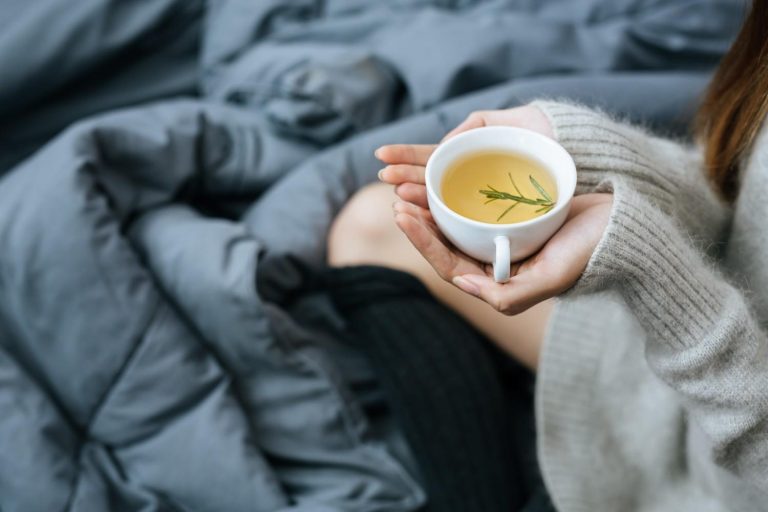
The preparation involves selecting ingredients known for their soothing properties. Consider chamomile tea or a blend of ginger and peppermint. Brew the tea using fresh ingredients to maximize flavor and benefits.
Begin by boiling water and adding your chosen herbs. Allow them to steep for about five to ten minutes. Strain the mixture and let it cool slightly before drinking. This routine can be integrated into your morning or afternoon schedule.
Upon sipping, you may notice a warming sensation in your stomach. This feeling typically lasts for a couple of hours, providing a sense of calm and comfort.
Pro Tip: Experiment with different herbs to find your preferred flavor profile.
Targeting Acute Discomfort
For acute bladder discomfort, consider using cranberry juice or herbal infusions like nettle tea. Fresh cranberries can also be blended into smoothies for added benefits.
Prepare by blending fresh cranberries with water and a touch of honey for sweetness. Alternatively, steep nettle leaves in hot water for several minutes. Both options can be consumed throughout the day for maximum effect.
You may experience a refreshing taste that invigorates your senses. The cooling effect can help alleviate discomfort, lasting for several hours.
Pro Tip: Consuming cranberry products regularly can help maintain urinary tract health.
The Nighttime Routine
To promote better sleep and bladder health, consider a calming herbal tea blend before bedtime. Lavender and chamomile work well together for this purpose.
Prepare the tea by boiling water and adding dried lavender and chamomile flowers. Let the mixture steep for about ten minutes, then strain and serve. This ritual can become a soothing part of your evening routine.
As you sip, expect a gentle relaxation that helps ease tension and prepares the body for sleep. The calming sensation usually lasts throughout the night, contributing to a restful sleep cycle.
Pro Tip: Avoid caffeine in the hours leading up to bedtime for optimal results.
Common Errors to Avoid
Relying on Sugary Alternatives
Many people turn to sugary drinks as substitutes for alcohol, thinking they are making healthier choices. However, these beverages can irritate the bladder and contribute to weight gain. Excess sugar may lead to inflammation and further exacerbate bladder issues.
Instead of sugary sodas or cocktails, opt for naturally flavored waters or herbal teas. These options hydrate without added sugars, providing comfort and health benefits.
Making this switch can enhance bladder health while reducing the risk of complications associated with high sugar intake.
Ignoring Hydration
Neglecting hydration is a common mistake that can aggravate bladder problems. Many individuals mistakenly believe that reducing fluid intake will help manage bladder discomfort. On the contrary, staying hydrated is crucial for diluting urine and minimizing irritation.
Focus on drinking water or herbal teas throughout the day. This habit keeps the bladder healthy and functioning optimally.
By prioritizing hydration, individuals can reduce the likelihood of experiencing bladder irritation and discomfort.
Choosing Low-Quality Ingredients
Using low-quality herbal products can diminish the benefits intended for bladder health. Many commercially available herbal teas contain fillers or low-potency ingredients that may not provide the desired effects.
Selecting high-quality, organic herbs ensures that you receive the maximum benefits. Research brands and opt for those that prioritize purity and potency.
Investing in quality ingredients enhances the effectiveness of your herbal remedies, leading to improved bladder health and overall well-being.
The Mechanism Behind Healthier Choices
The biological mechanisms at play involve how different beverages interact with the bladder. Alcohol acts as a diuretic, increasing urine production and leading to potential irritation. On the other hand, herbal teas and infused waters can soothe and hydrate the bladder lining, promoting overall health.
Key compounds in certain herbs, such as quercetin in chamomile and antioxidants in cranberry, contribute to their protective effects. These compounds help reduce inflammation and prevent irritation, making them ideal choices for bladder health.
Clinical evidence supports the benefits of herbal remedies and hydration in promoting urinary tract health. For further reading, refer to the research available on PubMed.
Choosing the Right Products
- Potency: Higher potency herbs are more effective in delivering health benefits.
- Purity: Look for products free from fillers and additives to ensure maximum efficacy.
- Form: Herbal teas, tinctures, or capsules should fit your lifestyle for consistent use.
Weighing the Benefits and Risks
| The Benefits | Potential Downsides |
|---|---|
| Improved bladder health and comfort | Initial withdrawal symptoms from reducing alcohol |
| Increased hydration levels | Adjustment period for new beverage choices |
| Better sleep quality with nighttime routines | Potential for missed social interactions |
Healthy Lifestyle Habits
Incorporating regular exercise into your routine can significantly benefit bladder health. Physical activity enhances circulation and promotes overall well-being.
Mindfulness practices, such as meditation or yoga, can also reduce stress and promote a healthy lifestyle. Stress can exacerbate bladder issues, making relaxation techniques essential for overall health.
Who Should Avoid This?
– Pregnant individuals
– Those with certain medical conditions, such as kidney disease
– Individuals taking specific medications that interact with herbal remedies
– People with known allergies to certain herbs
Common Questions
What are the best alternatives to alcohol for bladder health?
Herbal teas, infused waters, and natural juices are excellent alternatives that hydrate and soothe the bladder.
How does alcohol affect bladder function?
Alcohol acts as a diuretic, increasing urine production and potentially irritating the bladder lining.
Can herbal teas replace water intake?
While herbal teas can contribute to hydration, they should complement water intake rather than replace it.
Is it safe to consume herbal remedies daily?
Most herbal remedies are safe for daily use, but it is advisable to consult a healthcare provider for personalized recommendations.
The Bottom Line
Making informed choices about what you drink can lead to improved bladder health and overall wellness.
- The Truth: Individual results may vary based on personal health conditions.
- The Strategy: Incorporate herbal teas and infused waters into your daily routine.
- The Next Step: Aim to replace one alcoholic beverage per week with a healthier alternative.
Get Your FREE Natural Health Guide!
Subscribe now and receive our exclusive ebook packed with natural health tips, practical wellness advice, and easy lifestyle changes, delivered straight to your inbox.