
Contents
An increasing number of individuals are becoming aware of the importance of oral health. Many are seeking natural solutions to combat issues such as mouth bacteria, which can lead to bad breath, gum disease, and other dental concerns. Conventional mouthwashes often contain harsh chemicals that can disrupt the natural balance of oral flora. This has led to a growing interest in herbal remedies. Among these, anise seeds have emerged as a promising natural ally against harmful bacteria lingering in the mouth.
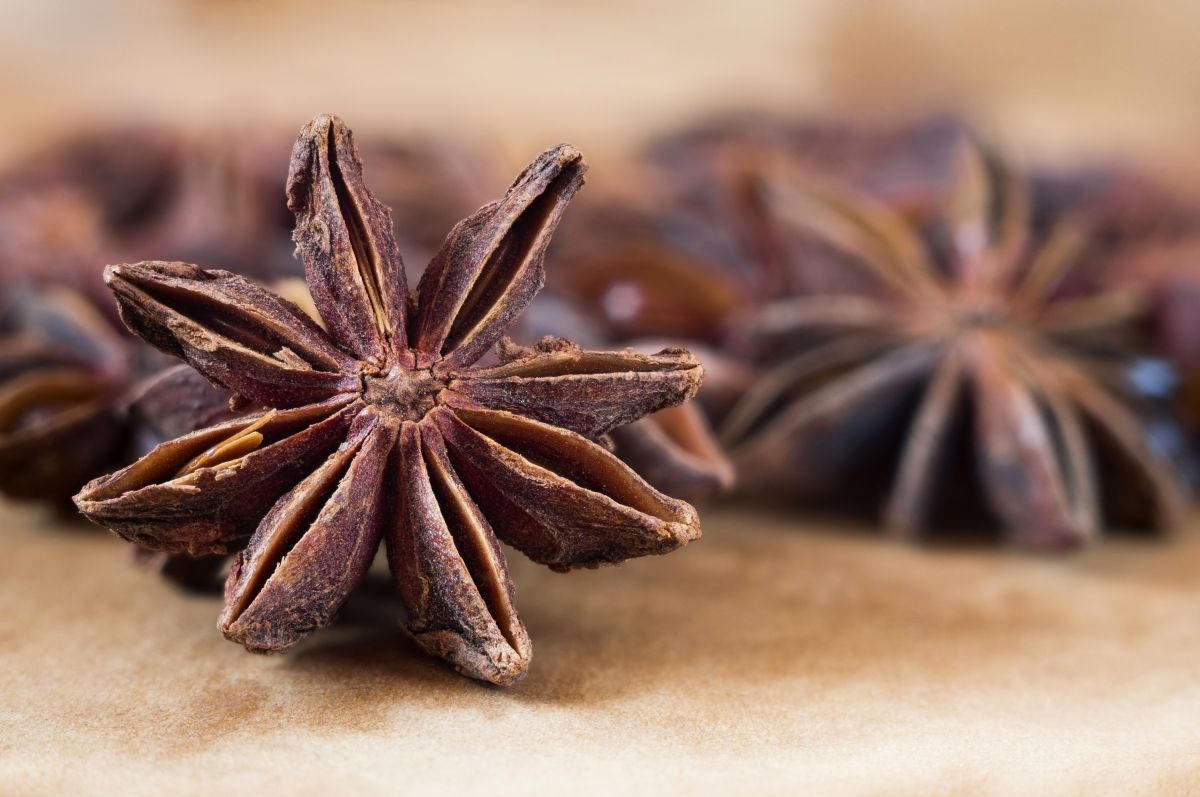
Anise seeds are not just a flavorful addition to various dishes; they possess numerous medicinal properties. The seeds are derived from the Pimpinella anisum plant, and their unique flavor and aroma have made them a staple in culinary traditions worldwide. However, their potential benefits extend beyond taste. Research has shown that anise seeds contain compounds that may inhibit the growth of certain bacteria in the mouth, offering an effective alternative for maintaining oral hygiene.
In a world where the quest for natural solutions continues to rise, anise seeds stand out due to their antimicrobial properties. This characteristic makes them particularly useful in combating the bacteria that contribute to dental issues. Incorporating anise seeds into daily routines can not only enhance oral hygiene but also promote overall wellness.
Understanding how to effectively use anise seeds can transform your approach to oral care. This guide will delve into practical applications, common mistakes, the science behind their benefits, and much more. Embrace the potential of this natural remedy to take your oral health to the next level.
How to Use Anise Seeds for Real Results
- Best Form: Whole seeds or ground powder
- Best Time: After meals or before bedtime
- Expected Result: Reduced mouth bacteria and fresher breath
For Daily Protection
The Prep: Gather whole anise seeds, water, and a small saucepan. You may also want to have a strainer and a glass ready for the infusion. This simple setup is all you need to create a powerful mouth rinse that can help eliminate bacteria after meals.
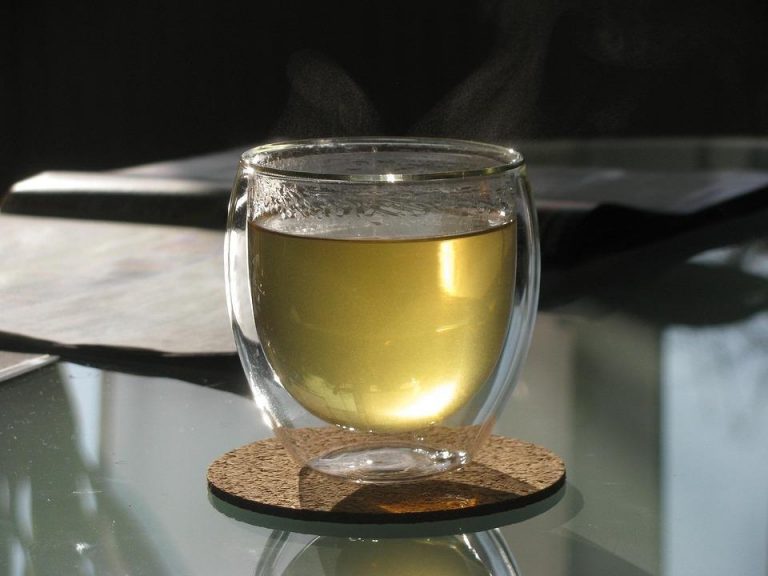
The Action: Start by boiling two cups of water in the saucepan. Once boiling, add a tablespoon of whole anise seeds and let them simmer for about ten minutes. Remove the saucepan from heat and allow it to cool. Strain the mixture into a glass. After meals, use this infusion as a mouth rinse. Swish it around for about 30 seconds before spitting it out.
The Feeling: As you swish the infusion, you may experience a pleasant warmth and a tingling sensation in your mouth. This indicates the active compounds in the anise seeds are working. The freshening effect can last for several hours, leaving you with a clean feeling.
Pro Tip: Prepare a larger batch and store it in the refrigerator for up to a week for easy access.
Targeting Acute Pain
The Prep: You will need ground anise seeds, honey, and warm water. This combination can help soothe any discomfort due to inflammation or irritation in the mouth.
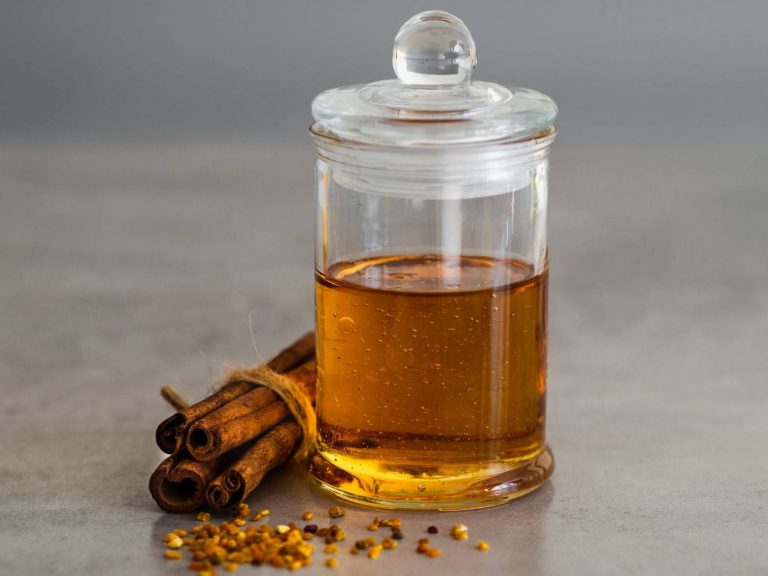
The Action: Mix one teaspoon of ground anise seeds with a teaspoon of honey in a small bowl. Add a few drops of warm water to create a paste. Apply this mixture directly to the affected area in your mouth. Leave it on for about five to ten minutes before rinsing with warm water.
The Feeling: Initially, you might feel a slight cooling sensation from the honey, followed by a soothing effect as the paste sits. The anti-inflammatory properties can help relieve discomfort, and you may notice a reduction in pain shortly after rinsing.
Pro Tip: Use this remedy before bedtime for extended relief overnight.
The Nighttime Routine
The Prep: Gather whole anise seeds, a small pot, and water. This nighttime routine can help maintain oral health while you sleep.
The Action: Boil one cup of water in the pot. Add a teaspoon of whole anise seeds and let it steep for about 15 minutes. After steeping, strain the liquid into a cup. Allow it to cool slightly before using it as a mouth rinse right before bed.
The Feeling: The warm infusion can provide a calming sensation, making it ideal for winding down. You may feel a lingering freshness in your mouth that can last until morning.
Pro Tip: Incorporate this rinse into your nightly routine for optimal results.
Avoiding Common Pitfalls
Using Low Quality Herbs
Using low quality anise seeds can diminish the effectiveness of your oral care routine. Poor quality seeds may lack the essential oils and active compounds necessary for antibacterial action. This can lead to minimal results and wasted effort.
To ensure you are using high-quality seeds, source them from reputable suppliers. Freshness is crucial, so check expiration dates and opt for whole seeds whenever possible. The integrity of the seeds directly impacts the benefits you can expect.
Neglecting Proper Dosage
Overusing anise seeds can lead to adverse effects rather than benefits. Some individuals may mistakenly believe that more is better, leading to excessive consumption that could irritate the mouth or digestive system.
Stick to recommended dosages, especially when using concentrated forms like essential oils. A tablespoon of seeds or a teaspoon of ground seeds is typically sufficient for mouth rinses. Following guidelines ensures you reap the benefits without encountering negative side effects.
Ignoring Allergies
Some individuals may be allergic to anise seeds, experiencing symptoms such as itching or swelling in the mouth. Ignoring these signs can lead to severe reactions and should not be taken lightly.
If you have a known allergy to plants in the Apiaceae family, such as carrots or celery, consult a healthcare provider before using anise seeds. Always perform a patch test if trying a new remedy to ensure safety.
The Science Behind Anise Seeds
Anise seeds exhibit their antibacterial properties through various biological mechanisms. The primary compounds found in anise seeds, such as anethole and estragole, disrupt bacterial cell membranes. This disruption inhibits the growth of harmful bacteria while allowing beneficial bacteria to thrive.
Anethole, the key compound in anise seeds, is recognized for its potent antimicrobial effects. Studies have shown that anethole can effectively kill or inhibit the growth of multiple types of bacteria, including those responsible for oral infections. This makes anise seeds a valuable addition to oral care regimens.
Clinical evidence supports the efficacy of anise seeds against oral bacteria. Research indicates that mouth rinses containing anise extract can significantly reduce bacterial counts in the mouth. For a deeper dive into the scientific studies, visit PubMed for more information.
Choosing the Right Product
– **Potency:** Look for products that specify the concentration of active compounds. Higher potency often correlates with better effectiveness in combating bacteria.
-
Purity: Ensure the product is free from additives and fillers. Pure anise seeds or extracts provide the best results without unwanted substances that could dilute their benefits.
-
Form: Decide whether you prefer whole seeds, ground powder, or extracts. Each form offers distinct advantages, so choose one that aligns with your intended use and personal preferences.
Benefits vs Risks
| The Benefits | Potential Downsides |
|---|---|
| Natural antibacterial properties | Possible allergic reactions |
| Improves oral hygiene | Overuse can lead to irritation |
| Soothes mouth inflammation | Interactions with certain medications |
Habits for Enhanced Oral Health
Incorporating regular dental check-ups into your routine can significantly improve oral health. Professional cleanings and examinations help identify issues early, reducing the risk of severe complications.
Additionally, adopting a balanced diet rich in vitamins and minerals supports oral health. Foods high in calcium and vitamin C can strengthen teeth and gums, complementing the benefits of anise seeds.
Who Should Avoid This?
– Individuals with allergies to anise or related plants
– Pregnant or breastfeeding women without consultation
– People with specific medical conditions, such as hormone-sensitive cancers
– Those taking anticoagulant medications or other specific prescriptions
Common Questions
Can anise seeds help with bad breath?
Yes, anise seeds can help combat bad breath due to their antibacterial properties. Regular use can promote fresher breath.
How often should I use anise seeds for oral care?
Using anise seed rinses after meals or once daily can be beneficial in maintaining oral hygiene.
Are there any side effects of anise seeds?
Some individuals may experience allergic reactions or digestive discomfort. It is essential to monitor your body’s response.
Can I use anise seeds if I am on medication?
Consult your healthcare provider before using anise seeds if you are taking medications, especially anticoagulants.
The Bottom Line
Integrating anise seeds into your oral care routine can offer significant benefits.
- The Truth: While anise seeds are effective, they are not a substitute for regular dental care.
- The Strategy: Use them after meals for optimal results in reducing bacteria.
- The Next Step: Consider pairing this remedy with a balanced diet for enhanced oral health.
Get Your FREE Natural Health Guide!
Subscribe now and receive our exclusive ebook packed with natural health tips, practical wellness advice, and easy lifestyle changes, delivered straight to your inbox.