
Contents
Coffee serves as a morning ritual for many individuals, but the choice between light and dark roast can significantly impact your experience. Each variety has its own unique flavor profile, caffeine content, and health benefits. Understanding these differences can help you select the coffee that aligns with your lifestyle and personal preferences.
Many people struggle with insomnia or anxiety, often unaware that their coffee choice may be influencing their well-being. The caffeine content, along with the roasting process, affects how coffee impacts your body. By making an informed decision, you can enjoy your coffee without compromising your health or daily routine.
This guide will delve into the distinctions between light and dark roast coffee, offering practical insights and scientific explanations. You will discover how these two types of coffee can fit into your lifestyle and wellness practices. The goal is to provide you with a comprehensive understanding that empowers you to choose the coffee that best suits your needs.
Whether you’re looking for a vibrant, fruity taste or a bold, rich flavor, understanding the nuances of light and dark roast will enhance your coffee experience. With this knowledge, you can savor each cup while considering its effects on your mood, energy levels, and overall health.
How to Use Coffee for Real Results
- Best Form: Brewed coffee
- Best Time: Morning or early afternoon
- Expected Result: Enhanced focus and energy
For Daily Protection
The Prep: Start your day with fresh coffee beans. Opt for a light roast if you prefer a brighter flavor. Grind the beans just before brewing for maximum freshness. Use filtered water to enhance the taste and prevent any impurities from affecting your brew.
The Action: Prepare your coffee using a drip coffee maker or pour-over method. Measure one to two tablespoons of ground coffee per six ounces of water. Brew for about four to five minutes. This timing allows for optimal extraction of flavors and caffeine.
The Feeling: After your first sip, you may notice a vibrant burst of acidity and floral notes. This invigorating sensation can last for several hours, providing a sustained energy boost without the jitters often associated with darker roasts.
Pro Tip: Experiment with different brewing methods to find what brings out the best flavors for your palate.
Targeting Afternoon Slumps
The Prep: If you experience a mid-afternoon slump, consider a dark roast to help revive your energy. Choose a blend that appeals to your taste preferences, and grind the beans to a medium-coarse consistency to enhance the brewing process.
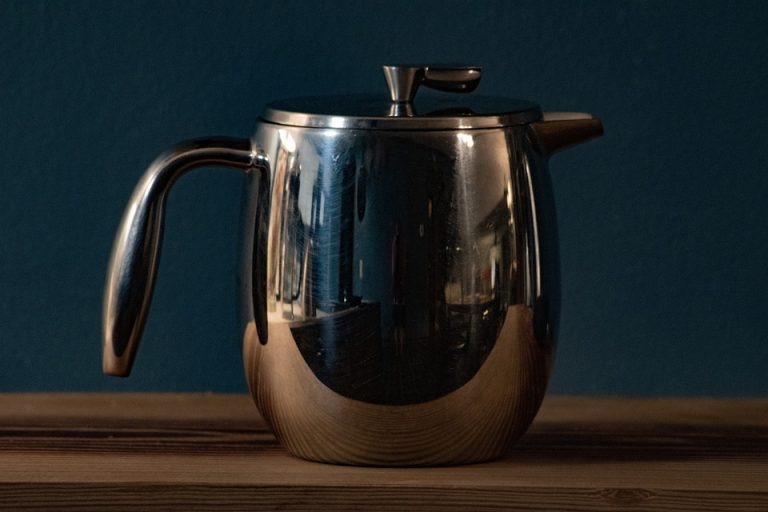
The Action: Brew your coffee using a French press for a fuller flavor. Add one tablespoon of ground coffee for every four ounces of water. Let it steep for about four minutes before pressing down the plunger. This method extracts deeper flavors and oils from the beans.
The Feeling: The first sip will likely reveal a robust, smoky flavor with hints of chocolate. The caffeine from the dark roast provides a quick pick-me-up, helping you feel more alert and focused for the remainder of the day.
Pro Tip: Pair your coffee with a small snack, like a handful of nuts, to maintain stable energy levels.
The Evening Wind Down
The Prep: If you enjoy coffee in the evening, consider a decaffeinated light roast. This allows you to savor the flavor without the stimulating effects of caffeine. Grind your beans finely to facilitate a rich extraction.
The Action: Brew a small cup using an espresso machine or Aeropress. Use one to two tablespoons of ground coffee for a concentrated flavor. Brew for about 30 seconds to one minute, depending on your machine.
The Feeling: This cup will deliver a mellow, smooth taste, perfect for relaxation. You can enjoy the comforting aroma and flavor without worrying about sleeplessness.
Pro Tip: Add a splash of milk or cream to enhance the creaminess of your evening coffee.
Avoiding Common Mistakes
Choosing Low Quality Beans
Selecting low-quality coffee beans can lead to a disappointing experience. Poor beans often result in a flat taste and may contain undesirable compounds. Always opt for high-quality, ethically sourced beans to ensure the best flavor and health benefits.
Investing in quality beans enhances the overall coffee experience. Freshly roasted, high-quality beans are more flavorful and aromatic. They also provide a better caffeine profile, which can improve your energy levels and mood.
Over-Roasting Your Coffee
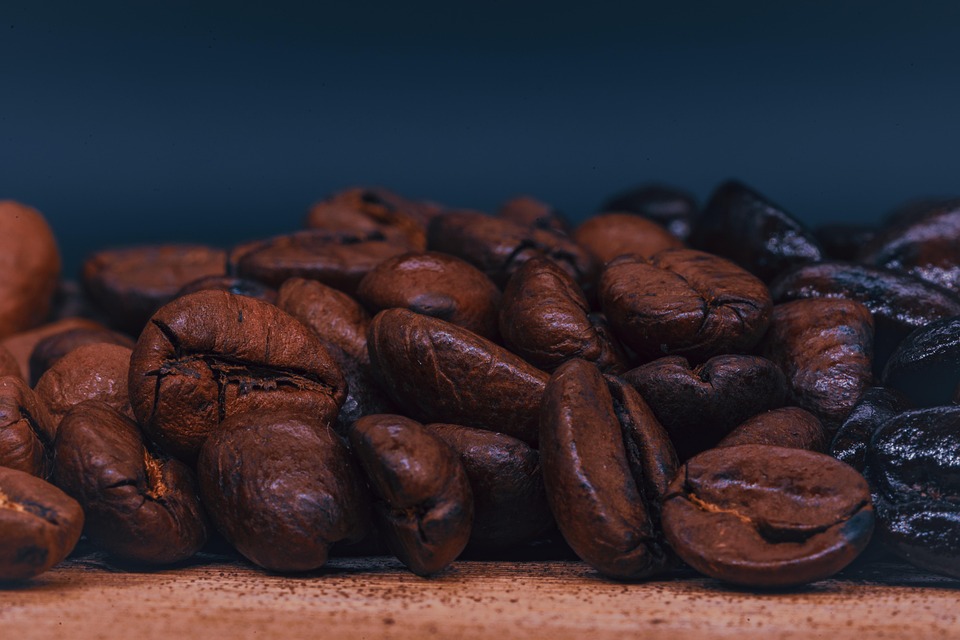
Over-roasting can lead to burnt flavors, masking the natural characteristics of the coffee. Dark roasts may appeal to some, but excessive roasting can diminish the unique flavors that different beans offer.
To avoid this mistake, pay attention to the roast level. Look for coffees that specify their roast profile. This will help you select options that retain their unique flavor notes, whether you prefer light, medium, or dark roasts.
Neglecting Brewing Techniques
Failing to follow proper brewing techniques can result in under-extraction or over-extraction. This can affect the final taste and quality of the coffee. It is essential to use the right grind size, water temperature, and brewing time for the best results.
Familiarize yourself with various brewing methods to discover what works best for you. Adjusting factors like water temperature and brew time can significantly alter the flavor profile, allowing you to enjoy your coffee to its fullest potential.
The Science Behind Coffee
The biological mechanisms of coffee consumption are complex. Caffeine, the primary compound in coffee, acts as a central nervous system stimulant. It blocks adenosine receptors, which helps reduce feelings of fatigue and increases alertness. This is why many people rely on coffee to kickstart their mornings.
Key compounds in coffee include chlorogenic acids and antioxidants. These compounds have been linked to various health benefits, including improved metabolic function and reduced inflammation. Light roasts generally contain higher concentrations of these beneficial compounds compared to dark roasts due to less degradation during the roasting process.
Research suggests that coffee consumption may lower the risk of certain diseases. A study published in the journal “Nutrients” found that moderate coffee consumption is associated with a reduced risk of cardiovascular disease and type 2 diabetes. For more detailed findings, you can refer to this PubMed article.
Choosing the Right Product
– **Potency:** Consider the caffeine content when selecting coffee. Light roasts typically have a higher caffeine concentration per volume than dark roasts, which can influence your energy levels throughout the day.
-
Purity: Look for organic and ethically sourced beans. This ensures that you are consuming a product free from harmful pesticides and chemicals, contributing to overall wellness.
-
Form: Decide between whole beans and pre-ground coffee. Whole beans retain freshness longer, while pre-ground coffee offers convenience. The form you choose can affect the quality and flavor of your brew.
Benefits vs Risks
| The Benefits | Potential Downsides |
|---|---|
| Improved alertness and focus | Potential for insomnia if consumed late |
| Rich in antioxidants | May cause digestive discomfort in some |
| Variety of flavors to explore | High caffeine intake can lead to anxiety |
Habits That Enhance Your Coffee Experience
Incorporating mindfulness into your coffee ritual can enhance the experience. Take a moment to savor the aroma before your first sip. This mindful approach allows you to appreciate the complexity of flavors in your coffee.
Pairing coffee with a balanced breakfast can optimize its benefits. Protein and healthy fats can stabilize blood sugar levels, preventing the jitters that sometimes accompany caffeine consumption.
Who Should Avoid This?
– Pregnant individuals
– People with anxiety disorders
– Individuals sensitive to caffeine
– Those with certain heart conditions
Common Questions
Is light roast coffee stronger than dark roast?
Light roast coffee typically has a higher caffeine content per volume compared to dark roast. However, dark roast coffee has a bolder flavor.
Does coffee cause dehydration?
Moderate coffee consumption does not lead to dehydration. It may contribute to your daily fluid intake.
Can I drink coffee if I have anxiety?
Individuals with anxiety may want to limit their caffeine intake, as it can exacerbate symptoms.
How should I store coffee beans?
Store coffee beans in an airtight container in a cool, dark place to maintain freshness and flavor.
The Bottom Line
Choosing between light and dark roast coffee ultimately depends on your personal preferences and health considerations.
- The Truth: Both types of coffee have unique benefits and drawbacks.
- The Strategy: Experiment with different roasts and brewing methods to find what works best for you.
- The Next Step: Make coffee a mindful ritual that enhances your daily routine.
Get Your FREE Natural Health Guide!
Subscribe now and receive our exclusive ebook packed with natural health tips, practical wellness advice, and easy lifestyle changes, delivered straight to your inbox.