
Contents
Calmness often eludes us in our fast-paced world. Anxiety and insomnia frequently disrupt our lives, leaving us feeling overwhelmed and fatigued. Many people seek solutions in pharmaceuticals, but natural alternatives can be effective without the side effects. Ylang ylang essential oil emerges as a compelling option, known for its calming properties and ability to promote relaxation.
The use of essential oils has gained popularity in recent years, especially among those interested in holistic wellness. Ylang ylang, derived from the flowers of the Cananga odorata tree, is particularly revered for its sweet, floral aroma and therapeutic benefits. Its ability to soothe the mind and body can be a game-changer for individuals struggling with stress and anxiety.
Understanding the mechanisms behind ylang ylang’s calming effects is essential for maximizing its benefits. This guide will delve into specific applications, common pitfalls, and the science supporting ylang ylang’s efficacy. By the end, you will be equipped with practical knowledge to incorporate this essential oil into your daily life effectively.
The journey to calming your mind naturally starts here. Embrace the potential of ylang ylang essential oil to reclaim your peace of mind and improve your overall well-being.
How to Use Ylang Ylang for Real Results
- Best Form: Aromatherapy diffuser or diluted topical application
- Best Time: Evening or during moments of high stress
- Expected Result: Reduced anxiety and improved relaxation
Creating a Calming Atmosphere
The Prep: Gather an essential oil diffuser, water, and ylang ylang essential oil. Ensure your diffuser is clean and ready for use. Measure out the recommended amount of water, usually about 100 mL, depending on your diffuser’s capacity.
The Action: Fill the diffuser with water and add about 5 to 10 drops of ylang ylang essential oil. Turn on the diffuser and allow the gentle mist to fill the room. Sit comfortably in the space as the calming aroma envelops you.
The Feeling: As the scent disperses, you may begin to feel a sense of tranquility wash over you. The floral notes can create a serene environment, helping to ease tension. This calming effect typically lasts for several hours, providing a soothing backdrop for relaxation or sleep.
Pro Tip: For enhanced effects, combine ylang ylang with lavender essential oil in the diffuser.
Topical Application for Stress Relief
The Prep: Collect a carrier oil such as coconut or jojoba oil, ylang ylang essential oil, and a small glass roller bottle. Mixing the essential oil with a carrier oil is essential to avoid skin irritation.
The Action: In a small bowl, blend 2 to 3 drops of ylang ylang with about a teaspoon of the carrier oil. Use a dropper to transfer the mixture into the roller bottle. Apply the blend to pulse points like your wrists or behind your ears, where the scent can be easily inhaled.
The Feeling: Upon application, you may feel a warming sensation as the oil absorbs into your skin. The aroma will linger, providing ongoing comfort. Users often report feeling lighter and more centered within minutes of application.
Pro Tip: Use this blend before bedtime to promote a restful night’s sleep.
Incorporating into Bath Rituals
The Prep: Gather your bath essentials, including a warm bath, Epsom salts, and ylang ylang essential oil. A relaxing bath can significantly enhance the calming effects of the essential oil.
The Action: Start by filling your bathtub with warm water. Add half a cup of Epsom salts to the water, which can help relax muscles. Pour in 5 to 10 drops of ylang ylang essential oil. Stir the water to ensure even distribution of the oil.
The Feeling: As you soak, the floral scent will rise, enveloping you in a comforting embrace. The warmth of the water combined with the essential oil can lead to deep relaxation, easing both physical and mental tension. This experience can last throughout your bath and linger even after you exit.
Pro Tip: Light candles or play soft music to enhance the ambiance.
Common Mistakes to Avoid
Using Low Quality Oils
Using low-quality ylang ylang oil can negate its benefits. Many oils on the market are diluted or contain synthetic additives that can diminish their therapeutic properties. Always opt for 100 percent pure essential oils from reputable sources.
To ensure quality, look for oils that have undergone third-party testing. Brands that provide transparency about their sourcing and extraction methods tend to offer higher quality products. Investing in pure oils will yield better results and enhance your overall experience.
Neglecting Dilution Guidelines
Applying undiluted essential oils directly to the skin can cause irritation or allergic reactions. Ylang ylang, while beneficial, must be diluted in a carrier oil before topical application.
Follow recommended dilution ratios to ensure safety. A general guideline is to use one part essential oil to three parts carrier oil. This precaution will help you enjoy the benefits without adverse effects.
Overusing the Oil
More is not always better when it comes to essential oils. Overuse of ylang ylang can lead to headaches or nausea due to its potent fragrance.
Stick to recommended dosages, whether you are using it in a diffuser or for topical application. Moderation is key to achieving the desired calming effects without experiencing overwhelming sensations.
The Science Behind Ylang Ylang
Ylang ylang essential oil interacts with the body through its aromatic compounds, primarily linalool and linalyl acetate. These compounds have been shown to influence the nervous system. They can help lower heart rates and reduce blood pressure, promoting a state of relaxation.
The key compound, linalool, is known for its anxiolytic properties. Research indicates that linalool can modulate neurotransmitter levels, particularly serotonin and dopamine. This modulation can improve mood and alleviate feelings of anxiety.
Clinical studies support the calming effects of ylang ylang. One study published in the journal Frontiers in Pharmacology shows that inhalation of ylang ylang essential oil significantly reduced anxiety levels in participants. For further reading, visit this link for a comprehensive overview of the research.
Choosing the Right Product
– **Potency:** Higher potency oils often provide more significant benefits. Ensure you select oils that contain a high concentration of active compounds for optimal effects.
-
Purity: Look for oils labeled as 100 percent pure. This guarantees that you are receiving the full benefits without harmful additives that can dilute the therapeutic effects.
-
Form: Choose between essential oil bottles for topical use or larger bottles for diffusing. The form you choose will depend on your intended use, whether for personal care or creating a calming atmosphere in your space.
Benefits vs Risks
| The Benefits | Potential Downsides |
|---|---|
| Promotes relaxation and reduces anxiety. | Can cause skin irritation if used undiluted. |
| Improves sleep quality. | Overuse may lead to headaches. |
| Enhances mood and emotional well-being. | Not suitable for everyone, especially pregnant women. |
Habits for Enhanced Effectiveness
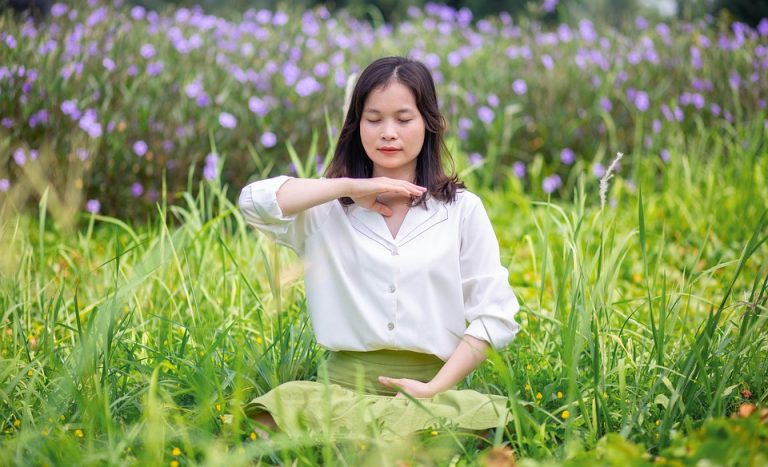
Incorporating mindfulness practices into your daily routine can amplify the calming effects of ylang ylang. Mindfulness meditation can help center your thoughts, making it easier to relax while using the oil.
Another beneficial habit is engaging in regular physical activity. Exercise reduces stress and can enhance the overall effectiveness of ylang ylang by improving your emotional state and increasing your body’s natural ability to relax.
Who Should Avoid This?
– Pregnant or breastfeeding individuals
– Those with known allergies to ylang ylang or similar flowers
– People with sensitive skin or skin conditions
– Individuals taking medications that affect mood or anxiety levels
Common Questions
Can ylang ylang help with sleep issues?
Yes, ylang ylang can promote relaxation and improve sleep quality when used before bedtime.
Is it safe to use ylang ylang on children?
Consult a healthcare professional before using ylang ylang on children, as their skin may be more sensitive.
How long does the calming effect last?
The calming effects can last several hours, depending on the method of application and individual sensitivity.
Can I mix ylang ylang with other essential oils?
Yes, ylang ylang blends well with several oils, including lavender and bergamot, for enhanced relaxation.
The Bottom Line
Incorporating ylang ylang essential oil into your wellness routine can offer significant benefits for calming your mind and body.
- The Truth: Essential oils can vary in quality and effectiveness.
- The Strategy: Use ylang ylang in the evening or during stressful moments for optimal results.
- The Next Step: Consider adding mindfulness practices to enhance your overall experience.
Get Your FREE Natural Health Guide!
Subscribe now and receive our exclusive ebook packed with natural health tips, practical wellness advice, and easy lifestyle changes, delivered straight to your inbox.