
Contents
- How to Use Heavy Lifting for Real Results
- Avoiding Common Heavy Lifting Mistakes
- The Biological Mechanism Behind Metabolic Afterburn
- Choosing the Right Heavy Lifting Equipment
- Evaluating the Pros and Cons of Heavy Lifting
- Complementing Heavy Lifting with Lifestyle Choices
- Who Should Avoid This?
- Common Questions
- Final Thoughts
Many individuals struggle with weight management and metabolism. The common frustration is that traditional cardio workouts seem to yield minimal results. Despite hours spent on the treadmill or elliptical, the scale barely budges. This often leads to feelings of discouragement and a sense of stagnation in fitness journeys. However, there is a powerful alternative to consider: heavy lifting.
Heavy lifting not only builds strength but also significantly enhances metabolic afterburn, a phenomenon known scientifically as excess post-exercise oxygen consumption (EPOC). This process allows the body to continue burning calories long after the workout is over. By incorporating heavy lifting into your routine, you can activate your metabolism and amplify calorie expenditure even during rest periods.
Understanding the mechanics behind heavy lifting and metabolic afterburn is crucial. It is not simply about lifting weights but employing strategies that maximize results. This guide will explore effective heavy lifting techniques, common pitfalls, and the scientific principles that underline this powerful method of boosting metabolism.
Prepare to dive into an evidence-based approach that will transform your understanding of fitness and metabolism. Heavy lifting can be your secret weapon in achieving your weight management goals while enhancing overall fitness.
How to Use Heavy Lifting for Real Results
- Best Form: Barbell or Dumbbell Lifts
- Best Time: 3-4 times a week
- Expected Result: Enhanced metabolic rate and muscle growth
Building Strength with Compound Movements
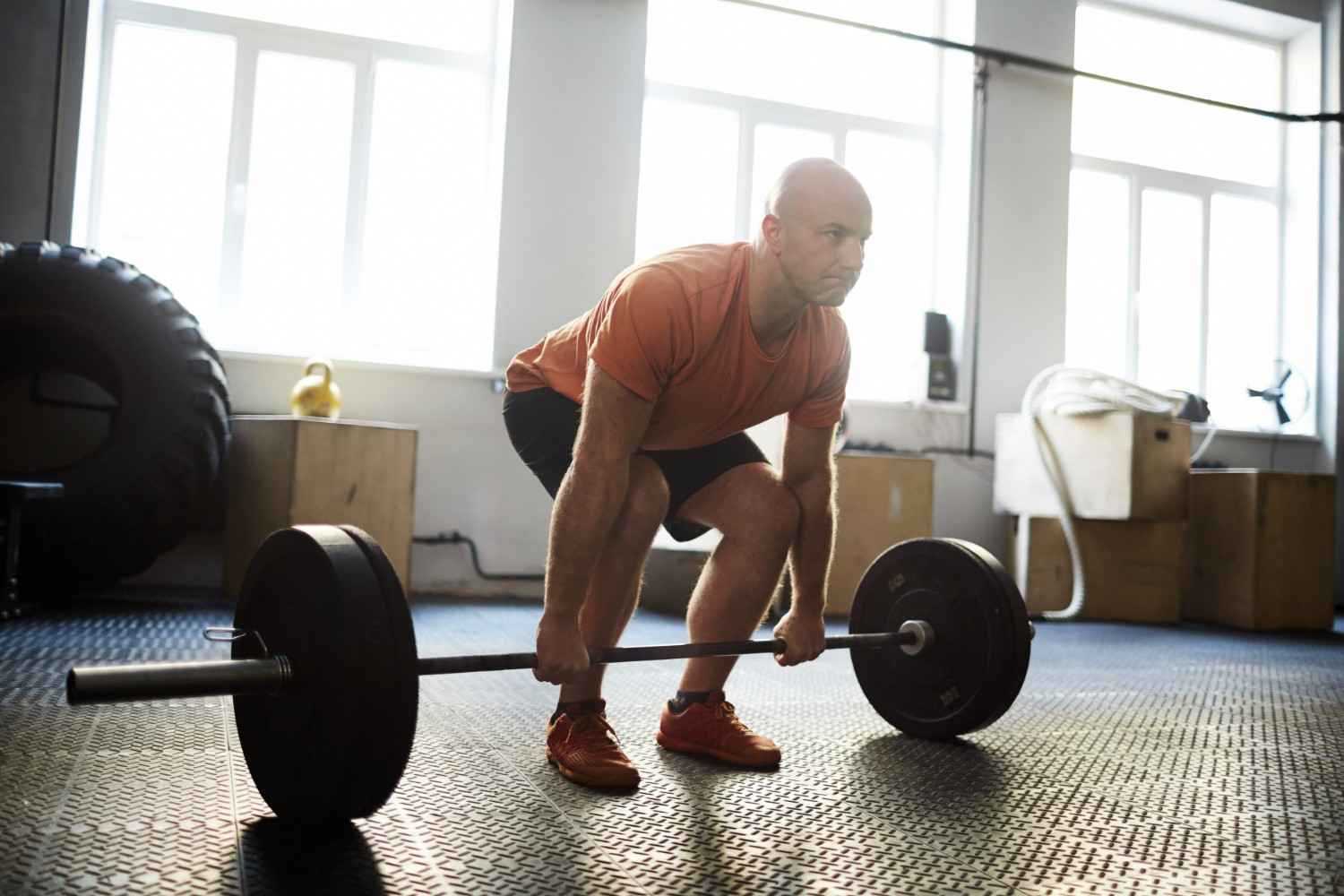
The Prep: Focus on compound lifts such as squats, deadlifts, and bench presses. Gather a barbell and weights appropriate for your fitness level. Ensure you have a stable surface and a spotter if necessary. Warm up with dynamic stretches to prepare your muscles.
The Action: Start with a weight that challenges you but allows for proper form. Perform 3-5 sets of 5-8 repetitions for each lift. Rest for 1-2 minutes between sets. Gradually increase the weight as you become stronger, ensuring you maintain form throughout.
The Feeling: Expect to feel a significant burn in your muscles during the last few repetitions. A sense of accomplishment follows as you complete your sets. This sensation reinforces your progress and motivates you to continue.
Pro Tip: Always prioritize form over weight to prevent injuries.
Incorporating High-Intensity Interval Training
The Prep: Alongside heavy lifting, prepare for high-intensity intervals. Choose exercises like kettlebell swings or battle ropes. Set a timer for intervals of 30 seconds of work followed by 30 seconds of rest.
The Action: After your heavy lifting session, engage in 15-20 minutes of high-intensity intervals. Alternate between heavy lifting and explosive movements. This combination maximizes EPOC and keeps your heart rate elevated.
The Feeling: You will experience a rush of adrenaline during the high-intensity intervals. Expect to feel fatigued yet invigorated as you push your limits, leading to increased calorie burn post-workout.
Pro Tip: Stay hydrated to maintain peak performance during high-intensity intervals.
Optimizing Recovery with Nutrition
The Prep: After your lifting sessions, prepare a protein-rich meal or shake. Choose options high in protein and healthy fats to support muscle recovery.
The Action: Consume your post-workout meal within 30 minutes of finishing your session. Incorporate lean meats, legumes, or protein shakes to replenish nutrients lost during exercise.
The Feeling: You will feel a sense of relief and satisfaction as your body begins to recover. This nourishment supports muscle repair and growth, enhancing the benefits of your heavy lifting routine.
Pro Tip: Consider incorporating a post-workout snack that includes both protein and carbohydrates for optimal recovery.
Avoiding Common Heavy Lifting Mistakes
Neglecting Proper Form
Many individuals prioritize lifting heavier weights over maintaining proper form. This mistake can lead to injuries and hinder progress. Emphasizing quality over quantity is essential.
To rectify this, invest time in learning proper techniques. Consider working with a qualified trainer or watching reputable instructional videos. Practicing with lighter weights until form is perfected ensures a safer lifting experience.
Overtraining Without Adequate Recovery
Overtraining occurs when individuals do not allow sufficient recovery time between heavy lifting sessions. This can lead to fatigue, decreased performance, and even injuries.
To avoid this mistake, schedule rest days and listen to your body. Incorporate active recovery techniques such as light stretching or yoga to promote healing. Balancing intense workouts with recovery is key to sustained progress.
Ignoring Nutrition and Hydration
Some individuals overlook the importance of nutrition and hydration in their lifting routines. Poor dietary choices can derail progress and recovery.
Focus on a balanced diet rich in proteins, healthy fats, and carbohydrates. Hydration is equally important; aim to drink water before, during, and after workouts. Supporting your body with proper nutrition enhances performance and recovery.
The Biological Mechanism Behind Metabolic Afterburn
Heavy lifting triggers various physiological responses in the body. The primary mechanism involves an increase in muscle mass, which elevates resting metabolic rate. As muscles repair and rebuild after intense lifting sessions, the body expends energy, leading to increased calorie burn.
Key compounds involved in this process include hormones such as testosterone and growth hormone. These hormones facilitate muscle growth and repair, contributing to the overall metabolic boost experienced post-exercise.
Research supports these claims. Studies indicate that resistance training can significantly elevate EPOC and metabolic rate for hours following a workout. For further reading, refer to this PubMed search.
Choosing the Right Heavy Lifting Equipment
- Potency: Select weights that challenge your muscles without compromising form.
- Purity: Ensure equipment is made from high-quality materials to prevent injury and enhance performance.
- Form: Choose equipment that suits your lifting style, whether barbells, dumbbells, or kettlebells.
Evaluating the Pros and Cons of Heavy Lifting
| The Benefits | Potential Downsides |
|---|---|
| Increases muscle mass and strength | Risk of injury if performed incorrectly |
| Boosts metabolic afterburn | Requires time and commitment to see results |
| Enhances overall fitness | May be intimidating for beginners |
Complementing Heavy Lifting with Lifestyle Choices
Incorporating regular sleep patterns can enhance recovery and performance. Aim for 7-9 hours of quality sleep to support muscle repair and hormonal balance.
Engaging in stress-reducing activities such as mindfulness or yoga can also benefit your lifting routine. Reducing stress lowers cortisol levels, positively impacting muscle growth and recovery.
Who Should Avoid This?
- Individuals with pre-existing injuries or chronic pain.
- Those with certain cardiovascular conditions.
- Beginners without proper guidance or training.
Common Questions
How often should I lift heavy weights?
Aim for 3-4 times a week, allowing for recovery days in between sessions.
Can I combine heavy lifting with cardio?
Yes, combining both can enhance overall fitness and fat loss.
What should I eat before lifting?
Consume a meal rich in carbohydrates and protein about 1-2 hours before your workout.
How long should my lifting sessions last?
Sessions typically last between 45 minutes to 1 hour, focusing on intensity rather than duration.
Final Thoughts
Heavy lifting can be a transformative component in your fitness journey.
- The Truth: Progress takes time and dedication.
- The Strategy: Focus on consistency and proper form for best results.
- The Next Step: Incorporate a balanced diet to support your lifting goals.
Get Your FREE Natural Health Guide!
Subscribe now and receive our exclusive ebook packed with natural health tips, practical wellness advice, and easy lifestyle changes, delivered straight to your inbox.