
Contents
In today’s fast-paced world, stress and anxiety have become commonplace. Many individuals struggle with the overwhelming pressures of daily life. This stress can lead to various health issues, including chronic inflammation, which can exacerbate conditions such as heart disease, diabetes, and autoimmune disorders. Finding effective ways to manage stress is crucial for maintaining overall health and well-being.
One powerful yet often overlooked method for alleviating stress is through deep breathing exercises. This simple technique can help calm the mind and body, promoting relaxation and reducing inflammation. When practiced regularly, deep breathing not only provides immediate relief but also contributes to long-term health benefits.
Understanding the science behind deep breathing and its effects on the body can empower individuals to incorporate this practice into their daily routines. The benefits extend beyond mere relaxation; they include improved lung function, enhanced oxygenation of the blood, and a reduction in the stress hormone cortisol. Thus, integrating deep breathing into your life can be a transformative experience.
This guide will delve into the practical applications of deep breathing, the common mistakes to avoid, the underlying science, and how to choose the right techniques for optimal results. With a comprehensive understanding of deep breathing and its benefits, individuals can take proactive steps toward managing stress and inflammation effectively.
How to Use Deep Breathing for Real Results
- Best Form: Diaphragmatic Breathing
- Best Time: Morning and Evening
- Expected Result: Enhanced Relaxation and Reduced Inflammation
For Daily Protection
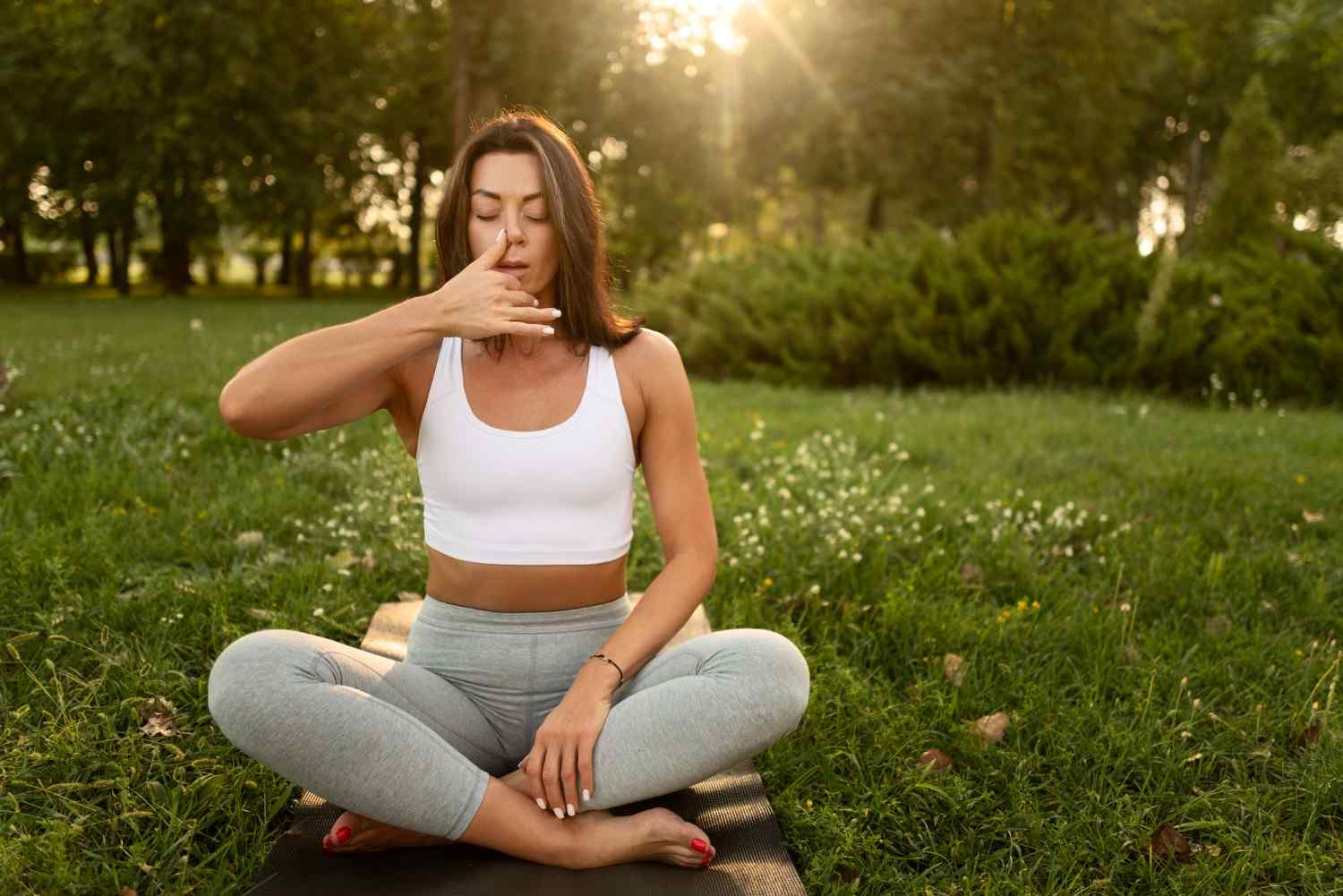
Begin by finding a quiet space where you can sit comfortably. You may want to sit in a chair with your feet flat on the ground or lie down on your back. Close your eyes and place one hand on your chest and the other on your abdomen to feel your breath.
Inhale deeply through your nose for a count of four, allowing your abdomen to rise while keeping your chest relatively still. Hold this breath for a count of four, then exhale slowly through your mouth for a count of six. Repeat this cycle for five to ten minutes, focusing on your breath and letting go of any distractions.
As you breathe, you may feel a sense of calm spreading throughout your body. The initial tension might give way to a warm sensation in your chest and abdomen. This practice can be repeated daily, ideally in the morning and evening, to promote ongoing relaxation.
Pro Tip: Set a reminder on your phone to practice deep breathing at the same times every day to establish a habit.
Targeting Acute Pain
When experiencing acute stress or pain, find a comfortable position, either sitting or lying down. Make sure your environment is conducive to relaxation, free from distractions.
Begin with a few deep, cleansing breaths. Inhale deeply through your nose for a count of four, feeling your abdomen expand. Hold the breath for a count of four, and then exhale slowly through your mouth for a count of six. Visualize the tension leaving your body with each exhale. Continue this for several minutes.
During this practice, you may notice a tingling sensation in your fingers or toes as your body relaxes. This indicates that your nervous system is calming down. The more you practice, the more effective it will become in alleviating acute stress or pain.
Pro Tip: Use this technique during stressful situations, such as before a presentation or after a long day.
The Nighttime Routine
To prepare for a restful night’s sleep, create a peaceful atmosphere in your bedroom. Dim the lights and eliminate any noise distractions. Lie down comfortably, and place your hands on your abdomen.
Inhale deeply through your nose for a count of four, allowing your abdomen to rise. Hold for a count of four, then exhale slowly through your mouth for a count of six. Repeat this cycle while focusing on the rhythm of your breath. Allow any thoughts to drift away.
As you practice, you may feel a cooling sensation as your body relaxes. This technique can help calm an overactive mind, making it easier to fall asleep. Consistent practice will enhance its effectiveness.
Pro Tip: Incorporate a calming scent, such as lavender, to enhance relaxation during your nighttime routine.
Common Errors to Avoid
Rushing Through the Process
Many individuals attempt to rush their breathing exercises, leading to ineffective results. Deep breathing requires time and focus. When rushed, the body does not receive the full benefits of increased oxygen intake.
To avoid this mistake, dedicate a specific time each day to practice deep breathing without distractions. Emphasize quality over quantity; even a few minutes of focused breathing can yield significant results.
Neglecting Posture
Improper posture can hinder the effectiveness of deep breathing. Slouching or hunching over can restrict lung capacity and limit oxygen flow. A proper posture allows for optimal diaphragm movement.
Ensure that you are sitting or lying in a position that supports your back and allows your chest to expand fully. This small adjustment can make a significant difference in the quality of your breathing practice.
Ignoring Physical Sensations
Some individuals overlook the physical sensations associated with deep breathing. Ignoring these signals can prevent you from fully experiencing the benefits of the practice. Paying attention to how your body responds to deep breathing is essential.
Focus on the sensations you feel during each breath. Notice any areas of tension that may release as you breathe deeply. Acknowledging these sensations can enhance your overall experience and effectiveness of the technique.
The Biological Mechanism Behind Deep Breathing
Deep breathing activates the parasympathetic nervous system, which is responsible for the body’s rest and digest functions. This activation reduces the production of stress hormones, such as cortisol, and promotes relaxation. When the body is in a relaxed state, inflammation levels decrease, allowing for better overall health.
During deep breathing, the diaphragm contracts fully, allowing for increased lung capacity. This process enhances oxygen exchange in the blood, which is crucial for cellular repair and function. The more oxygen the body receives, the better it can combat inflammation and promote healing.
Research has shown that deep breathing can significantly lower inflammation markers in the body. For instance, a study published in PubMed demonstrated that regular deep breathing practices led to reduced levels of pro-inflammatory cytokines, contributing to overall health improvements.
Choosing the Right Product
- Potency: Higher potency products may provide quicker and more effective results. Ensuring the product has a concentration that meets your needs is essential.
- Purity: Products free from additives or fillers are more effective and safer for your health. Purity ensures you receive only the active ingredients without harmful substances.
- Form: Choose a form that fits your lifestyle, whether it be capsules, powders, or liquids. The right form can enhance adherence to your regimen.
Pros & Cons
| The Benefits | Potential Downsides |
|---|---|
| Promotes relaxation and reduces stress levels. | Some may find it difficult to focus initially. |
| Improves lung function and oxygenation. | Requires consistent practice for best results. |
| Can lower inflammation markers in the body. | Not a substitute for medical treatment when necessary. |
Habits to Enhance Benefits
Incorporating regular physical activity into your routine can significantly enhance the benefits of deep breathing. Exercise helps to reduce stress levels and improves overall health.
Maintaining a balanced diet rich in anti-inflammatory foods can also support your deep breathing practice. Foods such as fruits, vegetables, nuts, and whole grains provide essential nutrients that further reduce inflammation.
Who Should Avoid This?
- Individuals with severe respiratory issues.
- Those experiencing acute panic attacks without medical guidance.
- People with certain cardiovascular conditions should consult a healthcare provider.
Common Questions
How long should I practice deep breathing?
Starting with five minutes a day is effective. Gradually increase the duration as you become more comfortable with the practice.
Can deep breathing help with anxiety disorders?
Yes, deep breathing has been shown to reduce symptoms of anxiety by promoting relaxation and lowering cortisol levels.
Is it safe to practice deep breathing while pregnant?
Generally, deep breathing is safe during pregnancy. However, consulting a healthcare provider is advisable for personalized guidance.
How quickly can I expect results?
Many individuals report feeling calmer and more relaxed within minutes of practicing deep breathing. Long-term benefits may take weeks of consistent practice.
The Bottom Line
Deep breathing is a powerful tool for managing stress and reducing inflammation.
- The Truth: While beneficial, deep breathing should not replace medical treatment when necessary.
- The Strategy: The best time to practice is both morning and evening for optimal results.
- The Next Step: Incorporate a daily habit of physical activity to enhance the benefits.
Get Your FREE Natural Health Guide!
Subscribe now and receive our exclusive ebook packed with natural health tips, practical wellness advice, and easy lifestyle changes, delivered straight to your inbox.