
Contents
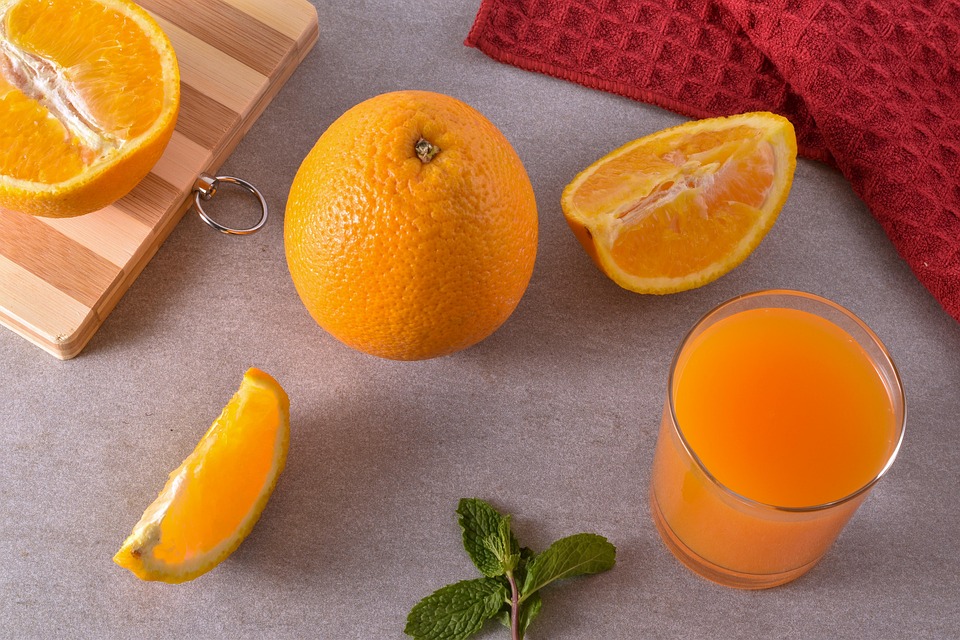
Oranges are often celebrated for their vibrant flavor and refreshing juice. However, their role in supporting joint health is less commonly recognized. Collagen, the most abundant protein in the human body, is essential for maintaining the integrity of cartilage, tendons, and ligaments. As we age, collagen production naturally declines, leading to joint discomfort and reduced mobility. This decline often prompts individuals to seek solutions that can help restore joint health and flexibility. Integrating oranges into your diet could be a delicious strategy to enhance collagen synthesis while enjoying their myriad of health benefits.
The vitamin C content in oranges plays a pivotal role in collagen formation. Vitamin C is a co-factor in the enzymatic processes that stabilize and cross-link collagen molecules, ensuring their strength and resilience. Oranges also provide antioxidants that combat oxidative stress, which can damage joint tissues and accelerate aging. By consuming oranges, you not only boost your vitamin C intake but also contribute to a healthier inflammatory response in the body. This combination may support joint health and reduce the risk of degenerative joint diseases.
Incorporating oranges into your daily routine doesn’t require drastic changes. Simple additions to meals or snacks can make a significant difference. Whether enjoyed as a snack, juiced in smoothies, or included in salads, oranges can easily fit into various dietary preferences. Their versatility allows for creative culinary applications, making it enjoyable to prioritize joint health through nutrition.
Understanding how to effectively use oranges for their health benefits can empower individuals to take proactive steps toward better joint care. The following sections will delve deeper into practical applications and the scientific basis for these benefits, ensuring that you are well-equipped to enhance your well-being through this vibrant citrus fruit.
How to Use Oranges for Real Results
- Best Form: Fresh oranges or freshly squeezed juice
- Best Time: Morning or as a midday snack
- Expected Result: Enhanced collagen synthesis and reduced joint discomfort
For Daily Protection
The Prep: Start with two fresh oranges. Ensure they are ripe and juicy. You will also need a sharp knife and a cutting board for easy preparation. Optionally, gather some spinach and nuts for a balanced salad that complements the oranges.
The Action: Peel the oranges and section them into bite-sized pieces. Combine them with a handful of fresh spinach and a sprinkle of nuts in a bowl. Drizzle with olive oil and a squeeze of lemon juice for added flavor. Toss gently to combine everything.
The Feeling: As you eat, the burst of citrus flavor revitalizes your palate. You may feel an invigorating sense of hydration. The crunch of nuts adds texture, while the spinach provides a satisfying earthiness. This refreshing combination leaves you feeling energized for hours.
Pro Tip: Incorporate a variety of citrus fruits for a broader range of nutrients and flavors.
Targeting Acute Pain
The Prep: Gather two oranges, a blender, and a strainer. You may also want to include ginger for its anti-inflammatory properties. Ensure that the ginger is fresh and peeled.
The Action: Peel and segment the oranges, placing them in the blender. Add a small piece of peeled ginger. Blend until smooth. For a more liquid consistency, strain the mixture to remove any pulp. Serve immediately for maximum freshness.
The Feeling: The juice will feel cool and refreshing on your tongue. The ginger adds a gentle warmth and spice, creating a soothing sensation. This drink not only tastes great but may also provide relief from joint discomfort due to its anti-inflammatory properties.
Pro Tip: Consume this juice after a workout or during flare-ups to maximize its benefits.
The Nighttime Routine
The Prep: Gather one orange and a small bowl of yogurt. Choose plain yogurt with live cultures for added health benefits. You might also want to prepare some honey for sweetness.
The Action: Peel the orange and separate it into segments. In a bowl, combine the orange segments with a serving of yogurt. Drizzle honey over the top if desired. Mix gently to combine the flavors.
The Feeling: As you indulge in this nighttime snack, the creamy yogurt contrasts beautifully with the citrus. The sweetness from the honey rounds out the flavors, making it a comforting treat. This combination may help promote better digestion and restful sleep, crucial for recovery and joint health.
Pro Tip: Opt for Greek yogurt for added protein, which supports muscle repair alongside collagen synthesis.
Avoiding Common Errors
Neglecting Freshness
Using stale or overripe oranges can undermine the potential health benefits. Fresh oranges contain higher concentrations of vitamin C and antioxidants. Stale fruits may have diminished nutritional value and taste. Always choose firm, brightly colored oranges for the best experience. Regularly check your fruit storage and consume them promptly to enjoy their full benefits.
Overlooking Other Nutrients
Focusing solely on oranges may lead to a lack of essential nutrients. While oranges are rich in vitamin C, other vitamins and minerals are crucial for collagen synthesis. Incorporate a variety of fruits, vegetables, nuts, and seeds into your diet to ensure you receive a well-rounded nutrient profile. This diversity is key to overall joint health and effective collagen production.
Ignoring Preparation Methods
How you prepare and consume oranges can impact their health benefits. Juicing can lead to a loss of fiber, which is important for digestive health. Consider eating whole oranges or combining them in recipes where the fiber remains intact. This ensures that you maximize the health advantages while enjoying the full flavor of the fruit.
The Biological Mechanism Behind Joint Health
Collagen is integral to joint health, providing structure and support to cartilage and connective tissues. The synthesis of collagen requires specific amino acids, which are derived from dietary proteins. Vitamin C is essential in this process as it activates enzymes responsible for stabilizing collagen’s triple helix structure. This stabilization is critical for maintaining the strength and integrity of joints.
The primary compound in oranges that contributes to collagen synthesis is vitamin C. Each orange contains a significant amount of this vitamin, which acts as a co-factor in collagen formation. The presence of flavonoids in oranges also supports collagen health by reducing inflammation and oxidative stress. These compounds work synergistically to bolster joint health and overall well-being.
Research supports the role of vitamin C in collagen production and joint health. A study published in the American Journal of Clinical Nutrition highlights the significance of vitamin C intake in maintaining cartilage health. The findings indicate that higher vitamin C consumption is associated with a lower risk of developing osteoarthritis. For further details, refer to the NIH ODS Fact Sheet on vitamin C.
Choosing the Right Product
– **Potency:** Look for oranges that are organic and free from pesticides. Organic produce typically has higher nutrient levels and fewer harmful chemicals. This ensures that you are consuming the most beneficial form of the fruit.
-
Purity: Freshness matters significantly. Opt for whole oranges rather than pre-packaged juices. Juices can contain added sugars and preservatives that diminish health benefits. Whole fruits provide fiber and essential nutrients in their natural state.
-
Form: Fresh oranges are the best choice for maximizing health benefits. Consider seasonal varieties to enjoy different flavors and nutrients. This variety can enhance your diet and provide a broader spectrum of health benefits.
Benefits vs Risks
| The Benefits | Potential Downsides |
|---|---|
| Rich in vitamin C, supporting collagen synthesis. | May cause digestive upset if consumed in excess. |
| Contains antioxidants that combat inflammation. | High acidity may aggravate acid reflux in some individuals. |
| Supports hydration and overall health. | Potential for pesticide residue if not organic. |
Complementary Lifestyle Habits
Incorporating regular physical activity into your routine can significantly enhance joint health. Exercise promotes blood circulation and helps maintain joint flexibility. Aim for low-impact activities, such as swimming or cycling, to reduce stress on the joints while still reaping the benefits of movement.
Prioritizing hydration is another essential habit. Staying well-hydrated aids in maintaining joint lubrication and overall health. Water helps transport nutrients throughout the body, including those that support collagen production. Aim for adequate fluid intake daily to support optimal joint function.
Who Should Avoid This?
– Individuals with citrus allergies.
– Those with a history of acid reflux or gastroesophageal reflux disease (GERD).
– People on certain medications that may interact with high vitamin C levels.
Common Questions
Can oranges help with arthritis?
Oranges may help reduce inflammation associated with arthritis due to their high vitamin C and antioxidant content.
How many oranges should I eat daily?
One to two oranges per day can provide sufficient vitamin C and health benefits without excess sugar intake.
Is orange juice as beneficial as whole oranges?
Whole oranges are generally more beneficial due to their fiber content. Juice lacks some of the beneficial components found in the whole fruit.
Can I take vitamin C supplements instead of eating oranges?
While supplements can help, whole foods provide a complex array of nutrients that work synergistically for better health outcomes.
The Final Thoughts
Incorporating oranges into your diet can significantly enhance your joint health. They provide essential nutrients that contribute to collagen synthesis and overall joint integrity.
- The Truth: Relying solely on oranges may not provide all necessary nutrients.
- The Strategy: Enjoy them as part of a balanced diet for maximum benefit.
- The Next Step: Incorporate other fruits and vegetables to diversify nutrient intake.
Get Your FREE Natural Health Guide!
Subscribe now and receive our exclusive ebook packed with natural health tips, practical wellness advice, and easy lifestyle changes, delivered straight to your inbox.