
Contents
Broccoli stands out as a nutritional powerhouse, yet its impact on brain health is often overlooked. Many individuals grapple with cognitive decline, memory loss, and mood disorders as they age. This growing concern has led to a search for natural solutions that can support mental well-being. Broccoli, rich in antioxidants and essential nutrients, emerges as a promising candidate to enhance brain function and protect against neurodegenerative diseases.
The link between diet and cognitive health has been extensively studied, revealing that certain foods can help mitigate the risks associated with cognitive decline. Broccoli, in particular, is loaded with compounds that may combat oxidative stress, inflammation, and other risk factors linked to brain deterioration. Incorporating this cruciferous vegetable into your diet could be a simple yet effective strategy for enhancing brain health naturally.
Understanding how broccoli contributes to cognitive function requires delving into its nutritional profile. This vegetable is abundant in vitamins C and K, fiber, and a variety of phytonutrients. These components work synergistically to promote optimal brain function and overall mental health. By exploring practical applications, common mistakes, and the science behind broccoli’s benefits, individuals can make informed choices about their dietary habits.
Integrating broccoli into your routine does not have to be complicated. This guide will provide actionable insights into how to make the most of broccoli’s potential for brain health while addressing common pitfalls and emphasizing the scientific backing of its benefits.
How to Use Broccoli for Real Results
- Best Form: Steamed or raw.
- Best Time: As part of lunch or dinner.
- Expected Result: Enhanced cognitive function and improved mood.
For Daily Protection
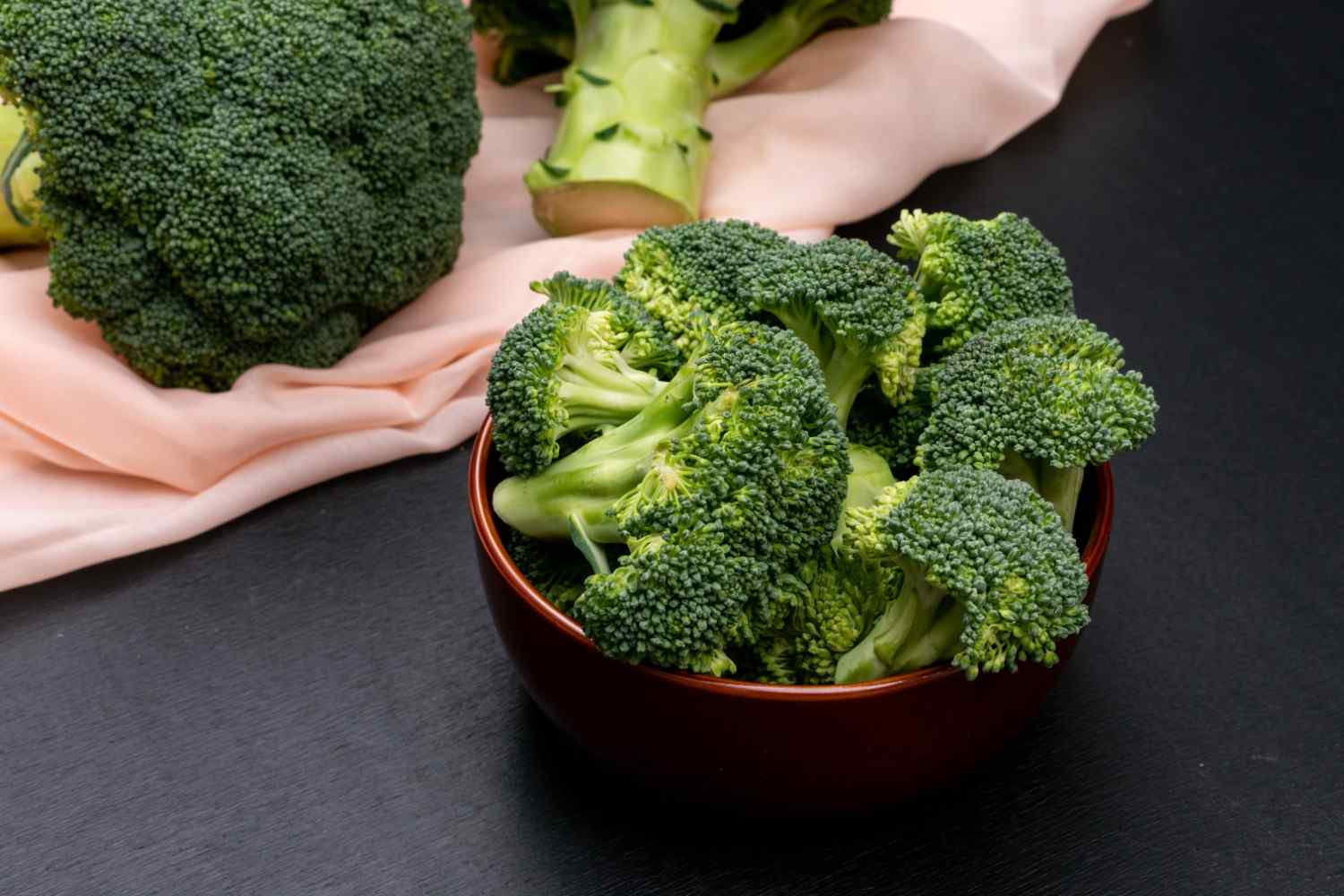
The Prep: Begin by gathering fresh broccoli, olive oil, garlic, and lemon juice. Choose organic broccoli to ensure maximum nutrient density. Rinse the broccoli thoroughly and chop it into bite-sized florets to prepare for cooking.
The Action: Steam the broccoli for about five to seven minutes. This method preserves its nutrients more effectively than boiling. While steaming, heat a tablespoon of olive oil in a pan and sauté minced garlic until fragrant. Once the broccoli is ready, toss it in the garlic oil and add a squeeze of fresh lemon juice for flavor.
The Feeling: Expect a pleasant warmth from the freshly cooked broccoli and a burst of flavor from the garlic and lemon. The combination of textures will feel satisfying, and you may notice a sense of lightness and clarity after consuming it.
Pro Tip: Pair this dish with whole grains or lean protein for a balanced meal that further supports brain health.
Targeting Acute Fatigue
The Prep: Gather your ingredients, including broccoli, quinoa, and spices such as turmeric and black pepper. Quinoa serves as a protein-rich base, complementing the nutrients in broccoli.
The Action: Cook quinoa according to package directions. While it cooks, steam broccoli until tender. In a separate pan, combine turmeric and black pepper in a splash of water to create a paste. Add the steamed broccoli to the pan and stir until evenly coated.
The Feeling: The warmth from the turmeric-infused broccoli will provide a comforting sensation. You may experience an uplifting effect on your mood, as both turmeric and broccoli are known for their anti-inflammatory properties.
Pro Tip: Adding nuts or seeds on top of the quinoa-broccoli mix can enhance the dish’s crunch and nutrient profile.
The Nighttime Routine
The Prep: Gather steamed broccoli, eggs, and spices like paprika and salt. This dish will serve as a nutrient-dense evening meal.
The Action: Whisk eggs in a bowl and season them with paprika and salt. In a non-stick skillet, add steamed broccoli and pour the egg mixture over it. Cook on medium heat until the eggs are set, stirring occasionally.
The Feeling: The creamy texture of the eggs pairs beautifully with the tender broccoli, creating a satisfying meal. Consuming this dish may leave you feeling full yet light, preparing your body for a restful night.
Pro Tip: Consider adding a small amount of cheese for extra flavor and calcium.
Common Pitfalls to Avoid
Choosing Low-Quality Produce
Selecting low-quality broccoli can undermine its health benefits. Broccoli that is wilted or discolored may lack essential nutrients. Freshness matters, as older produce can lose vitamins and minerals over time. Opt for vibrant green florets and avoid those with yellowing.
To ensure you are consuming high-quality broccoli, consider purchasing from local farmers’ markets or organic grocery stores. Fresh broccoli not only tastes better but also contains higher amounts of beneficial compounds.
Overcooking the Vegetable
Overcooking broccoli can diminish its nutrient content, particularly its vitamins and antioxidants. Cooking methods such as boiling can lead to nutrient loss, while steaming is a gentler alternative that retains more beneficial properties.
To preserve broccoli’s nutrients, aim to steam it for no more than five to seven minutes. The ideal texture should be tender yet crisp. This method ensures that you maximize the health benefits while enjoying a delicious vegetable.
Ignoring Variety
Relying solely on broccoli can lead to nutrient deficiencies, as a diverse diet is essential for overall health. While broccoli is a fantastic source of nutrients, it should be part of a broader range of fruits and vegetables.
Incorporate other leafy greens and colorful vegetables into your meals. This approach not only enhances flavor but also promotes a well-rounded nutrient intake. Aim for a rainbow of colors on your plate to ensure you are getting a variety of vitamins and minerals.
The Science Behind the Benefits
Broccoli contains several bioactive compounds that contribute to its protective effects on brain health. One key mechanism involves the vegetable’s high levels of antioxidants, which combat oxidative stress. Oxidative stress is linked to neurodegenerative diseases, making antioxidants crucial for maintaining cognitive function.
A significant compound found in broccoli is sulforaphane. This phytonutrient has been shown to have neuroprotective properties, supporting brain health by reducing inflammation and promoting the body’s detoxification processes. Sulforaphane also plays a role in the production of brain-derived neurotrophic factor (BDNF), which is essential for neurogenesis and synaptic plasticity.
Clinical studies have shown that diets rich in cruciferous vegetables like broccoli can lower the risk of cognitive decline. Research indicates that higher consumption of these vegetables is associated with improved cognitive performance in older adults. For further insights, you can explore more through this PubMed search.
Choosing the Right Product
- Potency: Look for broccoli that is fresh and vibrant. Higher potency vegetables contain more nutrients, which can enhance their health benefits.
- Purity: Opt for organic broccoli when possible. This choice minimizes exposure to pesticides and maximizes nutrient retention.
- Form: Fresh or frozen broccoli retains more nutrients than canned varieties. Choose forms that preserve the vegetable’s integrity for optimal health benefits.
Benefits vs Risks
| The Benefits | Potential Downsides |
|---|---|
| Rich in antioxidants that protect brain cells. | Can cause gas or bloating in some individuals. |
| Contains anti-inflammatory properties. | Excessive consumption may interfere with thyroid function. |
| Supports overall cognitive function. | May lead to nutrient imbalances if consumed in excess without variety. |
Healthy Lifestyle Habits
Maintaining a balanced diet rich in various fruits and vegetables is essential for cognitive health. Pairing broccoli with other nutrient-dense foods ensures a wide range of vitamins and minerals that support brain function.
Incorporating regular physical activity into your routine can enhance the benefits of a healthy diet. Exercise increases blood flow to the brain and promotes the release of beneficial neurotransmitters, further supporting mental clarity and mood.
Who Should Avoid This?
– Individuals with hypothyroidism or thyroid issues should consult a healthcare provider before consuming large amounts of cruciferous vegetables, including broccoli.
– Those with a history of digestive issues may need to limit intake to avoid discomfort.
– Individuals on anticoagulant medications should monitor vitamin K intake, as broccoli is high in this vitamin.
Common Questions
Can broccoli help with memory loss?
Broccoli contains compounds that may enhance cognitive function and protect against memory decline.
Is raw broccoli better than cooked?
Both raw and cooked broccoli offer health benefits. Raw broccoli retains more vitamin C, while cooking can enhance the bioavailability of certain compounds.
How often should I eat broccoli for brain health?
Including broccoli in your diet several times a week can contribute positively to brain health and overall well-being.
Can broccoli be harmful?
In moderation, broccoli is safe for most people. However, excessive consumption may lead to digestive issues or interfere with certain medications.
The Bottom Line
Incorporating broccoli into your diet can significantly enhance your brain health.
- The Truth: While broccoli is beneficial, it should be part of a balanced diet.
- The Strategy: Aim to consume broccoli several times a week, prepared in various ways.
- The Next Step: Experiment with different recipes to make broccoli a staple in your meals.
Get Your FREE Natural Health Guide!
Subscribe now and receive our exclusive ebook packed with natural health tips, practical wellness advice, and easy lifestyle changes, delivered straight to your inbox.