
Contents
Many individuals face challenges related to blood flow, which can manifest as discomfort, fatigue, or even anxiety. This issue often arises from a sedentary lifestyle or prolonged periods of inactivity. When blood circulation slows down, it can lead to various complications, including muscle stiffness and even cognitive impairment. Addressing this concern does not always require complex interventions or medications. Simple yet effective strategies can significantly enhance blood flow and overall well-being.
Stretching is one of the most accessible methods to promote better circulation. Engaging in a regular stretching routine can help stimulate blood flow, improve flexibility, and enhance oxygen delivery to tissues. This practice not only benefits physical health but also supports mental clarity and emotional balance. Incorporating effective stretching techniques into daily routines can lead to noticeable improvements in how one feels.
The key lies in understanding which stretches are most effective for boosting circulation. It is essential to focus on specific muscle groups and movements that encourage blood flow. Each stretch should be performed mindfully, allowing the body to respond and adapt. The positive effects of stretching can be felt immediately, though long-term benefits accumulate with consistent practice.
Emphasizing a holistic approach to wellness means recognizing the interconnectedness of physical activity, mental health, and nutrition. When stretching becomes part of a broader lifestyle strategy, individuals can experience enhanced vitality. This guide will explore various stretching techniques that can boost blood flow naturally, leading to improved health and well-being.
How to Use Stretching Techniques for Real Results
- Best Form: Dynamic and static stretches
- Best Time: Morning and post-exercise
- Expected Result: Increased circulation and flexibility
For Daily Protection
The Prep: Start with a comfortable space where you can stretch without distractions. Wear loose-fitting clothing to facilitate movement. Gather a yoga mat or soft surface for added comfort, and have a timer set for five to ten minutes.
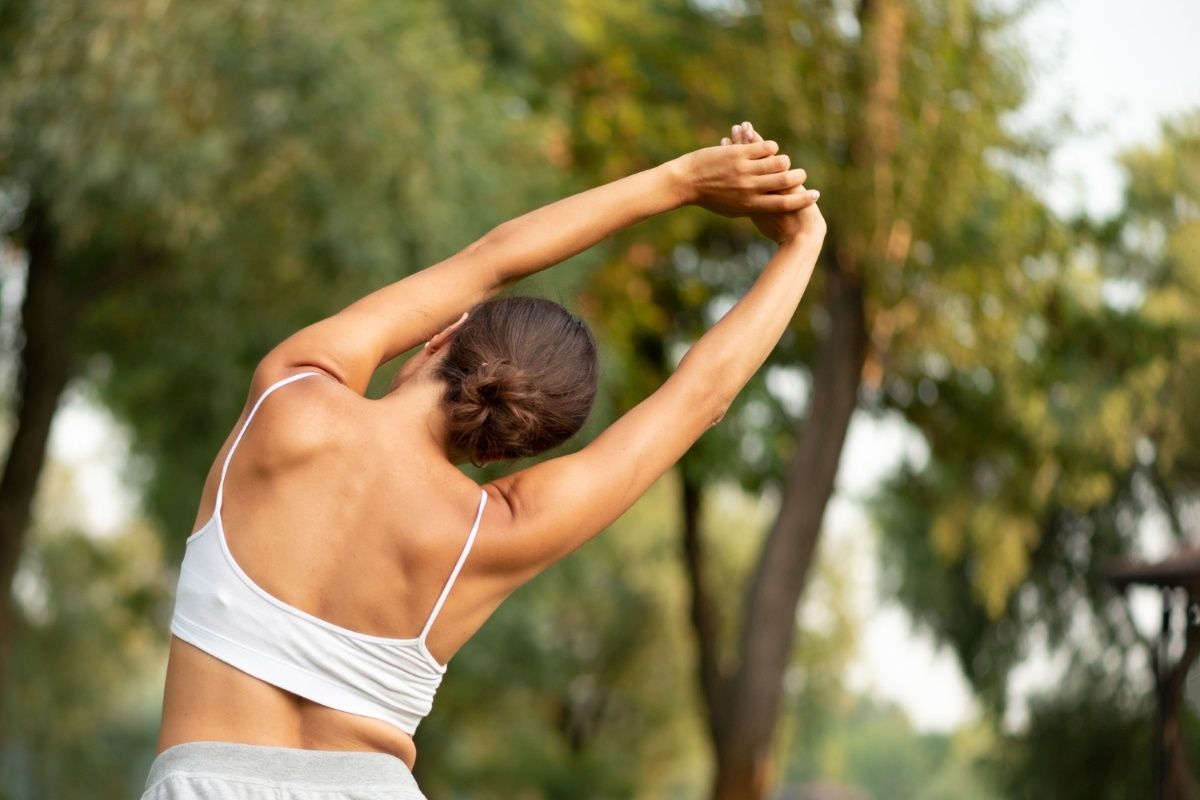
The Action: Begin with gentle neck rolls to release tension. Move into shoulder stretches by reaching one arm across the body and holding it with the opposite arm. Transition into standing forward bends, allowing your arms to hang and your back to relax. Finish with calf stretches by leaning against a wall with one leg extended behind you.
The Feeling: As you stretch, you may feel a pleasant tingling sensation in your muscles. This indicates increased blood flow. The overall duration of this routine should leave you feeling refreshed and more alert.
Pro Tip: Incorporate deep breathing to enhance relaxation and circulation during your stretches.
Targeting Acute Pain
The Prep: Identify areas of discomfort or tightness. Prepare a quiet environment to focus solely on your body. Use a foam roller or massage ball to alleviate any knots before stretching.
The Action: Begin with gentle stretches targeting the affected area. For lower back pain, try pelvic tilts and gentle twists. For tight hamstrings, sit on the floor and reach for your toes, holding the stretch.
The Feeling: You may experience immediate relief as blood flow increases to the affected region. This sensation can last for several hours, providing comfort and improved mobility.
Pro Tip: Keep a consistent stretching schedule to prevent future discomfort.
The Nighttime Routine
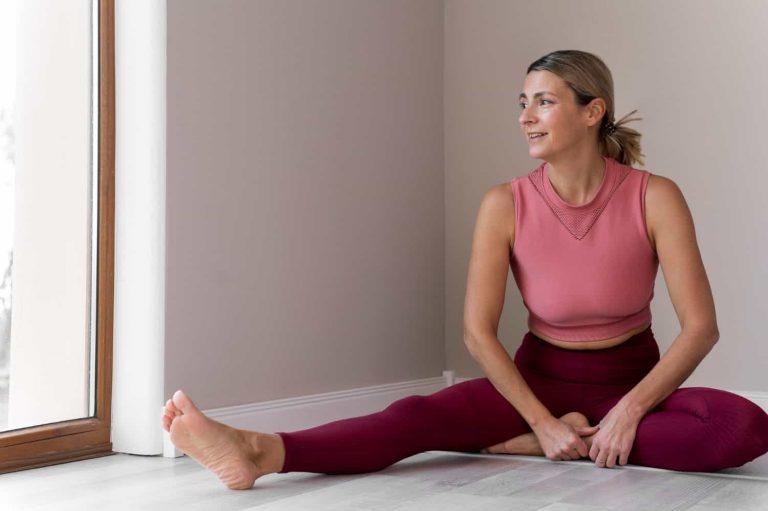
The Prep: Create a calming atmosphere in your bedroom. Dim the lights and consider using calming scents, such as lavender. Have a soft mat or blanket ready for your stretching session.
The Action: Start with a gentle cat-cow stretch to release tension in your spine. Follow this with seated forward bends and gentle twists to promote relaxation. End with a few minutes of lying flat on your back, allowing your body to rest.
The Feeling: As you stretch, you may notice a wave of relaxation washing over you. The calming effect of these stretches can help prepare your body for a restful night’s sleep.
Pro Tip: Aim to stretch at the same time each night to create a soothing bedtime ritual.
Common Errors to Avoid in Stretching
Rushing Through Stretches
To avoid this mistake, focus on slow and deliberate movements. Aim to hold each stretch for at least 15 to 30 seconds. This allows the muscle fibers to lengthen properly and increases blood circulation. Take the time to breathe deeply and feel the stretch in your body. Another common mistake is ignoring the body’s signals during stretching. Pushing through pain can lead to injury rather than the desired benefits. Listening to your body is essential for effective stretching. If a stretch feels uncomfortable or painful, ease off and modify the position. Find a variation that feels good and allows for gentle stretching. This approach ensures that blood circulation improves without risking injury. Some individuals skip warm-up exercises before stretching, which can limit blood flow and flexibility. Warm muscles are more pliable and receptive to stretching, making it essential to prepare the body properly. Incorporate light aerobic activities, such as brisk walking or jumping jacks, before your stretching routine. This increases blood flow to the muscles and enhances performance during stretching. A well-prepared body will yield better results. Stretching promotes blood flow through a combination of muscle contraction and relaxation. When muscles are stretched, they create a temporary increase in blood vessel diameter. This process, known as vasodilation, allows more blood to flow to the muscles and surrounding tissues. Enhanced circulation delivers oxygen and nutrients while removing metabolic waste. Key compounds involved in this process include nitric oxide, which helps regulate blood flow and vascular health. When muscles contract and relax during stretching, they stimulate the endothelium, promoting nitric oxide production. This compound is vital for maintaining healthy blood vessels and ensuring efficient circulation. Research supports the benefits of stretching for circulation. Studies indicate that regular stretching routines can significantly improve vascular function and blood flow. For more detailed findings, refer to PubMed.Ignoring Your Body’s Signals
Neglecting Warm-Up Exercises
The Mechanism Behind Improved Circulation
Choosing the Right Stretching Product
Benefits and Risks
| The Benefits | Potential Downsides |
|---|---|
| Improved blood circulation enhances overall health. | Overstretching can lead to injuries. |
| Increased flexibility supports physical activity. | Not all stretches are suitable for everyone. |
| Regular stretching can reduce muscle tension. | Requires consistency for long-term benefits. |
Healthy Habits to Pair with Stretching
Incorporating hydration into your daily routine can significantly support blood flow. Drinking adequate water ensures that your blood volume remains optimal, facilitating efficient circulation.
Maintaining a balanced diet rich in fruits, vegetables, and healthy fats also complements your stretching routine. Nutrients found in these foods support vascular health and enhance the benefits of improved circulation.
Who Should Avoid This?
- Individuals with recent injuries should consult a healthcare provider before starting a stretching routine.
- Those with certain medical conditions, such as deep vein thrombosis, should avoid intensive stretching.
- People who experience chronic pain or discomfort should seek professional guidance.
Common Questions
How often should I stretch for best results?
Engaging in stretching routines at least three to four times a week can yield significant benefits for blood flow and flexibility.
Can stretching help with anxiety?
Yes, stretching promotes relaxation and reduces muscle tension, which can alleviate anxiety symptoms.
Is it better to stretch before or after exercise?
Dynamic stretches are effective before exercise, while static stretches are better suited for post-exercise recovery.
What is the best time of day to stretch?
Morning and evening stretching sessions can be beneficial, allowing for increased blood flow and relaxation at both ends of the day.
The Bottom Line
Incorporating stretching into your daily routine can significantly enhance blood flow and overall well-being.
- The Truth: Results may take time and consistency.
- The Strategy: Aim to stretch regularly, both morning and evening.
- The Next Step: Commit to a daily hydration and nutrition plan for optimal results.
Get Your FREE Natural Health Guide!
Subscribe now and receive our exclusive ebook packed with natural health tips, practical wellness advice, and easy lifestyle changes, delivered straight to your inbox.