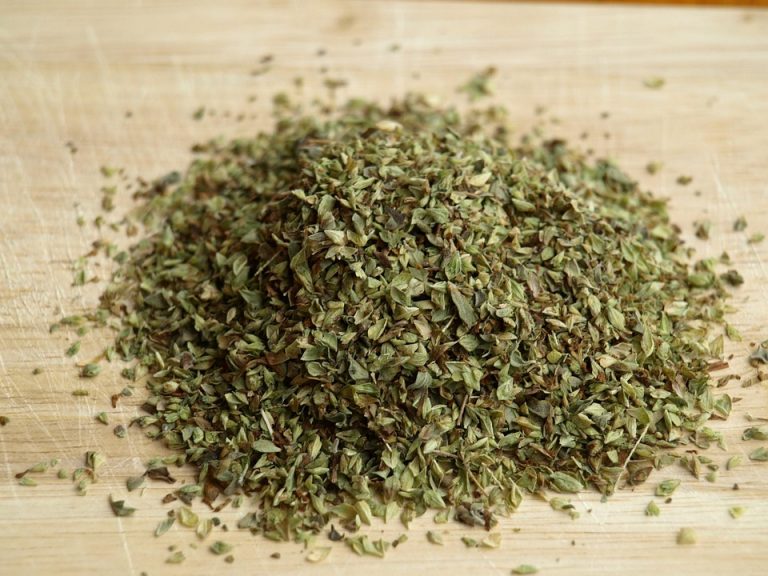

Thyme is more than just a culinary herb. Its properties have been recognized for centuries, particularly in traditional medicine. Eye health is often overlooked, yet it plays a critical role in overall well-being. Many individuals face eye-related issues due to environmental factors, poor diet, and lifestyle choices. The quest for natural solutions to enhance eye health is increasingly popular as more people seek to reduce dependency on pharmaceuticals. Thyme emerges as a powerful ally in this regard, offering a variety of benefits that can be easily integrated into daily routines.
This herb is rich in antioxidants, vitamins, and minerals, all of which contribute to maintaining and enhancing vision. The compounds found in thyme can combat oxidative stress, which is a significant factor in the deterioration of eye health. By understanding how thyme can be utilized effectively, individuals can take proactive steps to preserve their vision and overall eye wellness. This guide delves into seven specific ways that thyme can boost eye health naturally, providing practical applications, scientific insights, and lifestyle tips.
The journey toward improved eye health begins with a deeper understanding of how thyme works at a biological level. By exploring its medicinal properties, individuals can unlock the potential benefits that thyme has to offer. Incorporating thyme into one’s diet or wellness routine is an empowering step toward holistic health. This guide aims to provide comprehensive, actionable information to help anyone looking to enhance their eye health naturally through the power of thyme.
The following sections will outline effective methods to use thyme, common pitfalls to avoid, and the science underpinning its benefits. With this knowledge, individuals can make informed decisions about their eye health while enjoying the flavorful addition of thyme to their diets.
Contents
How to Use Thyme for Real Results
- Best Form: Fresh or dried thyme
- Best Time: Integrated into meals or as a tea
- Expected Result: Enhanced vision and reduced eye strain
For Daily Protection
The Prep: Start by gathering fresh or dried thyme, water, and a small saucepan. If using fresh thyme, rinse it thoroughly to remove any impurities. Dried thyme can be used directly from the container. This preparation ensures that you have the cleanest and most potent form of thyme available for your eye health regimen.
The Action: Boil two cups of water in the saucepan. Once boiling, add a tablespoon of fresh thyme or one teaspoon of dried thyme. Reduce the heat and let it simmer for about ten minutes. Strain the mixture into a cup. This thyme infusion can be consumed once daily to help protect your eyes from oxidative stress.
The Feeling: Upon drinking the thyme infusion, you may experience a soothing warmth that relaxes the body. The subtle earthy flavor can be refreshing. Many find that this drink helps to reduce feelings of fatigue associated with prolonged screen time, lasting for several hours after consumption.
Pro Tip: For added benefits, consider combining thyme with other herbs like chamomile or mint to enhance flavor and health benefits.
Targeting Eye Fatigue
The Prep: Gather fresh thyme, honey, and lemon for an energizing drink. This combination not only aids eye health but also provides a refreshing taste. Ensure all ingredients are ready and within reach for a seamless preparation process.
The Action: Prepare a cup of hot water and steep a tablespoon of fresh thyme in it for about five to seven minutes. After straining, add a teaspoon of honey and a squeeze of lemon juice. Stir well and drink this mixture in the afternoon when eye fatigue is often at its peak, especially after long hours in front of screens.
The Feeling: This invigorating drink can provide a revitalizing effect. The honey adds a touch of sweetness, while the lemon provides a zesty kick. Many report feeling more alert and focused after consuming this mixture, which can help mitigate the symptoms of eye fatigue.
Pro Tip: Consume this drink in the afternoon as a natural pick-me-up, replacing sugary snacks or coffee.
The Nighttime Routine
The Prep: Prepare a calming herbal tea by combining fresh thyme with other sleep-promoting herbs, such as valerian root or lavender. These ingredients work synergistically to promote relaxation and prepare the eyes for a good night’s sleep.
The Action: Boil two cups of water and add a tablespoon of thyme along with a teaspoon of valerian root. Let it steep for about ten minutes. Strain the mixture into a cup and enjoy this soothing tea about an hour before bedtime to help your body wind down.
The Feeling: This calming tea may induce a sense of tranquility, helping to ease the mind and body. The herbal aromas can create a calming environment, preparing both your eyes and mind for restful sleep. Many find that this routine not only aids in eye relaxation but also promotes better sleep quality.
Pro Tip: Create a soothing bedtime ritual by dimming lights and reducing screen time to enhance the effects of the tea.
Avoiding Common Mistakes with Thyme
Using Low-Quality Herbs
Selecting low-quality thyme can significantly diminish its health benefits. Poor-quality herbs may lack the necessary compounds that contribute to eye health. Always opt for organic, high-quality thyme from reputable sources to maximize potency and effectiveness in your wellness routine.
Using fresh thyme is often more beneficial than dried. Fresh thyme retains more of its essential oils and nutrients, making it a superior choice for health applications. Consider growing your own thyme at home to ensure you’re using the freshest herbs available.
Ignoring Preparation Methods
Improper preparation can lead to lost nutrients and diminished benefits. For instance, boiling thyme for too long can destroy its valuable compounds. Always monitor steeping times to ensure you’re extracting the maximum benefits without compromising the herb’s integrity.
Another common mistake is not allowing thyme to steep adequately. A shorter steeping time can result in a weaker infusion. Be sure to follow recommended steeping times for optimal extraction of beneficial compounds.
Overlooking Complementary Ingredients
Focusing solely on thyme without considering complementary ingredients can limit its effectiveness. Combining thyme with other nutrient-rich herbs can enhance its benefits for eye health. Ingredients like chamomile, lemon balm, and even ginger can work synergistically to provide additional protective effects for the eyes.
Failing to incorporate a variety of herbs can lead to a monotonous routine. Explore different combinations to keep your wellness regimen exciting while maximizing the health benefits of thyme.
The Science Behind Thyme’s Benefits
Thyme contains numerous compounds that contribute to its health benefits. Among these, thymol stands out as a potent antioxidant. This compound helps to combat oxidative stress, which is linked to eye diseases such as macular degeneration and cataracts. By neutralizing free radicals, thymol can help preserve eye health and enhance overall vision.
Another key component of thyme is vitamin A. This vitamin is crucial for maintaining healthy vision and preventing night blindness. Thyme is a rich source of beta-carotene, which the body converts into vitamin A. Including thyme in your diet supports the retina’s health and improves overall eye function.
Research supports the positive effects of thyme on eye health. Studies have shown that thyme’s antioxidant properties can reduce the risk of age-related eye diseases. For more detailed information on the benefits of thyme, visit PubMed. This link provides access to numerous studies detailing the herb’s efficacy in promoting eye health.
Choosing the Right Product
- Potency: Higher potency ensures that you’re receiving effective amounts of beneficial compounds. Always check labels for concentration levels.
- Purity: A pure product free from additives and fillers is essential for maximizing health benefits. Look for organic certifications.
- Form: Decide between fresh, dried, or essential oil forms based on your intended use. Each form has unique applications and benefits.
Pros & Cons of Thyme for Eye Health
| The Benefits | Potential Downsides |
|---|---|
| Rich in antioxidants that combat oxidative stress. | Overconsumption can lead to digestive issues. |
| Contains vitamins essential for maintaining healthy vision. | May interact with certain medications. |
| Supports overall eye function and reduces fatigue. | Quality can vary between products. |
Habits to Enhance Eye Health
Incorporate regular breaks from screens into your daily routine. Following the 20-20-20 rule can significantly reduce eye strain. Every 20 minutes, look at something 20 feet away for at least 20 seconds. This simple habit can help maintain eye health and alleviate fatigue.
Maintaining a balanced diet rich in fruits and vegetables can also support eye health. Foods high in antioxidants, such as berries and leafy greens, complement the benefits of thyme and provide comprehensive protection for your eyes.
Who Should Avoid This?
– Individuals with allergies to thyme or related herbs.
– Those on blood-thinning medications should consult a healthcare provider.
– Pregnant or breastfeeding women should seek professional advice before using thyme extensively.
Common Questions
Can thyme help with dry eyes?
Thyme’s anti-inflammatory properties may assist in alleviating dry eyes. However, it is essential to consult a healthcare provider for persistent symptoms.
Is it safe to use thyme essential oil for eye health?
Thyme essential oil should not be applied directly to the eyes. Always dilute it and consult a professional before use.
How often should I consume thyme for eye health?
Incorporating thyme into your daily meals or drinking thyme tea a few times a week can provide beneficial effects.
Are there any side effects of consuming thyme?
Generally, thyme is safe in culinary amounts. Overconsumption may cause digestive discomfort in some individuals.
The Bottom Line
Thyme is a valuable herb for enhancing eye health through its rich nutrient profile and antioxidant properties.
- The Truth: Thyme should be part of a balanced diet, not a sole treatment for eye issues.
- The Strategy: Integrate thyme into meals or teas to maximize its benefits.
- The Next Step: Adopt a balanced diet and healthy screen habits for comprehensive eye care.
Get Your FREE Natural Health Guide!
Subscribe now and receive our exclusive ebook packed with natural health tips, practical wellness advice, and easy lifestyle changes, delivered straight to your inbox.