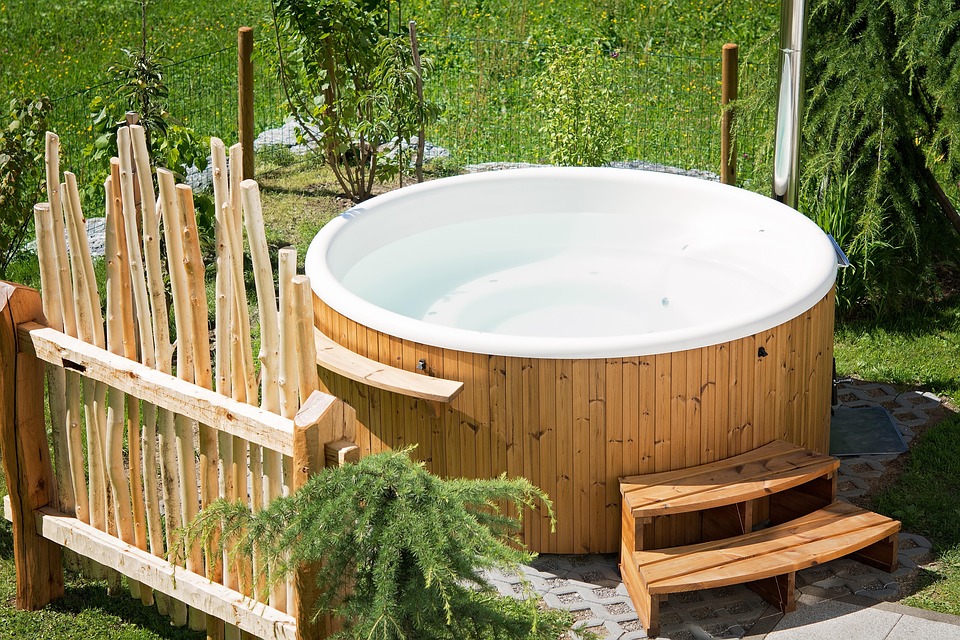

Hot tubs are often associated with relaxation and stress relief. However, their impact on male reproductive health, particularly sperm quality, raises important concerns. Many men enjoy the soothing warmth of a hot tub after a long day. Yet, prolonged exposure to elevated temperatures can potentially affect sperm production and overall fertility. Understanding this relationship is crucial, especially for those trying to conceive or considering their long-term reproductive health.

The male reproductive system is sensitive to temperature changes. Sperm production occurs optimally at temperatures slightly lower than core body temperature. Hot tubs, which typically maintain water temperatures between 100°F and 104°F, can create conditions that may adversely influence sperm health. This guide explores how to navigate hot tub use while considering its effects on sperm health, offering practical insights and actionable advice.
The goal is to empower individuals with knowledge about the potential risks associated with hot tub use and how to mitigate them. This guide delves into the science behind temperature effects on sperm, practical applications for safe hot tub use, common mistakes to avoid, and lifestyle adjustments that can enhance male reproductive health. By understanding these factors, men can make informed decisions that prioritize their well-being.
This comprehensive exploration will equip readers with the necessary tools to enjoy the benefits of hot tubs while being mindful of their reproductive health. The importance of balancing relaxation and health cannot be overstated, especially in today’s fast-paced world.
Contents
How to Use Hot Tubs for Real Results
- Best Form: Limit exposure to hot water.
- Best Time: Short sessions of 10 to 15 minutes.
- Expected Result: Reduced risk of negative effects on sperm health.
For Daily Relaxation
The Prep: Select a hot tub with adjustable temperature settings. Aim for a water temperature around 98°F to 100°F. Gather towels and a timer to monitor your session duration. Prepare your mind for relaxation, ensuring a peaceful environment.
The Action: Enter the hot tub slowly to acclimate your body to the warm water. Set the timer for 10 to 15 minutes. Focus on your breathing and allow your muscles to relax. If you begin to feel overheated, exit the tub immediately and cool down.
The Feeling: As you immerse yourself, you will experience a soothing warmth enveloping your body. The heat can induce a calming sensation, relieving tension and stress. After your session, you may feel rejuvenated and relaxed, with a heightened sense of well-being.
Pro Tip: Stay hydrated before and after your session to help regulate body temperature.
Targeting Muscle Recovery
The Prep: Before your recovery session, gather Epsom salts to enhance relaxation. Set the hot tub temperature to 100°F. Have a water bottle nearby for hydration.
The Action: Soak in the hot tub for 10 to 15 minutes. Focus on the areas of your body that require recovery. Consider gentle stretching while in the water to promote blood flow. Exit the hot tub and hydrate with water or an electrolyte drink.
The Feeling: You will notice a pleasant warmth that penetrates deep into your muscles, easing soreness. The soothing sensation can help alleviate tension and promote relaxation after a workout. Expect to feel lighter and more rejuvenated after your recovery session.
Pro Tip: Incorporate cold water exposure immediately after the hot tub to further enhance muscle recovery.
The Evening Wind Down
The Prep: Create a tranquil atmosphere by dimming the lights and adding calming scents like lavender. Set the hot tub to a comfortable 98°F. Gather a book or calming music for added relaxation.
The Action: Soak in the hot tub for 10 to 15 minutes, focusing on your breathing and letting go of the day’s stresses. Engage in mindfulness or meditation practices while enjoying the warm water. Exit the hot tub and towel off gently before transitioning to a relaxing evening routine.
The Feeling: The warmth will envelop you, promoting a sense of calm and tranquility. You may experience a reduction in anxiety as the soothing heat works its magic. Afterward, expect to feel more relaxed and ready for a restful night’s sleep.
Pro Tip: Consider practicing deep breathing techniques while soaking to enhance relaxation.
Common Errors to Avoid
Overexposing to High Temperatures
Extended exposure to high temperatures can lead to overheating, which may have negative effects on sperm production. Staying in a hot tub for too long can raise core body temperature, potentially impacting sperm quality. The solution is to limit sessions to no more than 15 minutes. This helps maintain optimal conditions for sperm health while still enjoying the relaxation benefits.
Another aspect to consider is the frequency of use. Daily hot tub sessions may not be necessary. Reducing frequency can help mitigate any potential risks associated with temperature exposure. Aim for a balanced approach that prioritizes both relaxation and reproductive health.
Neglecting Hydration
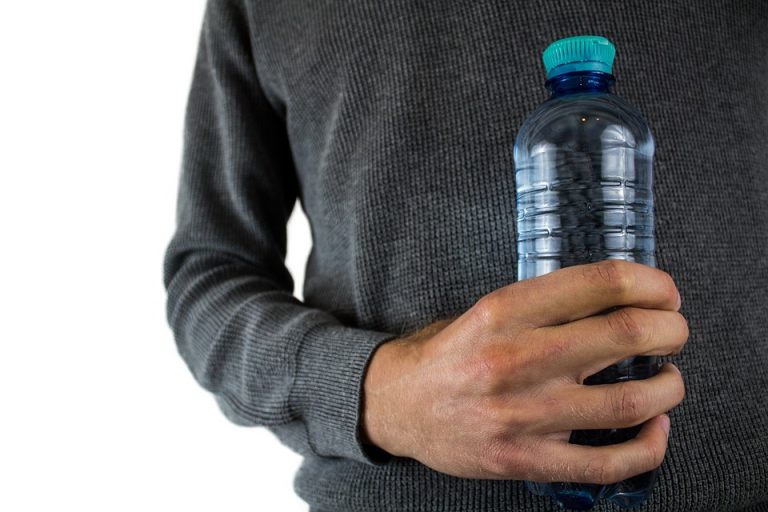
Hydration is crucial when using hot tubs. The warm environment can lead to increased perspiration, causing dehydration. Neglecting to drink water before and after a session can compound the effects of heat exposure. To avoid this mistake, always keep water nearby and take sips throughout your hot tub experience.
Dehydration can exacerbate the negative effects of high temperatures on the body. It is essential to maintain fluid balance to ensure optimal bodily functions, including sperm production. Hydrating properly will support overall health and improve the enjoyment of your hot tub experience.
Ignoring Signs of Discomfort
Listening to your body is vital. Ignoring signs of discomfort while in a hot tub can lead to overheating or other health issues. If you feel dizzy, lightheaded, or excessively hot, exit the hot tub immediately. The solution is to be aware of your body’s signals and to prioritize your health.
Recognizing discomfort early allows for timely action, preventing potential complications. It is essential to adopt a proactive approach to your hot tub sessions, ensuring they remain a source of relaxation rather than a health risk.
The Mechanism Behind Sperm Health
The male reproductive system requires a delicate balance of temperature for optimal sperm production. Sperm cells are produced in the testes, which are located outside the body to maintain a temperature that is slightly cooler than core body temperature. Prolonged exposure to elevated temperatures, such as those found in hot tubs, can lead to decreased sperm production and motility.
Heat negatively impacts sperm development by disrupting the cellular processes involved in spermatogenesis. Elevated temperatures can lead to oxidative stress, resulting in damage to sperm cells. This can ultimately affect fertility, making it essential to manage heat exposure effectively.
Research highlights the significance of temperature regulation in male fertility. Key compounds like heat shock proteins play a role in protecting sperm from thermal stress. These proteins help maintain cellular integrity during temperature fluctuations. For further insights on this subject, refer to the clinical evidence available on PubMed: heat shock proteins and sperm health.
Choosing the Right Product
– **Potency:** Look for products with high potency levels to ensure efficacy. Potency can significantly influence how well the hot tub experience supports relaxation and recovery.
– **Purity:** Ensure that the hot tub water is free from contaminants. Clean water is crucial for a safe and enjoyable soaking experience, preventing skin irritations and other health issues.
– **Form:** Consider the type of hot tub you are using. Portable hot tubs may vary in quality and temperature control. Selecting a reliable model ensures a consistent and safe experience.
Pros & Cons of Hot Tub Use
| The Benefits | Potential Downsides |
|---|---|
| Promotes relaxation and stress relief. | Can elevate core body temperature. |
| May aid muscle recovery after exercise. | Extended exposure can impact sperm health. |
| Enhances social interactions and bonding. | Risk of dehydration if not properly managed. |
Habits to Enhance Wellness
Incorporating regular exercise into your routine can enhance overall health and improve reproductive function. Engaging in physical activity promotes blood circulation and can help maintain a healthy weight, both of which are beneficial for sperm health.
Mindfulness practices, such as meditation or yoga, can significantly reduce stress levels. Lower stress contributes to better hormonal balance, which is essential for maintaining optimal reproductive health.
Who Should Avoid This?
– Individuals with certain medical conditions, such as cardiovascular issues.
– Those who are pregnant or trying to conceive.
– People with skin conditions that may be aggravated by hot water exposure.
– Individuals taking medications that can affect heat tolerance.
Common Questions
How long can I safely stay in a hot tub?
Limit your sessions to 10 to 15 minutes to avoid overheating.
Does hot tub use affect male fertility?
Yes, prolonged exposure to high temperatures can negatively impact sperm production.
Can I use a hot tub while trying to conceive?
Moderation is key. Limit exposure and monitor temperature to minimize risks.
What should I do if I feel overheated in a hot tub?
Exit the hot tub immediately and cool down with water or a cool environment.
The Bottom Line
Understanding the relationship between hot tub use and sperm health is essential for informed decisions regarding reproductive wellness.
- The Truth: Prolonged exposure to high temperatures can negatively impact sperm production.
- The Strategy: Limit hot tub sessions to 10 to 15 minutes and maintain a lower temperature.
- The Next Step: Incorporate hydration and mindfulness practices to support overall well-being.
Get Your FREE Natural Health Guide!
Subscribe now and receive our exclusive ebook packed with natural health tips, practical wellness advice, and easy lifestyle changes, delivered straight to your inbox.