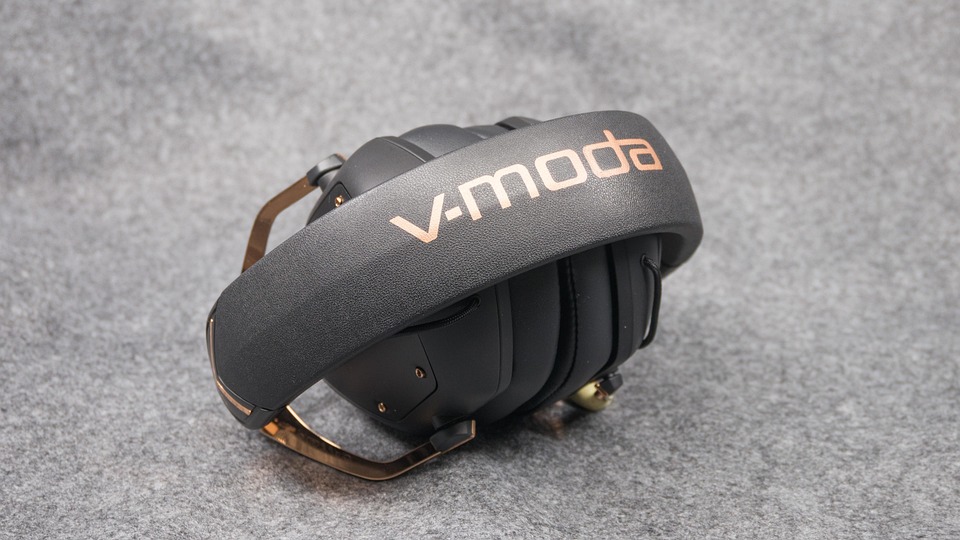

Bone conduction headphones offer a unique solution to a pressing issue faced by many individuals today. Traditional headphones can obstruct sound waves and, in some cases, even lead to hearing damage over time. As more people seek ways to enjoy audio without compromising their auditory health, the rise of bone conduction technology has become increasingly relevant. This innovative approach transmits sound through the bones of the skull, allowing users to listen to music or take calls while still being aware of their surroundings.
The benefits of using bone conduction headphones extend beyond mere auditory pleasure. They provide a safer listening experience, especially for those who are active outdoors or in environments where awareness of external sounds is crucial. This technology is particularly advantageous for athletes and commuters who need to remain vigilant while enjoying their favorite audio content. With the growing concerns about hearing loss and the need for multitasking, bone conduction headphones emerge as a compelling solution.
Understanding the mechanics and advantages of this technology can empower individuals to make informed choices about their audio consumption. This guide aims to explore the practical applications of bone conduction headphones, common mistakes to avoid, the underlying science, and tips for selecting the best product. By the end of this comprehensive overview, you will have a clear understanding of why these headphones matter and how they can enhance your daily life.
The journey into the world of bone conduction technology begins with an exploration of its practical applications. This includes how to effectively use these headphones to achieve real results. From daily routines to specific scenarios requiring heightened awareness, you will discover how to integrate this technology seamlessly into your lifestyle.
Contents
How to Use Bone Conduction Headphones for Real Results
- Best Form: Wireless or Open-Ear Design
- Best Time: During Workouts or Commutes
- Expected Result: Enhanced Awareness and Comfort
For Daily Protection
The Prep involves selecting a comfortable pair of bone conduction headphones designed for everyday use. Ensure they fit securely and are fully charged. Choose a setting where you can enjoy music or podcasts without distractions. This preparation allows you to easily integrate the headphones into your daily life, whether at home or on the go.
The Action starts when you put on the headphones. Connect them to your device via Bluetooth and adjust the volume to a comfortable level. Begin your routine, whether it’s cleaning, working, or commuting. The headphones should allow you to hear your audio clearly while still picking up on ambient sounds around you. This balance is essential for maintaining awareness of your environment.
The Feeling is characterized by a unique sensation as sound travels through your bones. You might notice a slight vibration against your skull, which is entirely normal. Many users report feeling a sense of freedom while using bone conduction headphones, as they can engage with their surroundings without completely isolating themselves. This sensation can last as long as you wear the headphones, making them suitable for extended use.
Pro Tip: Always ensure the volume is at a safe level to prevent any potential hearing damage over time.
Targeting Acute Pain
The Prep involves finding a quiet space where you can focus. Choose your favorite soothing audio, such as calming music or nature sounds. Ensure your headphones are clean and properly functioning, as a good fit is critical for effective sound transmission.
The Action begins with placing the headphones on your temples, ensuring they are snug but comfortable. Play your chosen audio at a moderate volume. This setup can be particularly useful during moments of stress or anxiety, where soothing sounds can help alleviate discomfort. Focus on your breathing as you listen, allowing the audio to wash over you and provide relief.
The Feeling is often described as calming and grounding. The vibrations from the headphones can create a gentle sensation that enhances the listening experience. Users frequently report a decrease in stress levels and an overall sense of well-being during and after their listening sessions. This effect can last for hours, making it a practical tool for daily relaxation.
Pro Tip: Use these headphones in conjunction with mindfulness practices to amplify the calming effects.
The Nighttime Routine
The Prep requires creating a comfortable nighttime environment. Dim the lights and choose calming audio that promotes relaxation, such as sleep stories or ambient sounds. Ensure your headphones are charged and ready for use, as a low battery can disrupt your routine.
The Action involves placing the headphones on your head and connecting them to your device. As you settle into bed, play your chosen audio at a low volume. The headphones will allow you to drift off to sleep while still being aware of any noises in your environment, which can be especially comforting for those who may feel anxious when falling asleep.
The Feeling during this routine is often described as soothing. The vibrations from the headphones can help lull you into a peaceful state, making it easier to transition into sleep. Many users find that they fall asleep faster and enjoy a more restful night when using bone conduction headphones, as they do not create the pressure or discomfort that traditional headphones might.
Pro Tip: Experiment with different audio types to discover what helps you relax most effectively.
Avoiding Common Errors
Selecting Poor Quality Headphones
Choosing low-quality bone conduction headphones can significantly impact your listening experience. Poor sound quality can lead to distortion and discomfort, which defeats the purpose of using this technology. Investing in reputable brands ensures better sound fidelity and comfort.
The solution lies in researching brands and reading user reviews. Look for headphones that are specifically designed for bone conduction technology, ensuring they have a solid reputation for quality. This investment can enhance not only your audio experience but also your overall satisfaction with the product.
Neglecting Fit and Comfort
A common mistake is overlooking the importance of a proper fit. If the headphones are too loose or too tight, they can cause discomfort and affect sound transmission. Users may find themselves adjusting the headphones frequently, which can be distracting.
To avoid this issue, take the time to find a model that fits snugly without causing pain. Many brands offer adjustable options or different sizes. Proper fit enhances the sound quality and allows for extended wear without discomfort.
Ignoring Battery Life
Failing to monitor battery life can lead to interruptions during use. Users may find themselves without music at inconvenient times if they neglect to charge their headphones regularly. This can be frustrating and may detract from the overall experience.
To prevent this, establish a routine for charging your headphones. Consider charging them overnight or during times when you are not using them. This simple habit ensures that your headphones are always ready for use when you need them.
Understanding the Mechanism
Bone conduction technology operates through a distinct biological mechanism. Instead of relying on the eardrum to transmit sound waves, these headphones send vibrations directly to the cochlea via the bones of the skull. This allows users to perceive sound without blocking the ear canal, maintaining awareness of surrounding sounds.
The key compound in this technology is the transducer, which converts electrical signals into mechanical vibrations. These vibrations travel through the skull bones and stimulate the auditory nerve directly. This method of sound transmission is particularly beneficial for individuals with hearing impairments or those who prefer to keep their ears free for environmental awareness.
Clinical studies have shown the effectiveness of bone conduction technology in various applications. Research indicates that it can be advantageous for individuals with specific types of hearing loss. For more detailed insights, refer to the findings available on PubMed.
Selecting the Right Option
- Potency: Ensure the headphones deliver adequate sound levels for your needs. This factor affects your overall listening experience.
- Purity: Look for headphones made from high-quality materials. This impacts comfort and sound quality during use.
- Form: Choose between open-ear designs and more traditional styles. The right form can enhance both comfort and functionality.
Evaluating the Trade-Offs
| The Benefits | Potential Downsides |
|---|---|
| Allows for awareness of surroundings | Sound quality may not match traditional headphones |
| Comfortable for extended wear | Can be more expensive than standard headphones |
| Ideal for outdoor activities | Battery life can vary between models |
Integrating Healthy Habits
Incorporating mindfulness practices into your daily routine can complement the use of bone conduction headphones. Engaging in activities such as meditation or yoga can enhance your listening experience, promoting relaxation and mental clarity.
Maintaining an active lifestyle also pairs well with this technology. Whether running, cycling, or walking, using these headphones allows you to enjoy your favorite music or podcasts while staying alert to your surroundings, fostering a balanced approach to fitness.
Who Should Avoid This?
- Individuals with certain types of hearing loss may not benefit from bone conduction.
- People with sensitive skin may experience discomfort from prolonged use.
- Those who require complete audio isolation for specific tasks may find these headphones less suitable.
Common Questions
What are bone conduction headphones?
Bone conduction headphones transmit sound through the bones of the skull instead of through the eardrum. This method allows users to hear audio while still being aware of ambient sounds.
Are they safe for hearing?
Yes, bone conduction headphones are considered safe for hearing as they do not block the ear canal. This allows for a natural listening experience without the risks associated with traditional headphones.
Can they be used for exercise?
Absolutely. Bone conduction headphones are designed for active use, providing a safe listening experience while allowing users to stay aware of their surroundings.
How do I clean my headphones?
Cleaning bone conduction headphones typically involves wiping them down with a damp cloth. Avoid using harsh chemicals, as they may damage the materials.
The Bottom Line
Bone conduction headphones offer a unique and beneficial audio experience for those seeking safety and comfort.
- The Truth: They may not replace traditional headphones for all users.
- The Strategy: Use them during activities where awareness is crucial.
- The Next Step: Experiment with different audio types to find what enhances your experience.
Get Your FREE Natural Health Guide!
Subscribe now and receive our exclusive ebook packed with natural health tips, practical wellness advice, and easy lifestyle changes, delivered straight to your inbox.