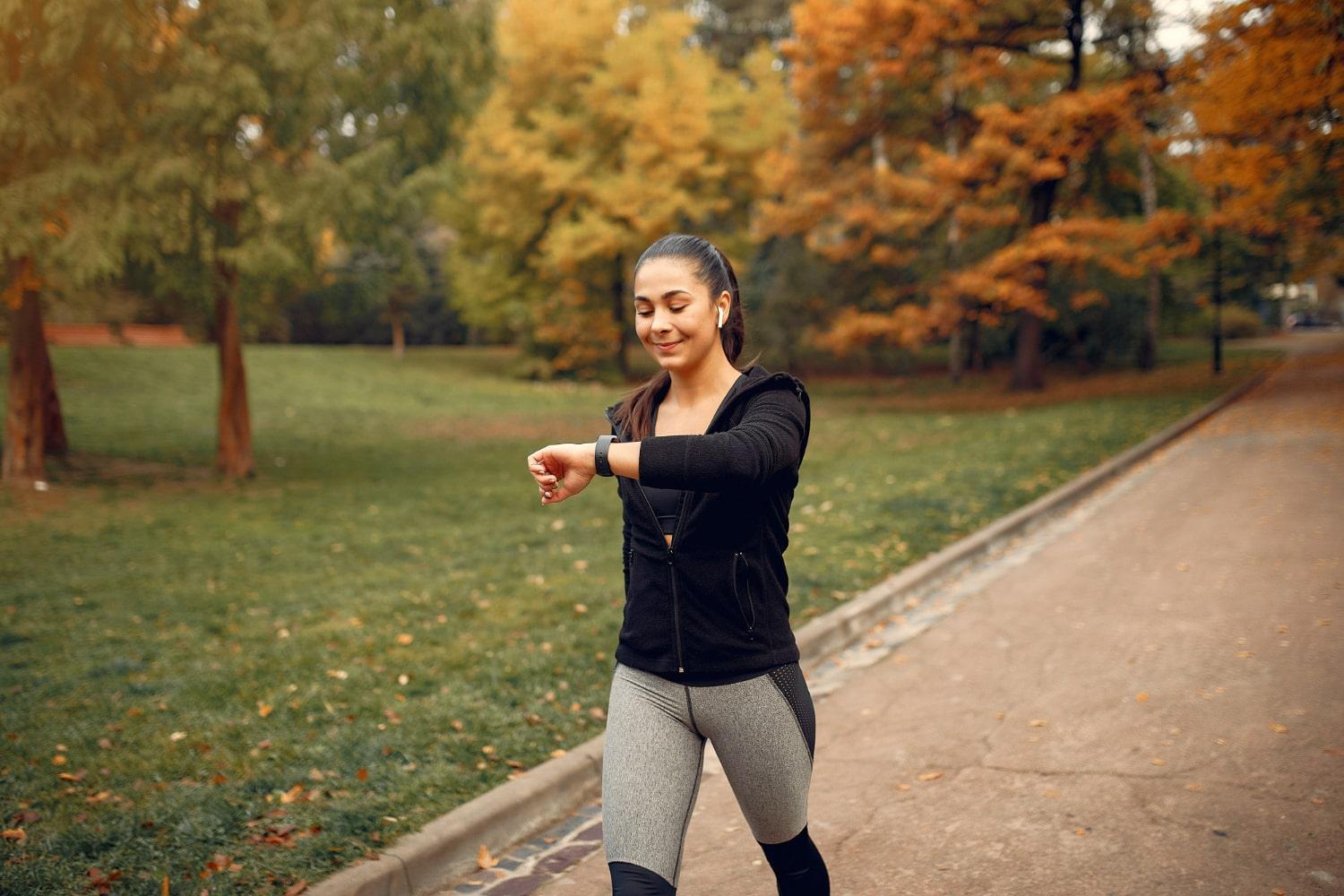

Walking is often underrated as a simple yet powerful tool for health management. Many individuals overlook the profound effect that a brief walk after meals can have on blood sugar levels. This is particularly relevant for those who manage diabetes or prediabetes, as blood sugar spikes can lead to various health complications over time.

Incorporating a post-meal walk into daily routines is not merely about movement. It is about enhancing metabolic function, improving insulin sensitivity, and fostering a healthier lifestyle. This practice is accessible to almost everyone, regardless of fitness level or age, making it an ideal solution to combat the daily challenges of blood sugar management.
Understanding the science behind this habit can motivate individuals to adopt it as part of their lifestyle. The physiological response to walking after meals helps mitigate glucose spikes and promotes better overall health. By focusing on practical applications and the underlying mechanisms, this guide aims to provide comprehensive insights into the benefits of walking after meals for blood sugar control.
Making this small adjustment to daily life can lead to significant long-term benefits. The focus will be on actionable steps, common pitfalls, and the science behind this simple yet effective practice.
Contents
How to Use Walking for Real Results
- Best Form: Walking
- Best Time: 10 to 30 minutes after meals
- Expected Result: Improved blood sugar control
Post-Meal Routine for Enhanced Digestion
The Prep: Begin by choosing a comfortable walking route. Select a flat, even surface, which can be a park, a quiet street, or even around your home. Wear supportive shoes to prevent discomfort. Aim for a time that fits your schedule, ideally right after meals when blood sugar levels tend to rise.
The Action: After finishing your meal, wait for about 5 to 10 minutes to allow your body to start digesting. Then, step outside or walk around your home. Maintain a pace that feels comfortable yet brisk. Walking for 10 to 30 minutes is ideal. Focus on your breathing and enjoy the surroundings.
The Feeling: As you walk, you may feel a gentle warmth spreading through your body. This is your blood flow increasing, which aids digestion. The sensation of lightness and energy can last for several hours post-walk, leaving you feeling revitalized.
Pro Tip: Consider walking with a friend or family member to make the experience more enjoyable and motivating.
Combining Walking with Mindfulness
The Prep: Choose a scenic route that inspires you. Bring along a mindfulness practice, such as deep breathing or gratitude reflections. Make sure you have a watch or a fitness tracker to monitor your time.
The Action: After your meal, take a moment to center yourself. Begin walking slowly, focusing on your breath. As you walk, observe your surroundings—notice the colors, sounds, and scents around you. This combination of movement and mindfulness can enhance the experience significantly.
The Feeling: You may experience a sense of calm and clarity as you walk. The rhythmic movement combined with deep breathing can lead to a feeling of tranquility and reduced stress, which is beneficial for overall wellness.
Pro Tip: Try to engage your senses fully during your walk. This enhances mindfulness and promotes a deeper connection to your body.
Incorporating Family Walks into Traditions
The Prep: Gather your family members and choose a route that suits everyone’s fitness level. Ensure everyone is wearing comfortable clothing and shoes. Set aside time after meals specifically for this family walk.
The Action: After dinner, encourage everyone to step outside together. Walk at a leisurely pace, allowing for conversation and connection. Make this a regular family tradition, perhaps after Sunday dinners or holiday meals.
The Feeling: Family walks can create a sense of togetherness and bonding. You may notice laughter and shared stories, enhancing emotional well-being. The collective movement can foster a sense of unity and promote healthier habits.
Pro Tip: Use this time to discuss everyone’s day. This not only strengthens relationships but also provides a mental break from screens.
Common Errors to Avoid
Neglecting Consistency
Many individuals may attempt to walk after meals sporadically, thinking it will suffice. Inconsistent walking habits can lead to less effective blood sugar control. Regularity is key. Establishing a routine helps the body adapt to improved insulin sensitivity over time.
Aim for daily walks after meals to create a habit. Track your walking days to stay accountable. The more consistent you are, the more significant the health benefits will be.
Walking Too Soon After Eating
Some people may rush to walk immediately after finishing their meal. This can lead to discomfort and ineffective digestion. Allowing a brief pause of 5 to 10 minutes post-meal enables the body to initiate the digestive process before engaging in physical activity.
Waiting allows the stomach to settle. This way, your body can focus on digestion without the added strain of immediate movement. Adjusting this timing can enhance the overall benefits of walking.
Overdoing the Intensity
Another common mistake is walking too fast or pushing oneself too hard after meals. High-intensity activity can lead to discomfort and may counteract the benefits. Instead, aim for a moderate pace that feels comfortable.
Listening to your body is crucial. If you feel fatigued, slow down or take a break. The goal is to facilitate digestion and blood sugar management, not to exhaust yourself.
The Science Behind Walking After Meals
The biological mechanism at play involves the body’s response to movement. Walking stimulates muscle contractions, which helps transport glucose from the bloodstream into the cells. This process reduces blood sugar levels, particularly after meals when glucose levels typically rise.
Key compounds involved in this process include insulin and glucose transporters. Insulin facilitates the uptake of glucose into tissues, while physical activity promotes the action of glucose transporters. This synergy enhances overall metabolic health and helps prevent spikes in blood sugar.
Clinical studies have demonstrated the effectiveness of post-meal walking in managing blood sugar levels. Research indicates that even short walks can lead to significant reductions in postprandial glucose levels. For detailed studies, visit PubMed.
Choosing the Right Approach
– **Potency:** Opt for walking routes that provide a challenge without overwhelming you. Elevated paths can enhance cardiovascular benefits, while flat routes are easier for beginners.
– **Purity:** Ensure that your walking environment is free from pollutants. A clean, natural setting can enhance the health benefits of walking.
– **Form:** Choose the right walking style that fits your lifestyle. Whether brisk walking or leisurely strolls, pick what feels best for you.
Benefits vs Risks
| The Benefits | Potential Downsides |
|---|---|
| Improved blood sugar control | Risk of discomfort if walking too soon |
| Enhanced digestion | Possible fatigue if intensity is too high |
| Increased energy levels | Weather conditions may limit outdoor walks |
Complementary Lifestyle Habits
Incorporating dietary changes can enhance the benefits of walking. Eating balanced meals rich in fiber and healthy fats can stabilize blood sugar levels. This synergistic approach amplifies the effects of walking after meals.
Staying hydrated is crucial as well. Water aids digestion and helps maintain optimal metabolic function. Drinking water before and after meals can enhance the benefits of post-meal walking.
Who Should Avoid This?
– Individuals with severe mobility issues
– Those with recent surgeries affecting movement
– People experiencing acute illness or fatigue
– Individuals with specific cardiovascular conditions without medical clearance
Common Questions
Is walking after meals beneficial for everyone?
Most people can benefit from post-meal walking, but those with specific health conditions should consult healthcare providers first.
How long should I walk after meals?
Walking for 10 to 30 minutes is ideal for optimal blood sugar control.
Can I walk indoors instead of outdoors?
Yes, walking indoors is effective. Utilize hallways or treadmills if outdoor conditions are unfavorable.
What should I wear for walking?
Comfortable, supportive shoes and breathable clothing are recommended to enhance comfort while walking.
The Bottom Line
Adopting a post-meal walking routine can significantly impact blood sugar management and overall health.
- The Truth: Walking alone may not replace other health strategies but is a valuable addition.
- The Strategy: Aim for daily walks after meals, ideally lasting 10 to 30 minutes.
- The Next Step: Start with short walks and gradually increase duration as you feel comfortable.
Get Your FREE Natural Health Guide!
Subscribe now and receive our exclusive ebook packed with natural health tips, practical wellness advice, and easy lifestyle changes, delivered straight to your inbox.