
Chronic inflammation has become a buzzword in health discussions, often linked to various diseases, including heart disease, diabetes, and even cancer. It can be triggered by multiple factors, including diet, lifestyle, and environmental toxins. Many people struggle with the consequences of inflammation without realizing how their daily food choices contribute to this condition. The Mediterranean diet, rooted in the culinary traditions of countries bordering the Mediterranean Sea, offers a rich array of foods that not only tantalize the taste buds but also combat inflammation effectively.
This dietary pattern emphasizes whole foods, healthy fats, and a variety of fruits and vegetables, all known for their anti-inflammatory properties. The focus on plant-based foods, lean proteins, and healthy fats helps to create a balanced meal plan that nourishes the body while reducing inflammatory markers. Incorporating staples from the Mediterranean diet can be a game-changer for those looking to mitigate inflammation and enhance overall wellness.
Understanding the role of specific foods in inflammation can empower you to make informed dietary choices. This guide will delve into the Mediterranean diet’s key components, offering practical applications, scientific insights, and actionable steps to help you harness its benefits. By focusing on these staples, you can take a significant step toward reducing inflammation and improving your health.
Embracing the Mediterranean lifestyle does not require drastic changes; rather, it invites you to savor wholesome foods that nourish both body and mind. Let’s explore how you can utilize these staples effectively to fight inflammation.
Contents
How to Use Mediterranean Diet Staples for Real Results
- Best Form: Fresh and whole foods
- Best Time: Incorporate into daily meals
- Expected Result: Reduced inflammation and improved health markers
For Daily Protection
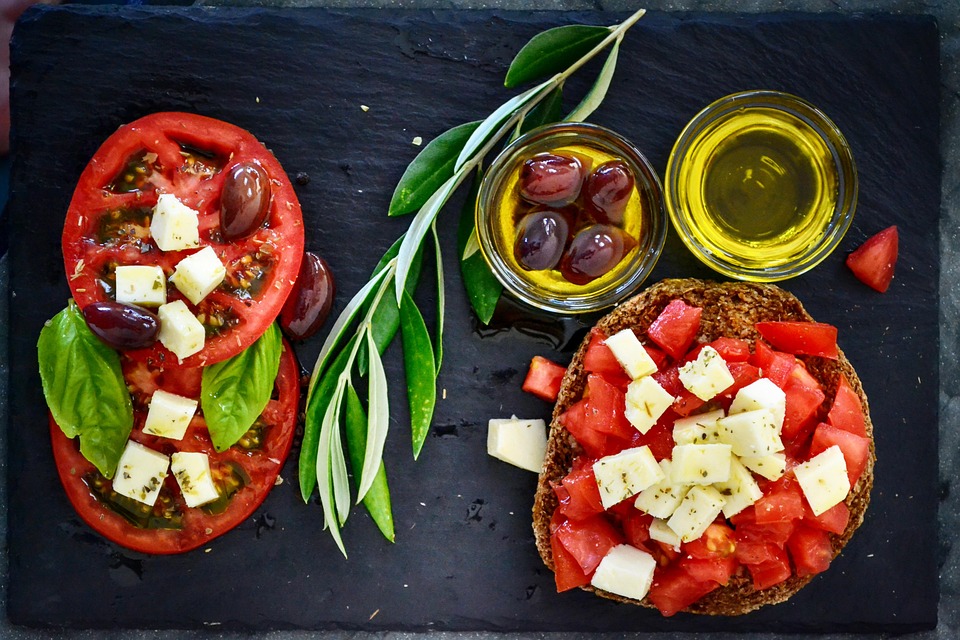
The Prep: Start by gathering fresh vegetables such as spinach, tomatoes, and bell peppers. Include a source of healthy fat like extra virgin olive oil and some whole grains such as quinoa or brown rice. Fresh herbs like basil and parsley can also enhance flavor.
The Action: Toss a salad with spinach, diced tomatoes, and chopped bell peppers. Drizzle with olive oil and sprinkle with herbs. Pair this with a serving of quinoa or brown rice for a complete meal. This combination delivers a powerhouse of nutrients and antioxidants.
The Feeling: Upon eating, you will likely feel energized and satisfied. The fresh vegetables provide a crisp texture, while the olive oil adds a smooth richness. Expect a sense of lightness and vitality that lasts throughout the day.
Pro Tip: Prepare a large batch of quinoa at the beginning of the week for easy meal prep.
Targeting Acute Pain
The Prep: Gather turmeric, garlic, and ginger, all known for their anti-inflammatory properties. Fresh vegetables like carrots and sweet potatoes can serve as a base for your dish.
The Action: Sauté minced garlic and ginger in olive oil until fragrant. Add diced carrots and sweet potatoes, then sprinkle in turmeric. Cook until the vegetables are tender. This dish can be served as a side or a main, depending on your preference.
The Feeling: You may experience a warming sensation as you consume this dish, thanks to the spices. The flavors will be robust, and the comforting warmth can provide relief from discomfort and promote a feeling of well-being.
Pro Tip: Always use fresh turmeric and garlic for maximum potency.
The Nighttime Routine
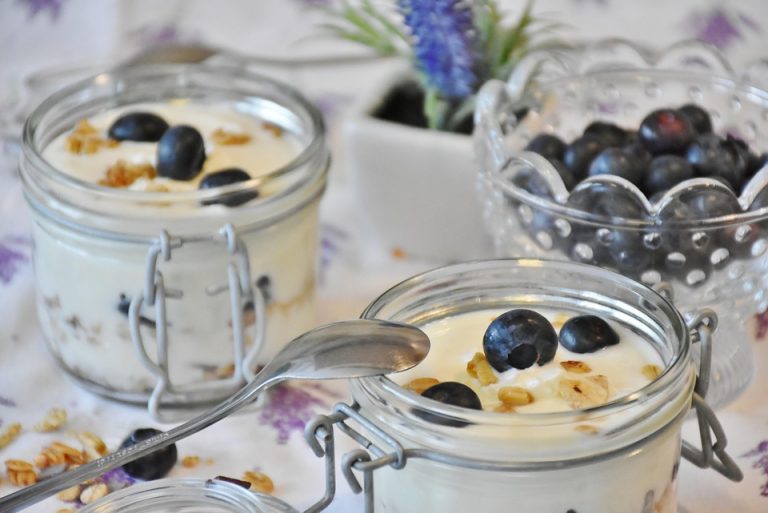
The Prep: Choose a selection of berries, such as blueberries and strawberries, and pair them with Greek yogurt or a dairy-free alternative. Add a sprinkle of nuts for added texture.
The Action: Layer the yogurt with berries and top with a handful of nuts. This simple dessert can serve as a satisfying end to your day while providing antioxidants and healthy fats.
The Feeling: The combination of tart berries and creamy yogurt will create a delightful contrast. You may feel a sense of calm and satisfaction, perfect for winding down before bed.
Pro Tip: Experiment with different berries for variety and additional nutrients.
Common Pitfalls to Avoid
Using Low Quality Oils
Incorporating physical activity into your daily routine can amplify the benefits of the Mediterranean diet. Aim for at least 150 minutes of moderate exercise per week. Mindfulness practices, such as meditation or yoga, can also complement your dietary efforts. These practices help to reduce stress, which is a known contributor to inflammation.
While it offers numerous health benefits, individuals with specific allergies or dietary restrictions should consult a healthcare professional. Many people report feeling better within weeks, but long-term changes may take several months. Moderation is key. You can enjoy your favorite foods while emphasizing Mediterranean staples. Fatty fish like salmon, walnuts, and chia seeds are excellent sources.
Get Your FREE Natural Health Guide!Neglecting Whole Foods
Overlooking Portion Control
The Mechanism Behind Inflammation and Nutrition
Choosing the Right Products
Benefits vs Risks
The Benefits
Potential Downsides
Rich in antioxidants that combat oxidative stress.
Some may experience digestive discomfort from high fiber intake.
Supports heart health through healthy fats.
Cost of fresh, high-quality ingredients can be higher.
Promotes a balanced diet with a variety of nutrients.
Transitioning to this diet may require time and effort.
Healthy Habits for Enhanced Living
Who Should Avoid This?
Common Questions
Is the Mediterranean diet suitable for everyone?
How quickly can I expect to see results?
Can I still enjoy my favorite foods?
What are the best sources of omega-3 fatty acids?
The Bottom Line
Subscribe now and receive our exclusive ebook packed with natural health tips, practical wellness advice, and easy lifestyle changes, delivered straight to your inbox.