
Unveiling the Role of Blueberries for Bone Health
Blueberries, those small, vibrant fruits, hold a significant place in discussions about overall wellness. Often celebrated for their unique taste and versatility, their potential contributions to various bodily systems are regularly explored. We’re now understanding more about how these berries may support certain aspects of structural well being.
For many years, the primary focus of bone health conversations has centered on familiar nutrients like calcium and vitamin D. While undeniably crucial, a broader perspective reveals a complex interplay of various compounds that contribute to the framework of our bodies. Blueberries offer a distinctive profile of these supportive elements.
Examining the specific components within blueberries reveals why they are frequently mentioned in conversations about maintaining general structural integrity. It’s not about a single nutrient but a synergistic blend that makes them a compelling addition to a diet supporting an active lifestyle. This information is educational and not a substitute for medical advice. People with underlying conditions often work with a qualified healthcare professional for personalized guidance.
Reason 1: Anthocyanins Offer Cellular Support
Anthocyanins are the naturally occurring pigments responsible for blueberries’ deep blue and purple hues. These compounds belong to a class of plant chemicals known as flavonoids, widely studied for their diverse properties. Within the context of general cellular health, anthocyanins are often discussed for their supportive qualities.
These plant compounds contribute to cellular equilibrium, which is important for the daily processes occurring throughout the body. While not directly building bone material, supporting healthy cellular environments can be seen as a foundational aspect of overall physiological function. This general cellular support extends to many different tissue types, including those that contribute to the structural framework.
The concentration of anthocyanins in blueberries can vary based on species and ripeness, but they are consistently a primary active compound. Integrating anthocyanin rich foods into one’s dietary patterns is a common approach for people interested in broad spectrum wellness support.
Key Anthocyanin Insights
- Active Compounds: Malvidin, Delphinidin, Cyanidin.
- Discussed Property: Support for general cellular health.
- Associated Action: Contribute to maintaining physiological balance.
Consumption Guidance
To maximize the intake of these compounds, people often consume fresh or frozen blueberries regularly, perhaps as part of a breakfast or snack.
Reason 2: Vitamin K1 and Bone Protein Connections
Vitamin K1, also known as phylloquinone, is a fat soluble vitamin found in a variety of plant foods, with blueberries offering a notable amount. This vitamin is well recognized for its role in the synthesis of certain proteins in the body. These proteins, in turn, are important for various physiological processes, including those that contribute to the integrity of structural components.
One such protein often discussed in the context of bone health is osteocalcin. Vitamin K1 is considered a co factor for the carboxylation of osteocalcin, a process that enables the protein to perform its intended functions. Without sufficient vitamin K1, this carboxylation might be less efficient, potentially impacting the protein’s overall effectiveness within the skeletal system.
It’s important to differentiate between vitamin K1 and K2. While both are forms of vitamin K, K1 primarily comes from plant sources like blueberries and leafy greens, while K2 is often found in fermented foods and animal products. Both play distinct but complementary roles in broader wellness discussions. Research from the National Institutes of Health provides more detail on Vitamin K’s forms and functions.
Key Vitamin K1 Attributes
- Active Compound: Phylloquinone.
- Discussed Property: Supports certain protein synthesis.
- Associated Action: Contributes to general protein function within bones.
Dietary Integration
People can incorporate blueberries into their diet along with other vitamin K rich foods to support overall nutrient intake.
Reason 3: Manganese for Structural Integrity
Manganese is an essential trace mineral that the body requires in small amounts for a wide range of functions. Among its many roles, manganese is a key component of several enzyme systems. Some of these enzymes are involved in the general formation and maintenance of connective tissues, which are integral to the body’s structural framework, including bones.
Specifically, manganese is a co factor for enzymes like prolidase, which contributes to the synthesis of proline, an amino acid vital for collagen formation. Collagen provides the flexible framework of bone, onto which minerals like calcium are deposited. Thus, ensuring adequate manganese intake is often discussed as a way to support these underlying structural processes.
Beyond its role in bone related enzyme systems, manganese also contributes to the function of superoxide dismutase, an enzyme with broad cellular support properties. This dual contribution underscores its importance not just for bone specific processes but for general physiological balance.
Key Manganese Insights
- Active Compound: Manganese (trace mineral).
- Discussed Property: Cofactor for enzymes supporting connective tissue.
- Associated Action: Helps maintain general structural integrity.
Nutritional Emphasis
Including blueberries in a varied diet can help provide a portion of the daily manganese intake that many people aim for.
Reason 4: Vitamin C and Collagen Production
Vitamin C, or ascorbic acid, is a water soluble vitamin renowned for its role in numerous physiological processes. One of its most critical functions is its involvement in the biosynthesis of collagen. Collagen is the primary protein found in connective tissues throughout the body, providing strength and flexibility to bones, skin, tendons, and ligaments.
Within bone tissue, collagen forms a resilient mesh like network that provides flexibility and acts as a binding site for minerals. Without sufficient vitamin C, the body’s ability to synthesize new collagen may be less efficient. This highlights why vitamin C is frequently cited as a nutrient supporting the structural components of the skeletal system.
Blueberries contribute a modest but significant amount of vitamin C, complementing other vitamin C rich fruits and vegetables. Regular intake of vitamin C containing foods is a common practice for those looking to support their body’s natural collagen production.
Key Vitamin C Contributions
- Active Compound: Ascorbic Acid.
- Discussed Property: Essential for collagen biosynthesis.
- Associated Action: Supports the structural framework of connective tissues.
Preparation Insight
To retain vitamin C, which can be sensitive to heat, many people prefer to consume blueberries raw or lightly cooked.
Reason 5: Quercetin’s Supportive Properties
Quercetin is another potent flavonoid found in blueberries, contributing to their diverse phytochemical profile. Like anthocyanins, quercetin is widely investigated for its general cellular support properties. These plant compounds are part of a broader group of bioactive components that collectively contribute to the health benefits associated with fruit consumption.
In the context of structural health, quercetin is often mentioned for its ability to help maintain cellular balance. This broad cellular support is fundamental for the ongoing maintenance and remodeling processes that naturally occur within bone tissue. While not a direct builder of bone, supporting the cells involved in these processes is an important foundational aspect of overall skeletal well being.
Foods rich in quercetin, such as blueberries, are frequently included in dietary strategies focused on comprehensive wellness. The presence of multiple beneficial compounds like quercetin within a single food makes blueberries a valued component of a balanced diet.
Key Quercetin Properties
- Active Compound: Quercetin (flavonoid).
- Discussed Property: Supports general cellular health and balance.
- Associated Action: Contributes to a healthy cellular environment for structural tissues.
Usage Suggestions
Enjoying blueberries as part of a varied diet can provide a range of beneficial flavonoids, including quercetin.
Comparative Nutritional Profile for Bone Support
To provide a clearer picture of how blueberries contribute to bone health discussions, let’s look at a comparative overview of some of their key components. This table highlights their distinct roles and what each element is generally known for.
| Component | Primary Type | General Role for Bone Wellness |
|---|---|---|
| Anthocyanins | Flavonoid (Phytochemical) | Cellular support and balance |
| Vitamin K1 | Fat Soluble Vitamin | Supports specific protein synthesis for structural integrity |
| Manganese | Trace Mineral | Cofactor for enzymes involved in connective tissue formation |
| Vitamin C | Water Soluble Vitamin | Essential for collagen production |
| Quercetin | Flavonoid (Phytochemical) | Supports overall cellular health and balance |
This overview underscores that the benefits of blueberries often stem from a combination of these elements working together, rather than a single isolated nutrient.
Incorporating Blueberries Into Your Routine
Adding blueberries to your daily diet is straightforward and can be quite enjoyable. Their sweet tart flavor makes them a versatile ingredient suitable for many meals and snacks. Regular, consistent intake is often emphasized for those exploring nutritional support.
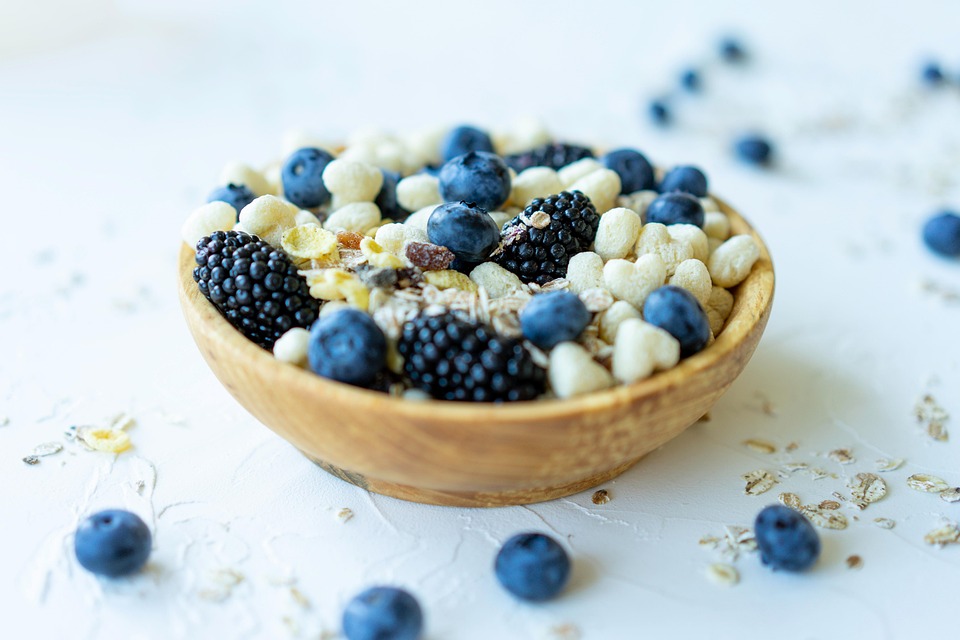
One popular method is to include them in breakfast cereals, oatmeal, or yogurt. This provides a simple way to start the day with a dose of these beneficial compounds. Blending them into smoothies is another excellent option, especially for those who prefer a quick, portable meal or snack.
Blueberries can also be a delightful addition to salads, offering a burst of flavor and color. They pair well with nuts, seeds, and various greens, creating a nutritionally diverse meal. Even as a standalone snack, a handful of blueberries offers a refreshing and satisfying choice.
Frequently Asked Questions
Do fresh or frozen blueberries offer similar benefits for structural health?
Both fresh and frozen blueberries retain their nutritional integrity, including their beneficial compounds like anthocyanins and vitamins. Freezing practices are designed to lock in nutrients, making frozen blueberries a convenient and equally valuable option, especially when fresh berries are out of season.
Can consuming blueberries alone ensure strong bones?
No single food can guarantee strong bones. Bone health is a multifaceted process that depends on a comprehensive approach, including a balanced diet, regular physical activity, and adequate intake of various nutrients. Blueberries can contribute beneficially to this broader picture, but they are one piece of a larger puzzle.
Are there specific types of blueberries better for bone support?
While different blueberry varieties may have slight variations in their nutrient profiles, all common types of blueberries, such as highbush or lowbush, offer a rich array of beneficial compounds. Focusing on consistent consumption of any available blueberry type is often more impactful than seeking out a specific variety.
What other foods complement blueberries for general structural well being?
Foods rich in calcium, vitamin D, magnesium, and other trace minerals are often discussed alongside blueberries for comprehensive structural support. Leafy greens, dairy products or fortified plant milks, fatty fish, and nuts are all examples of foods that contribute to a well rounded approach to maintaining general structural health.
The Bottom Line
Blueberries are a nutrient dense fruit that offer a unique combination of compounds, including anthocyanins, vitamin K1, manganese, vitamin C, and quercetin. These components are discussed for their various contributions to overall physiological function and cellular health, which can support the body’s general structural integrity. Incorporating blueberries into a balanced diet provides a flavorful way to contribute to a comprehensive wellness strategy. Consider adding these vibrant berries to your daily routine for a delicious boost of supportive nutrients.
Get Your FREE Natural Health Guide!
Subscribe now and receive our exclusive ebook packed with natural health tips, practical wellness advice, and easy lifestyle changes, delivered straight to your inbox.