
Delicious meals that fit an anti-inflammatory diet plan can be a game changer for those suffering from chronic inflammation. Chronic inflammation is linked to various health issues, including arthritis, heart disease, and even certain cancers. Many people are unaware that their diet can significantly influence their inflammation levels. By incorporating specific foods known for their anti-inflammatory properties, individuals can not only improve their health but also enjoy flavorful meals.

The challenge lies in knowing which foods to include and how to prepare them to create meals that are both nutritious and satisfying. The good news is that an anti-inflammatory diet is rich in colorful fruits, vegetables, whole grains, and healthy fats. This guide will help you navigate the world of anti-inflammatory eating, offering practical advice and delicious recipes to suit your taste.
Understanding the balance of nutrients in your meals is essential. Foods rich in omega-3 fatty acids, antioxidants, and fiber can combat inflammation effectively. The key is to replace processed foods with whole, nutrient-dense options. This shift will not only enhance your wellbeing but also provide a sense of satisfaction and enjoyment in your meals.
This guide will explore various meals that fit seamlessly into an anti-inflammatory diet plan. From breakfast to dinner, you will find a plethora of ideas to inspire your culinary journey. Each recipe will be designed to minimize inflammation while maximizing flavor, ensuring that healthy eating does not feel like a chore.
Contents
- How to Use Anti-Inflammatory Ingredients for Real Results
- Common Errors to Avoid in an Anti-Inflammatory Diet
- The Science Behind Anti-Inflammatory Eating
- Choosing the Right Anti-Inflammatory Ingredients
- Understanding the Trade-Offs
- Complementary Lifestyle Practices
- Who Should Avoid This?
- Common Questions
- The Bottom Line
How to Use Anti-Inflammatory Ingredients for Real Results
- Best Form: Whole foods
- Best Time: Throughout the day
- Expected Result: Reduced inflammation and improved health
For Daily Protection
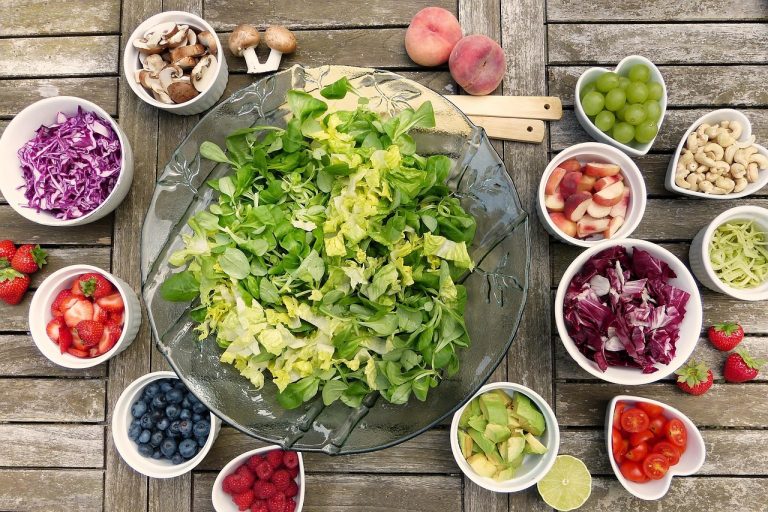
The Prep: Gather ingredients such as spinach, kale, avocados, and walnuts. These ingredients are rich in antioxidants and healthy fats. Ensure you have a high-quality olive oil, lemon juice, and your favorite spices ready for a dressing.
The Action: Start by washing the greens thoroughly. In a large bowl, combine the spinach and kale. Dice the avocado and add it to the bowl. Chop the walnuts and sprinkle them over the top. In a small bowl, whisk together olive oil, lemon juice, salt, and pepper for the dressing. Drizzle it over the salad and toss gently.
The Feeling: As you take your first bite, experience the crunch of the greens combined with the creaminess of the avocado. The richness of the walnuts adds a delightful texture, while the dressing brings everything together. Expect to feel a sense of vitality as the nutrients nourish your body.
Pro Tip: For added flavor, experiment with different herbs like basil or cilantro in your salad.
Targeting Acute Pain
The Prep: Choose ingredients like ginger, turmeric, and garlic. These ingredients are known for their potent anti-inflammatory properties. Have a good quality chicken or vegetable broth ready to enhance the flavors.
The Action: In a pot, heat a tablespoon of olive oil over medium heat. Add minced garlic and grated ginger, sautéing until fragrant. Stir in chopped carrots and celery. Add turmeric and pour in the broth. Let it simmer for about 20 minutes. Finish by adding cooked quinoa for added protein.
The Feeling: As you sip the warm broth, feel the heat radiate through your body. The ginger and garlic create a warming sensation, while the turmeric provides a soothing effect. The comforting nature of the soup offers relief, making it perfect for targeting acute pain.
Pro Tip: Add a squeeze of lemon juice before serving for an extra zing.
The Nighttime Routine
The Prep: Gather ingredients like cherries, oats, and almond milk. Cherries contain melatonin, which can enhance sleep quality. Have cinnamon and honey on hand for added flavor.
The Action: In a saucepan, combine rolled oats, almond milk, and a handful of cherries. Bring to a gentle simmer. Stir in cinnamon and honey to taste. Cook until the oats are creamy and the cherries are soft.
The Feeling: As you enjoy this warm bowl of goodness, experience the sweetness of the cherries balanced with the comforting oats. The soothing aroma of cinnamon envelops you, promoting relaxation as you prepare for a restful night.
Pro Tip: Top with a few extra cherries for a visual treat.
Common Errors to Avoid in an Anti-Inflammatory Diet
Relying on Processed Foods
Choosing processed foods can undermine the benefits of an anti-inflammatory diet. Many processed items contain unhealthy fats, sugars, and additives that can exacerbate inflammation. Focus on whole foods instead.
Preparing meals from scratch allows you to control the ingredients. Prioritize fruits, vegetables, whole grains, and lean proteins. This shift can dramatically improve your health and well-being.
Ignoring Portion Sizes
Overeating, even healthy foods, can lead to weight gain and increased inflammation. Be mindful of portion sizes, especially with calorie-dense foods like nuts and oils.
Using measuring tools can help you understand appropriate serving sizes. Balancing portions prevents excessive calorie intake while ensuring you receive essential nutrients.
Neglecting Hydration
Dehydration can contribute to inflammation and hinder recovery. Many individuals overlook the importance of water in their diet. Staying hydrated is essential for maintaining overall health.
Aim to drink adequate water throughout the day. Herbal teas can also provide hydration while offering additional anti-inflammatory benefits.
The Science Behind Anti-Inflammatory Eating
Chronic inflammation occurs when the body’s immune response becomes dysregulated. This state can lead to tissue damage and various diseases. Certain foods can modulate the inflammatory response by influencing immune function.
Key compounds such as polyphenols found in berries and flavonoids in leafy greens have been shown to exhibit anti-inflammatory effects. These compounds neutralize free radicals and reduce oxidative stress, which is a key contributor to inflammation.
Research supports the connection between diet and inflammation. A study published in the journal Nutrients highlights how certain dietary patterns, including a Mediterranean diet rich in fruits, vegetables, and healthy fats, can significantly reduce inflammatory markers in the body. To read more, visit PubMed.
Choosing the Right Anti-Inflammatory Ingredients
- Potency: Select ingredients known for their anti-inflammatory properties. Potent ingredients yield better results in reducing inflammation.
- Purity: Opt for organic or minimally processed options. Pure ingredients are less likely to contain additives that can trigger inflammation.
- Form: Choose whole foods over supplements. Whole foods provide a range of nutrients that work synergistically to combat inflammation.
Understanding the Trade-Offs
| The Benefits | Potential Downsides |
|---|---|
| Improved overall health and wellbeing | Initial adjustment period may lead to cravings |
| Increased energy levels | Higher grocery costs due to fresh ingredients |
| Enhanced mood and cognitive function | Time-consuming meal preparation |
Complementary Lifestyle Practices
Incorporating regular physical activity into your routine can further enhance the benefits of an anti-inflammatory diet. Aim for at least 30 minutes of moderate exercise most days of the week.
Practicing mindfulness techniques such as yoga or meditation can also help reduce stress levels. Stress is a known contributor to inflammation, so finding ways to manage it can enhance your overall health.
Who Should Avoid This?
– Individuals with specific allergies to anti-inflammatory foods
– Those on blood thinners should consult a healthcare provider
– Pregnant or nursing women should seek guidance from a healthcare professional
Common Questions
What are the best foods to eat for an anti-inflammatory diet?
Focus on fruits, vegetables, whole grains, nuts, seeds, and healthy fats like olive oil.
Can an anti-inflammatory diet help with weight loss?
Yes, by focusing on nutrient-dense foods, you may find it easier to maintain a healthy weight.
Are there any foods I should avoid?
Limit processed foods, refined sugars, and trans fats, as these can increase inflammation.
How long does it take to see results?
Many individuals report feeling better within a few weeks of adopting an anti-inflammatory diet.
The Bottom Line
Adopting an anti-inflammatory diet can lead to significant health improvements.
- The Truth: The diet requires commitment and may not yield instant results.
- The Strategy: Incorporate a variety of anti-inflammatory foods into your meals.
- The Next Step: Start keeping a food diary to track what works for you.
Get Your FREE Natural Health Guide!
Subscribe now and receive our exclusive ebook packed with natural health tips, practical wellness advice, and easy lifestyle changes, delivered straight to your inbox.