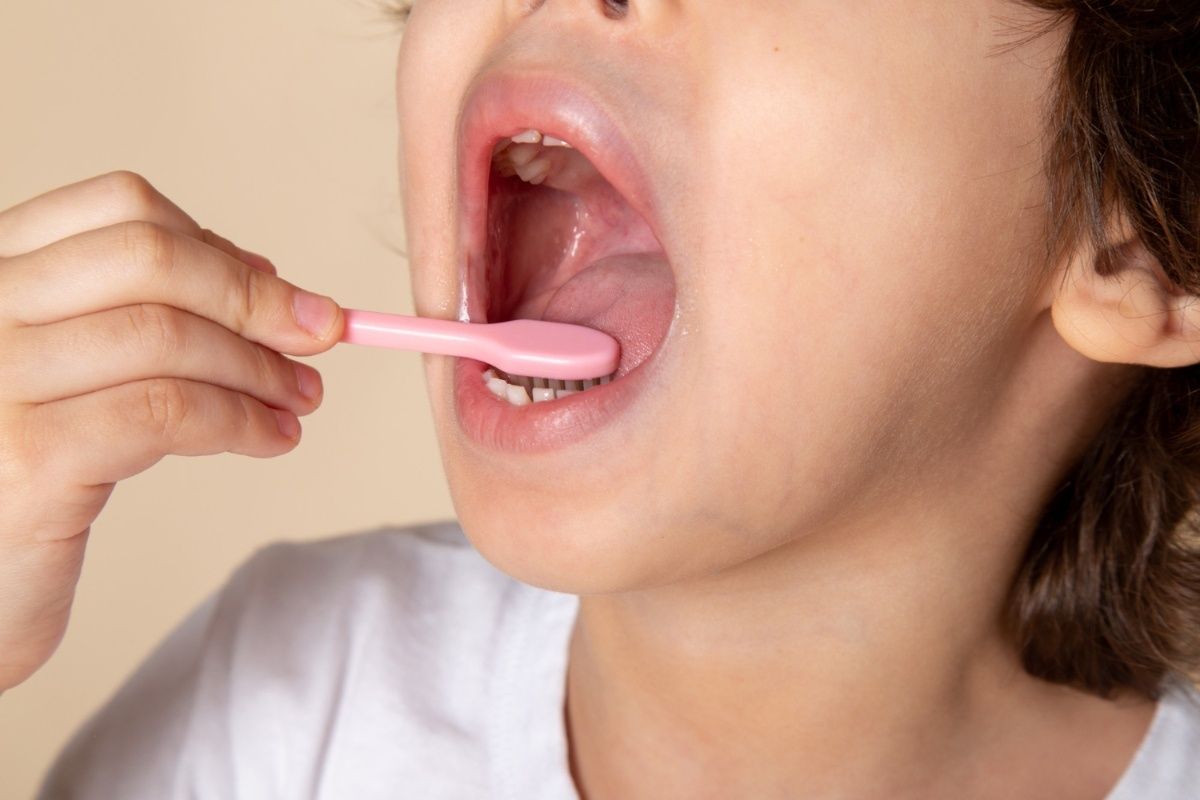

Many people experience a lack of vitality in their morning routines, often feeling sluggish and unmotivated. This can stem from a variety of factors, including poor sleep, nutritional deficiencies, and inadequate oral hygiene practices. One often overlooked aspect of morning wellness is oral health. The mouth is a breeding ground for bacteria, and if not properly managed, this can lead to various health issues. A simple yet effective practice to combat this is tongue scraping, which can serve as an essential step in revitalizing your morning routine.
Incorporating tongue scraping into your daily regimen can enhance your oral detox process and promote overall well-being. This ancient practice, rooted in Ayurvedic medicine, helps remove bacteria, food particles, and dead cells from the surface of the tongue. By doing so, it not only improves oral hygiene but also supports better digestion and a clearer mind. A clean mouth can lead to a clean body, making tongue scraping a powerful tool for those seeking a revitalized start to their day.
As you transition into your morning routine, consider the benefits of incorporating this practice before brushing your teeth. It sets a tone of self-care and mindfulness, allowing you to focus on your health right at the beginning of the day. The ritual of tongue scraping can be both refreshing and invigorating, helping you feel more awake and aware. This guide will take you through the steps of effective tongue scraping, common mistakes to avoid, the science behind it, and how to choose the right tools.
By the end of this guide, you will be equipped with the knowledge and tools to enhance your morning routine with tongue scraping, leading to improved oral health and an overall sense of well-being.
Contents
How to Use Tongue Scraping for Real Results
- Best Form: Stainless steel or copper scraper
- Best Time: First thing in the morning
- Expected Result: Improved oral hygiene and fresher breath
For Daily Protection
The Prep: Start with a stainless steel or copper tongue scraper. Ensure it is clean and dry before use. You may also want to have a small bowl of water nearby for rinsing.
The Action: Stick out your tongue and gently place the scraper at the back of your tongue. Apply light pressure and pull the scraper forward, collecting debris as you go. Rinse the scraper after each pass. Repeat this 3 to 5 times.
The Feeling: You will likely experience a tingling sensation as you scrape. This should feel refreshing and invigorating. The process typically takes about one to two minutes.
Pro Tip: Make this a mindful practice by taking deep breaths while you scrape.
Targeting Morning Breath
The Prep: Gather your scraper and a glass of water. This will help you rinse your mouth afterward for a complete cleansing.
The Action: With your tongue extended, begin scraping from the back to the front. Make sure to reach as far back as is comfortable without provoking a gag reflex. Rinse the scraper and your mouth after each pass.
The Feeling: Expect a cooling effect as you scrape, leaving your mouth feeling fresh. This process can help eliminate morning breath, making you feel more confident throughout the day.
Pro Tip: Incorporate a few swishes of water before scraping for an enhanced experience.
The Nighttime Routine
The Prep: Before bed, have your tongue scraper ready along with a glass of warm water. This prepares your mouth for the cleansing process.
The Action: Gently scrape your tongue as you would in the morning, but this time focus on any lingering food particles from dinner. Rinse thoroughly afterward.
The Feeling: You may notice a warmer sensation as you scrape at night, especially if you have consumed spicy or rich foods. This practice can contribute to a more restful sleep by promoting oral cleanliness.
Pro Tip: Use a soft-bristled toothbrush to gently clean your tongue after scraping for an added layer of freshness.
Common Errors to Avoid When Scraping
Using a Poor Quality Scraper
Choosing low-quality scraping tools can lead to ineffective results. Plastic scrapers may not effectively remove debris and can harbor bacteria. Opting for stainless steel or copper scrapers ensures a more thorough cleansing experience.
Investing in a high-quality scraper is essential. Stainless steel and copper not only last longer but also provide a more hygienic option. Regularly clean your scraper to maintain its effectiveness.
Scraping Too Hard
Applying excessive pressure can cause discomfort and damage to the tongue. The goal is to gently remove the surface layer without causing pain. Understanding your limits is crucial for an effective scraping experience.
Focus on using light pressure and gradually increase it as you become more comfortable with the practice. This ensures you achieve optimal results without risking injury.
Neglecting Other Oral Hygiene Practices
Relying solely on tongue scraping can be a mistake. While it is beneficial, it should complement other oral hygiene practices such as brushing and flossing. Neglecting these can lead to an imbalance in your oral health.
Incorporate tongue scraping into a broader hygiene routine. Brush your teeth and floss regularly to maintain overall oral health and balance.
The Mechanism Behind Tongue Scraping
Biologically, the tongue harbors millions of microorganisms, including bacteria that can contribute to bad breath and oral health issues. Scraping effectively removes these pathogens and promotes a cleaner oral environment. This supports better digestion and overall health.
The primary compound involved in this process is the bacteria present on the tongue. These microorganisms release volatile sulfur compounds, which lead to unpleasant odors. By removing these bacteria, you can significantly improve breath freshness.
Clinical studies indicate the effectiveness of tongue scraping in improving oral hygiene. Research shows that it can reduce the levels of bacteria on the tongue and improve overall breath quality. For more detailed insights, visit PubMed.
Choosing the Right Scraper
- Potency: Choose a scraper that effectively removes debris without causing irritation. The right material and design can enhance your experience.
- Purity: Ensure the scraper is made from non-toxic materials that won’t leach harmful chemicals into your mouth.
- Form: Look for ergonomic designs that fit comfortably in your hand for ease of use. A well-designed scraper will make your routine more enjoyable.
Benefits vs Risks
| The Benefits | Potential Downsides |
|---|---|
| Improves oral hygiene and reduces bad breath. | Over-scraping can lead to irritation. |
| Enhances taste perception by removing buildup. | Low-quality scrapers may not be effective. |
| Supports overall digestive health. | Can be uncomfortable if not done correctly. |
Habits to Enhance Your Routine
Pair tongue scraping with a glass of warm water first thing in the morning. This habit can help rehydrate your body and kickstart your digestive system.
Consider practicing mindfulness during your scraping routine. Focus on your breath and the sensations in your mouth to create a calming morning ritual.
Who Should Avoid This?
- Individuals with sensitive tongues or oral sores.
- People with specific oral health conditions, such as thrush.
- Anyone who has recently undergone oral surgery.
Common Questions
How often should I scrape my tongue?
Daily scraping is recommended for optimal oral health, particularly in the morning.
Can I use a toothbrush instead?
A toothbrush can be used but may not be as effective as a dedicated scraper.
Is tongue scraping safe for children?
Yes, but ensure they understand how to do it gently to avoid injury.
What if I experience discomfort?
Stop scraping immediately and consult a healthcare professional if discomfort persists.
The Bottom Line
Integrating tongue scraping into your morning routine can significantly enhance your oral health and overall well-being.
- The Truth: While beneficial, tongue scraping alone cannot replace traditional oral hygiene practices.
- The Strategy: The best time to scrape is first thing in the morning for optimal results.
- The Next Step: Consider pairing this practice with mindful breathing to enhance your morning ritual.
Get Your FREE Natural Health Guide!
Subscribe now and receive our exclusive ebook packed with natural health tips, practical wellness advice, and easy lifestyle changes, delivered straight to your inbox.