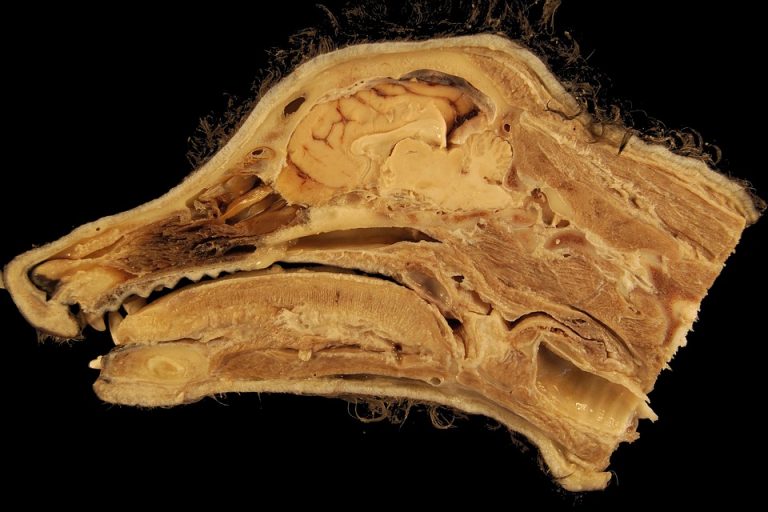

Mouth taping has emerged as a simple yet effective method for promoting healthier sleep and improving oral health. Many individuals struggle with sleep disturbances, often caused by breathing issues during the night. Mouth breathing can lead to a range of problems, including dry mouth, bad breath, and even dental issues. The solution lies in a practice that encourages nasal breathing, which can significantly enhance both sleep quality and overall dental health.
The process involves placing a gentle adhesive tape over the lips before sleep. This practice encourages individuals to breathe through their noses instead of their mouths. Nasal breathing has numerous benefits, such as improved oxygenation, reduced snoring, and better filtration of air. By adopting this simple technique, many people have reported improvements not only in their sleep quality but also in their dental health, as it helps maintain moisture levels in the mouth and reduces the risk of decay.
Implementing mouth taping requires understanding the correct method and materials to use. It is essential to ensure that the chosen tape is safe for skin contact and does not cause irritation. Once accustomed to this practice, individuals often find that they wake up feeling more refreshed and with a cleaner mouth, as the nasal passages work effectively to filter and humidify the air entering the body.
For those seeking a straightforward approach to enhance their sleep and dental health, mouth taping presents a viable option. This guide will explore the practical applications, common mistakes, scientific evidence, and additional considerations related to this method.
Contents
How to Use Mouth Taping for Real Results
- Best Form: Hypoallergenic adhesive tape
- Best Time: Before sleep
- Expected Result: Improved sleep quality and oral health
Creating Your Nighttime Routine
The first step in mouth taping involves gathering the right materials. Use hypoallergenic adhesive tape designed for skin use. Cut a piece that is approximately two inches long. Ensure your lips are clean and dry before applying the tape. This preparation minimizes the risk of irritation and ensures a secure hold throughout the night.
Once you have prepared the tape, gently press it over your closed lips. Ensure the tape is not too tight, allowing for comfort during the night. The goal is to encourage nasal breathing without feeling restricted. You may want to practice this during the day to get accustomed to the sensation before using it at night.
After application, you should notice a feeling of security and comfort. Initially, you may experience a slight tingling sensation as your body adjusts to nasal breathing. This feeling typically subsides after a few minutes, and you can expect to wake up feeling more refreshed and with a moist mouth, thanks to the benefits of nasal airflow.
Pro Tip: Start with shorter sessions to build comfort before committing to full nights.
For Enhanced Breathing
Begin by ensuring your nasal passages are clear. A saline nasal spray or steam inhalation can help open up any blockages. This preparation is crucial as it allows for optimal airflow through the nose during sleep. A clean nasal passage will enhance the effectiveness of mouth taping.
Apply the tape gently across your lips, ensuring it covers the entire mouth without being overly constrictive. This method encourages you to breathe through your nose, allowing for improved oxygenation during sleep. You may also want to adopt a comfortable sleeping position that promotes nasal breathing, such as lying on your side.
As you settle into sleep, you may feel a sense of calm wash over you as your body begins to adapt to this new breathing method. The sensation of breathing through the nose is often described as soothing, and many find they fall asleep more quickly. Expect to wake up feeling refreshed and less groggy, with a cleaner mouth.
Pro Tip: Incorporate a relaxing bedtime routine to enhance the overall experience.
For Daily Protection
Start your day by ensuring your mouth and lips are clean. This preparation prevents any buildup of bacteria that could lead to discomfort during the night. Using a gentle lip balm can also help keep your lips hydrated, making the tape application more comfortable.
Before bed, apply the tape across your lips, ensuring it is secure yet comfortable. This nightly practice will help train your body to breathe through your nose effectively. You may also find it helpful to engage in deep breathing exercises before sleep to reinforce the habit of nasal breathing.
As you continue this practice, many individuals report feeling a sense of clarity and mental focus upon waking. The reduction in dry mouth and associated dental issues also contributes to better overall oral health. You can expect this feeling to last throughout the day, making it easier to maintain a healthy lifestyle.
Pro Tip: Track your sleep quality to monitor improvements over time.
Common Errors to Avoid
Using Non-Skin Safe Tape
Many people mistakenly use regular tape for mouth taping. This can lead to irritation or allergic reactions, making the practice uncomfortable. Choosing a tape specifically designed for skin contact is crucial. Look for hypoallergenic options that are gentle yet effective.
To avoid irritation, always perform a patch test on a small area of skin before applying it to your lips. If any irritation occurs, discontinue use immediately. Opt for brands that explicitly state they are safe for sensitive skin to ensure a positive experience.
Selecting the right tape is essential. Hypoallergenic options are designed to minimize reactions, allowing you to focus on the benefits of mouth taping without discomfort. This small adjustment can make a significant difference in your overall experience.
Neglecting Nasal Hygiene
Proper nasal hygiene is often overlooked. Individuals may forget to clear their nasal passages before taping, leading to discomfort during the night. Ensure you are free from congestion by using saline sprays or nasal rinses before sleep.
Incorporating a daily routine that includes nasal hygiene can significantly enhance the effectiveness of mouth taping. This practice not only improves airflow but also contributes to overall respiratory health. Make it a habit to check your nasal passages before sleep to ensure they are clear.
By prioritizing nasal hygiene, you can improve your breathing patterns and enhance the overall benefits of mouth taping. This simple practice can lead to a more restful night and better health outcomes.
Overapplying the Tape
Another common mistake is applying too much tape or using excessively large pieces. Doing so can lead to discomfort and may disrupt sleep rather than enhance it. The tape should be just large enough to keep your lips sealed without feeling restrictive.
To avoid this issue, start with smaller pieces of tape and gradually increase the size if necessary. The goal is to find a balance that keeps your lips together while allowing for comfort. A piece approximately two inches in length is often sufficient for most individuals.
Finding the right application technique is key. Experiment with different sizes and types of tape to discover what feels best for you. This adjustment can lead to a more enjoyable and effective mouth taping experience.
The Mechanism Behind Mouth Taping
Mouth taping encourages nasal breathing, which has numerous physiological benefits. Nasal breathing promotes optimal oxygen exchange and filtration, improving overall respiratory function. This method also helps maintain moisture levels in the mouth, reducing the risk of dental issues associated with dry mouth.
A key component of nasal breathing is nitric oxide, which is produced in the nasal passages. This compound plays a vital role in vasodilation and can enhance oxygen uptake in the lungs. By encouraging nasal breathing through mouth taping, individuals can experience improved oxygenation and overall health benefits.
Research supports the benefits of nasal breathing. A study published in the journal PubMed highlights the positive effects of this practice on sleep quality and oral health. The findings suggest that individuals who engage in nasal breathing experience fewer sleep disturbances and improved dental health outcomes.
Selecting the Right Adhesive
-
Potency: Choose a tape that effectively adheres without causing discomfort. This ensures that it stays in place throughout the night, promoting a consistent breathing pattern. A well-adhered tape enhances the effectiveness of the practice.
-
Purity: Opt for hypoallergenic materials that minimize the risk of irritation. This choice is crucial for maintaining comfort and ensuring that you can use the tape regularly without adverse effects. Hypoallergenic options are designed for sensitive skin, making them suitable for most individuals.
-
Form: Look for tapes specifically designed for skin application. These products are formulated to adhere gently while allowing for easy removal. Selecting the right form can help improve the overall experience and effectiveness of mouth taping.
Evaluating the Trade-Offs
| The Benefits | Potential Downsides |
|---|---|
| Encourages nasal breathing, enhancing oxygenation | Initial discomfort while adjusting |
| Reduces dry mouth and associated dental issues | Requires consistency for optimal results |
| Improves sleep quality and reduces snoring | Might not be suitable for everyone |
Complementary Lifestyle Habits
Incorporating regular physical activity into your routine can enhance the benefits of mouth taping. Exercise promotes better respiratory health and can improve overall sleep quality. Aim for a balanced mix of aerobic and strength training exercises to support your body’s needs.
Mindfulness practices such as meditation can also contribute to better sleep and overall well-being. Engaging in relaxation techniques before bedtime can help calm the mind and prepare the body for restful sleep. This combination of habits can amplify the positive effects of mouth taping.
Who Should Avoid This?
- Individuals with severe nasal congestion or chronic respiratory issues.
- Those with skin sensitivities or allergies to adhesive materials.
- Anyone experiencing anxiety related to restricted airflow during sleep.
Common Questions
Is mouth taping safe for everyone?
Mouth taping may not be suitable for individuals with respiratory conditions or those who struggle with nasal congestion. Consult a healthcare professional if unsure.
How do I know if I am a mouth breather?
Signs of mouth breathing include waking with a dry mouth, snoring, or experiencing dental issues. Monitoring your sleep patterns can help identify this habit.
Can children use mouth taping?
It is advisable to consult a pediatrician before introducing mouth taping to children. Ensuring safety and comfort is crucial in younger individuals.
How long does it take to see results?
Many individuals report improvements in sleep quality within a few nights of consistent use. However, individual experiences may vary based on personal habits and health conditions.
The Bottom Line
Mouth taping can be an effective method for enhancing sleep quality and promoting better oral health.
- The Truth: This practice may not be suitable for everyone and should be approached with caution.
- The Strategy: Use hypoallergenic tape before sleep to encourage nasal breathing.
- The Next Step: Consider incorporating other healthy sleep habits to maximize benefits.
Get Your FREE Natural Health Guide!
Subscribe now and receive our exclusive ebook packed with natural health tips, practical wellness advice, and easy lifestyle changes, delivered straight to your inbox.