
Breath is a fundamental aspect of life that often goes unnoticed. Many people breathe shallowly, which can lead to various health issues, including anxiety, fatigue, and reduced lung capacity. This shallow breathing deprives the body of essential oxygen. The lungs, our vital organs for gas exchange, depend on proper breathing techniques to function optimally. Deep breathing, often overlooked, serves as a powerful tool for lung cleansing and overall well-being.

In today’s fast-paced world, stress and environmental toxins can compromise lung health. The good news is that deep breathing techniques can act as a natural remedy. By consciously engaging in deep breathing exercises, you can stimulate lung function and promote detoxification. This practice not only enhances oxygen intake but also helps release carbon dioxide and other toxins trapped within the lungs.
The act of deep breathing involves filling the lungs completely, engaging the diaphragm, and expelling air fully. This process promotes better lung function and stimulates the respiratory system. As you learn how to incorporate deep breathing into your daily routine, you will discover its numerous benefits for both physical and mental health.
Understanding the mechanics of deep breathing is essential. It involves focusing on the inhale and exhale, which can lead to a sense of calm and clarity. This guide will provide you with practical techniques, scientific insights, and tips for maximizing the benefits of deep breathing for lung health.
Contents
How to Use Deep Breathing for Real Results
- Best Form: Pranayama (yogic breathing)
- Best Time: Morning or before bed
- Expected Result: Improved lung capacity and relaxation
For Daily Protection
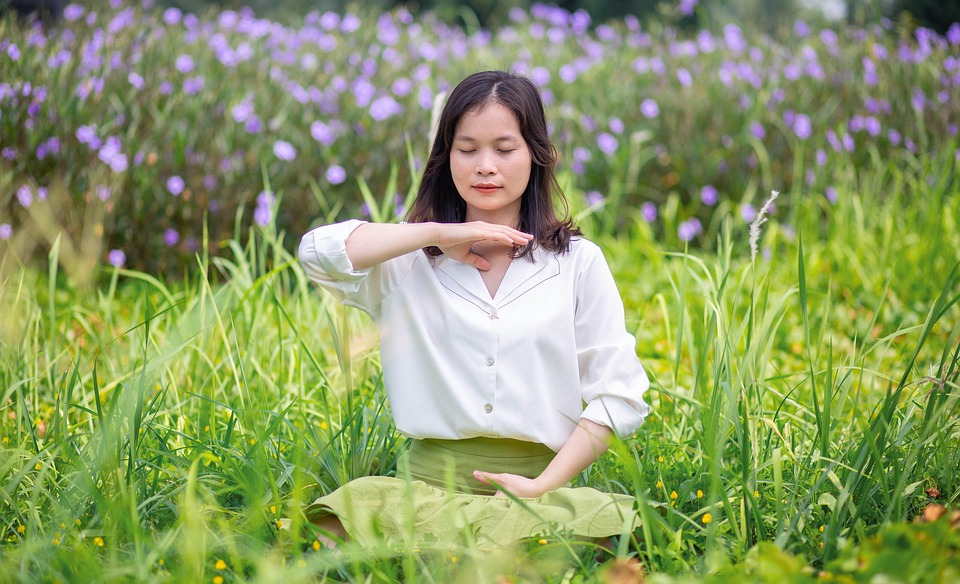
The Prep: Begin by finding a quiet space where you can sit comfortably. You may want to use a yoga mat or cushion. Ensure you are in a position that allows your chest to expand fully. You can also light a candle or use essential oils to create a calming atmosphere.
The Action: Start by closing your eyes and placing one hand on your chest and the other on your abdomen. Inhale deeply through your nose for a count of four. Allow your abdomen to rise while keeping your chest relatively still. Hold the breath for a count of four. Exhale slowly through your mouth for a count of six, feeling your abdomen fall. Repeat this cycle for five to ten minutes.
The Feeling: As you engage in this practice, you may experience a tingling sensation in your fingertips and toes. The air feels cool as it enters your lungs, and you may notice a sense of lightness in your chest. Over time, this practice can lead to a profound sense of calm that lasts throughout the day.
Pro Tip: Consider adding visualization techniques by imagining fresh air cleansing your lungs with each breath.
Targeting Acute Stress
The Prep: Find a quiet environment where you can focus entirely on your breathing. You may want to sit cross-legged or lie down on your back. Ensure your body is relaxed and free from tension.
The Action: Inhale deeply through your nose for a count of five, allowing your diaphragm to expand fully. Hold your breath for a count of five. Then, exhale slowly through your mouth for a count of seven. As you exhale, visualize releasing stress and tension. Continue this cycle for about ten minutes.
The Feeling: You may feel a sense of warmth spreading through your body as you release stress. With each exhale, you may notice a reduction in muscle tension. This practice can lead to a state of tranquility, allowing you to face challenges with a clearer mind.
Pro Tip: Use this technique whenever you feel overwhelmed or anxious to quickly regain your composure.
The Nighttime Routine
The Prep: Create a calming environment in your bedroom. Dim the lights, and consider using a diffuser with calming essential oils like lavender. Lie down in a comfortable position, ensuring your body is fully supported.
The Action: Close your eyes and take a deep breath in through your nose for a count of four. Hold for a count of four. Exhale slowly through your mouth for a count of eight. Focus on the sensation of your body relaxing into the mattress. Continue this practice for ten to fifteen minutes, allowing your mind to unwind.
The Feeling: As you breathe deeply, you may feel a gentle wave of relaxation washing over you. Your mind may begin to quiet, and your body will feel heavier as you sink into the bed. This routine can significantly enhance your sleep quality.
Pro Tip: Combine this practice with gentle stretching or light meditation for an even more restful experience.
Avoiding Common Mistakes in Deep Breathing Practices
Neglecting Proper Posture
Many individuals overlook the importance of posture while practicing deep breathing. Poor posture can restrict lung expansion, preventing full oxygen intake. Sitting hunched or lying awkwardly can lead to shallow breaths. To address this, ensure you are sitting or lying in a position that allows your chest and abdomen to expand freely.
Proper alignment of the spine is crucial. When your spine is aligned, your diaphragm can function optimally. This adjustment can enhance airflow, making each breath more effective. Focus on maintaining an upright posture with relaxed shoulders during your practice.
Rushing Through the Process
Another common mistake is rushing through deep breathing exercises. In a hurry, individuals may take quick, shallow breaths instead of allowing each breath to be deliberate. This fast-paced approach can lead to increased anxiety rather than the intended calming effect.
To counteract this, prioritize quality over quantity. Aim for a slower, more mindful approach to your breathing. Focus on each inhale and exhale, allowing yourself to become fully present in the moment. This intentional practice can significantly enhance the benefits of deep breathing.
Ignoring the Exhalation Phase
Many practitioners focus primarily on inhaling deeply, neglecting the exhalation phase. This oversight can lead to incomplete breaths and reduced lung capacity over time. A balanced breathing technique involves equal attention to both inhalation and exhalation.
To improve this, consciously extend your exhalation. Aim to exhale for a longer duration than your inhale. This practice promotes effective carbon dioxide expulsion and improves lung function. By focusing on the full breath cycle, you can maximize the benefits of deep breathing.
The Science of Deep Breathing Explained
Deep breathing activates the diaphragm, a muscle located at the base of the lungs. This movement encourages the lungs to expand fully, allowing for optimal oxygen exchange. The process also stimulates the vagus nerve, which promotes relaxation and reduces stress. Engaging in deep breathing can lower heart rate and blood pressure, contributing to overall cardiovascular health.
Key compounds involved in this process include nitric oxide. When you breathe deeply, nitric oxide is released in the nasal passages. This compound plays a role in vasodilation, which improves blood flow and enhances oxygen delivery throughout the body. Increased levels of nitric oxide can also support immune function.
Research supports the benefits of deep breathing for lung health. A study published in the journal “Frontiers in Physiology” highlights the positive effects of diaphragmatic breathing on lung function and overall respiratory health. The findings indicate that regular practice can improve lung capacity and efficiency in gas exchange. For further insights, you can explore this PubMed search.
Choosing the Right Breathing Techniques
-
Potency: Look for techniques that emphasize diaphragmatic breathing. Stronger practices enhance lung capacity and efficiency in oxygen exchange.
-
Purity: Choose methods free from distractions. A focused environment allows for a deeper connection to your breath and better results.
-
Form: Select practices that resonate with you, whether through yoga, meditation, or guided exercises. Personal preference influences the effectiveness of your routine.
Understanding the Trade-Offs
| The Benefits | Potential Downsides |
|---|---|
| Enhances lung capacity and function | May cause lightheadedness if practiced too intensely |
| Reduces stress and anxiety levels | Initial discomfort for those unaccustomed to deep breathing |
| Promotes relaxation and better sleep | Requires consistent practice for optimal results |
Incorporating Healthy Habits
Integrating regular physical activity into your routine can complement deep breathing practices. Activities like walking, swimming, or yoga enhance lung capacity and overall respiratory function. Engaging in these activities can also improve cardiovascular health.
Maintaining a balanced diet rich in antioxidants and anti-inflammatory foods supports lung health. Foods such as fruits, vegetables, and whole grains provide essential nutrients that help combat oxidative stress and promote lung function.
Who Should Avoid This?
- Individuals with severe respiratory conditions such as asthma or COPD
- Those recovering from recent surgery involving the lungs
- Individuals experiencing acute chest pain or discomfort
Common Questions
How often should I practice deep breathing?
Aim to practice deep breathing for at least ten minutes daily. Consistency enhances benefits over time.
Can deep breathing help with anxiety?
Yes. Deep breathing activates the parasympathetic nervous system, reducing anxiety levels and promoting relaxation.
Is deep breathing suitable for everyone?
Most people can benefit from deep breathing. However, individuals with specific health conditions should consult a healthcare professional.
How long does it take to see results?
Many people notice improvements in relaxation and lung capacity after a few weeks of consistent practice.
The Bottom Line
Deep breathing is a powerful tool for lung health and overall well-being.
- The Truth: Results may vary based on individual health conditions.
- The Strategy: Morning or evening practices maximize benefits.
- The Next Step: Incorporate deep breathing into your daily routine for lasting effects.
Get Your FREE Natural Health Guide!
Subscribe now and receive our exclusive ebook packed with natural health tips, practical wellness advice, and easy lifestyle changes, delivered straight to your inbox.