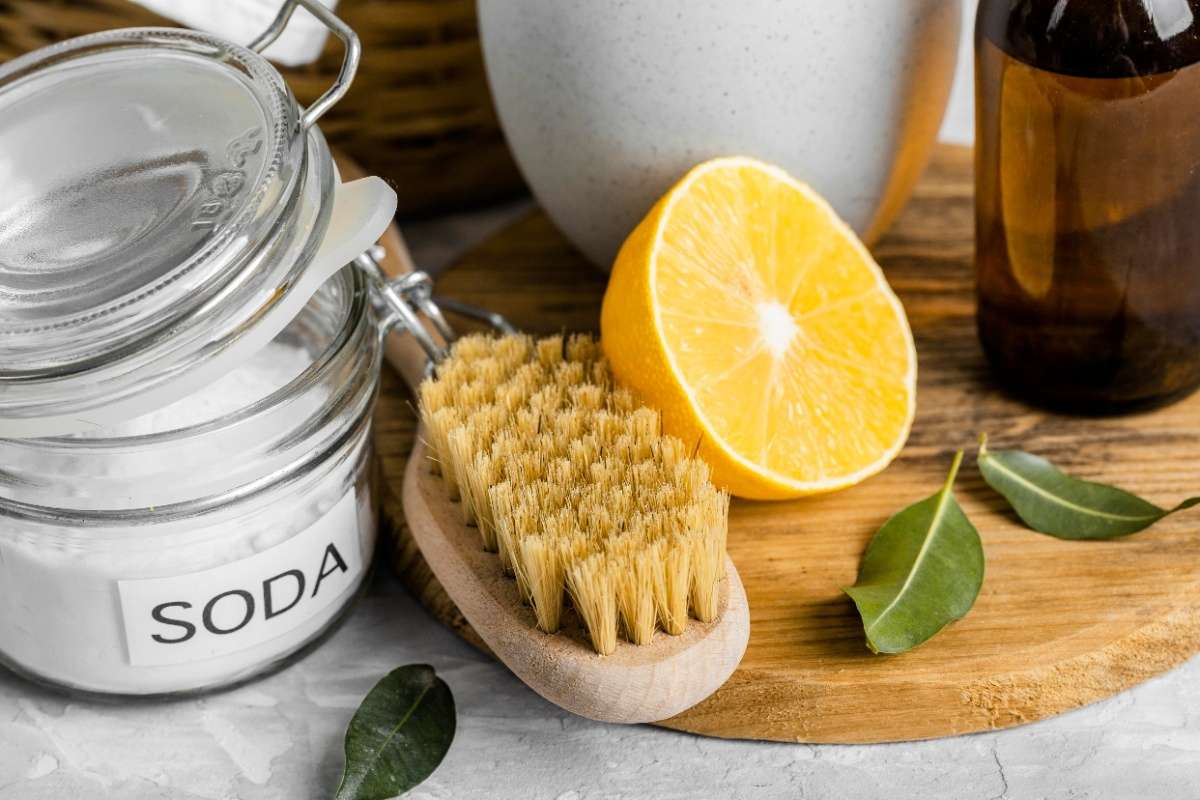

Baking soda has long been a staple in households, often used for baking and cleaning. However, its application on the skin has gained popularity as a natural exfoliant and scrub. While many people seek the benefits of baking soda scrubs for their skin, there is a growing concern regarding potential adverse effects. This guide aims to shed light on the warnings associated with using baking soda scrubs and provide practical advice on how to approach this popular skincare trend.
Understanding the risks involved is crucial before incorporating baking soda scrubs into your skincare routine. The alkaline nature of baking soda can disrupt the skin’s natural barrier, potentially leading to irritation, dryness, or even breakouts. Awareness of these effects allows individuals to make informed decisions about their skincare choices.
The allure of an easy, effective scrub lies in the promise of smoother, clearer skin. However, the reality can be quite different if one does not consider their skin type and the specific conditions that may arise from using such scrubs. This guide will not only detail the precautions necessary when using baking soda but will also explore how to effectively incorporate it into your routine if you choose to do so.
By understanding the benefits and potential pitfalls of baking soda scrubs, you can tailor your skincare regimen to meet your unique needs. This guide will provide you with a comprehensive overview of how to safely navigate the world of baking soda scrubs while prioritizing skin health.
Contents
How to Use Baking Soda for Real Results
- Best Form: Fine powder
- Best Time: Once a week
- Expected Result: Smoother skin texture
The Gentle Exfoliation Method
The Prep: Gather baking soda, water, and a small bowl. Use one tablespoon of baking soda and mix it with enough water to form a paste. Ensure that the mixture is not too runny to maintain its exfoliating properties.
The Action: Apply the paste gently to damp skin in circular motions. Focus on areas that may need extra attention such as elbows, knees, or the T-zone. Rinse thoroughly with lukewarm water and pat dry with a clean towel.
The Feeling: You may experience a mild tingling sensation during application, which is normal. After rinsing, your skin should feel soft and refreshed. This scrub is best done once a week to avoid over-exfoliation.
Pro Tip: Always do a patch test on a small area of skin before applying it widely.
The Spot Treatment Approach
The Prep: Combine one teaspoon of baking soda with a few drops of water to create a thick paste. This method is ideal for targeting specific blemishes or areas of rough skin.
The Action: Using a clean cotton swab, apply the paste directly on the affected area. Leave it on for no more than five minutes. Rinse off with cool water to soothe the skin.
The Feeling: Initially, you may feel a slight warmth due to the baking soda’s action. After rinsing, the area should feel smoother and less inflamed. Limit this treatment to once every two weeks to prevent irritation.
Pro Tip: If you notice redness or irritation, discontinue use immediately.
The Refreshing Face Mask
The Prep: Mix two tablespoons of baking soda with one tablespoon of honey to create a natural face mask. Honey adds moisture and helps to balance the drying effects of baking soda.
The Action: Apply the mixture evenly across your face, avoiding the eye area. Allow it to sit for about 10 minutes before rinsing with warm water.
The Feeling: As the mask sits, you may feel a slight tightening sensation. After rinsing, your skin should feel invigorated and clean. This mask can be used every two weeks for a refreshing boost.
Pro Tip: Always follow up with a moisturizer to restore hydration.
Common Errors to Avoid with Baking Soda Scrubs
Overuse of Baking Soda
Using baking soda scrubs too frequently can lead to skin barrier disruption. The skin’s natural pH is slightly acidic, and frequent exposure to an alkaline substance like baking soda can result in dryness and irritation. This condition may worsen with continued use, leading to redness and sensitivity.
To mitigate this effect, limit your use of baking soda scrubs to once a week. This frequency allows the skin time to recover and maintain its natural balance. Listening to your skin’s responses can guide you on when to adjust usage.
Neglecting Skin Type Considerations
Not all skin types react the same way to baking soda. Individuals with sensitive or dry skin may experience heightened irritation and should avoid this scrub altogether. Conversely, those with oily skin may benefit from its exfoliating properties but must still be cautious.
Identifying your skin type before using baking soda is essential. If you have sensitive skin, consider patch testing or opting for gentler exfoliation methods. Tailoring your skincare routine to your specific needs will yield better results and minimize adverse effects.
Ignoring Moisturization Post-Scrub
Failing to apply a moisturizer after using a baking soda scrub can exacerbate dryness and irritation. Exfoliation removes dead skin cells, but it also strips away moisture. Without proper hydration, skin can feel tight and uncomfortable.
Always follow up with a quality moisturizer that suits your skin type. This step is vital for restoring hydration and maintaining a healthy skin barrier. A well-hydrated skin is less prone to irritation and looks more radiant.
The Science Behind Baking Soda Scrubs
Baking soda, or sodium bicarbonate, has unique properties that contribute to its effectiveness as an exfoliant. Its alkaline nature helps to loosen dead skin cells, making it easier to remove them from the skin’s surface. This process promotes a smoother texture and can improve the appearance of dull skin.
The key compound in baking soda responsible for its exfoliating properties is sodium bicarbonate itself. When mixed with water, it creates a gentle abrasive that can effectively slough off dead skin. Additionally, its alkaline nature can help neutralize acidity on the skin, which some may find beneficial.
Clinical studies have explored the effects of baking soda on skin health. One study indicated that baking soda could help alleviate certain skin conditions due to its antibacterial properties. For more detailed information, you can refer to this research.
Choosing the Right Product
– **Potency:** The effectiveness of baking soda scrubs can vary based on the concentration used. A higher potency may provide better exfoliation but can also lead to irritation.
-
Purity: Opt for pure baking soda without additives. Impurities can lead to unwanted reactions on the skin, making it crucial to choose high-quality products.
-
Form: Fine powder is preferred for scrubs as it provides a gentler exfoliation compared to coarse granules. A finer texture is less likely to cause micro-tears in the skin.
Benefits vs Risks
| The Benefits | Potential Downsides |
|---|---|
| Effective exfoliation for smoother skin | Can disrupt skin’s natural pH balance |
| Affordable and easy to use | May cause irritation for sensitive skin |
| Can help with acne due to antibacterial properties | Overuse can lead to dryness and sensitivity |
Habits for Better Skin
Incorporating a balanced diet rich in antioxidants can significantly improve skin health. Foods like fruits, vegetables, and nuts help combat oxidative stress, promoting a radiant complexion.
Staying hydrated is equally important. Drinking adequate water daily helps maintain skin elasticity and prevents dryness. Proper hydration can enhance the overall effectiveness of your skincare routine.
Who Should Avoid This?
– Individuals with sensitive skin
– Those with eczema or psoriasis
– People undergoing active acne treatment
– Anyone allergic to baking soda
Common Questions
Can baking soda cause irritation?
Yes, baking soda can cause irritation, especially for sensitive skin. It’s essential to patch-test before widespread use.
How often should I use a baking soda scrub?
Limit use to once a week to avoid over-exfoliation and skin irritation.
Can baking soda help with acne?
Baking soda has antibacterial properties, which may help reduce acne. However, it should be used cautiously to avoid irritation.
Is baking soda safe for all skin types?
Not all skin types can tolerate baking soda. Individuals with sensitive skin should avoid it or consult a dermatologist.
Final Thoughts
Using baking soda scrubs can offer benefits but requires caution and understanding of individual skin needs.
- The Truth: Overuse can lead to irritation and dryness.
- The Strategy: Use it once a week for the best results.
- The Next Step: Always follow up with a moisturizer after scrubbing.
Get Your FREE Natural Health Guide!
Subscribe now and receive our exclusive ebook packed with natural health tips, practical wellness advice, and easy lifestyle changes, delivered straight to your inbox.