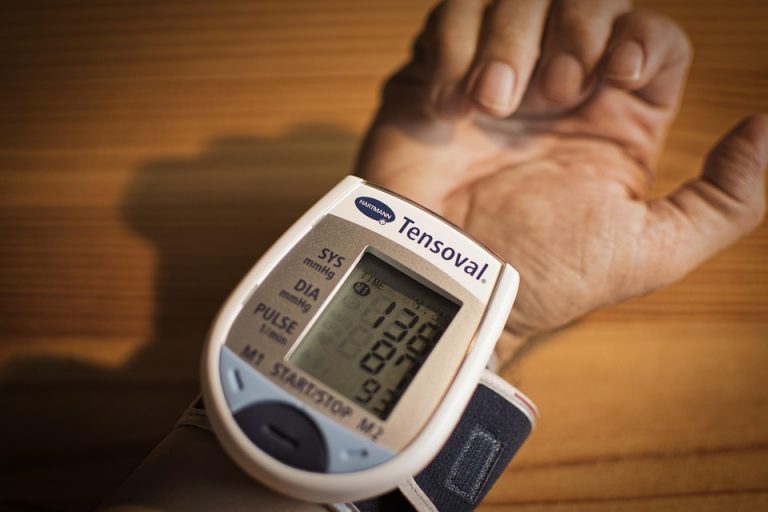
Regular sauna sessions have gained traction as an effective method for enhancing heart health, yet many remain unaware of the profound benefits associated with this practice. Heart disease continues to be a leading cause of mortality globally, prompting individuals to seek lifestyle changes that can mitigate risk factors. While exercise and diet are often prioritized, the role of regular sauna use in supporting cardiovascular wellness is increasingly recognized. This guide delves deeply into how sauna sessions can elevate heart health, offering practical advice backed by scientific insights.

The soothing warmth of a sauna does more than provide a moment of relaxation. It can stimulate various physiological responses that contribute to better heart health. As the body heats up, blood vessels dilate, improving circulation and reducing blood pressure. This process not only helps in flushing out toxins but also promotes the release of endorphins, enhancing mood and reducing stress. Both factors are crucial in maintaining a healthy heart and overall well-being.
Sauna sessions can be particularly beneficial for those grappling with stress-related conditions. Chronic stress has been linked to heart disease, making effective stress management strategies essential. Regular sauna use can serve as a meditative practice, allowing individuals to disconnect from daily pressures. This not only fosters a sense of calm but also encourages the adoption of other heart-healthy habits. The synergy between sauna use and lifestyle changes can ultimately lead to improved cardiovascular health.
Understanding how to incorporate sauna sessions into a routine can make a significant difference. This guide will provide practical tips on how to effectively use saunas for heart health, along with insights into the science behind this practice and common pitfalls to avoid.
Contents
How to Use Sauna Sessions for Real Results
- Best Form: Traditional sauna (dry or steam)
- Best Time: 15 to 30 minutes per session, 2 to 3 times a week
- Expected Result: Improved circulation, reduced blood pressure, enhanced stress relief
For Daily Protection
The preparation for daily sauna sessions involves ensuring your sauna is clean and set to an optimal temperature, typically between 150°F and 195°F. Hydration is crucial, so drink water before entering the sauna. Consider adding calming elements like essential oils or soft music to enhance the experience. A towel to sit on can add comfort and hygiene.
Once inside, sit or lie down comfortably, allowing your body to acclimate to the heat. Aim for a session length between 15 to 30 minutes. Focus on your breathing and allow your mind to relax. Gradually increase the duration as your body adapts to the heat, but listen to your body’s signals to avoid overheating.
During the sauna session, you may feel a warm, enveloping sensation that promotes relaxation. Sweating will begin, releasing toxins and impurities. You might experience a heightened sense of clarity and calmness. After the session, take a moment to cool down and hydrate, ideally with water or a natural electrolyte drink.
Pro Tip: Incorporate deep breathing exercises while in the sauna for enhanced stress relief.
Targeting Acute Pain
To effectively use a sauna for acute pain relief, begin by ensuring the sauna environment is inviting. This could mean adjusting the lighting and having a comfortable mat or towel. Prepare by hydrating well and possibly incorporating heat pads to specific areas if desired.
Once inside, focus on the areas of discomfort. Position yourself in a way that allows heat to envelop these areas. Stay for 20 to 30 minutes, ensuring you remain well-hydrated. Use this time to practice mindfulness or meditation to further distract from pain sensations.
As the heat penetrates your muscles, you will likely feel a soothing warmth that eases tension and discomfort. Many individuals report a significant reduction in pain levels post-session. Afterward, allow your body to cool down gradually and drink plenty of water to replenish lost fluids.
Pro Tip: Use a foam roller or massage ball after the sauna session to enhance muscle relaxation.
The Nighttime Routine
Preparing for a nighttime sauna session involves creating a calming atmosphere. Dim the lights and opt for soothing scents like lavender or chamomile. Hydrate before entering the sauna, ensuring you have a water bottle close by.
During the session, aim for a duration of 15 to 20 minutes. Focus on relaxation techniques such as visualization or gentle stretching. This not only helps your body unwind but also prepares your mind for sleep. Maintain a comfortable position, allowing the heat to work its magic.
You may experience a profound sense of relaxation, with your body feeling lighter as tension dissipates. This calming effect can lead to improved sleep quality. After the sauna, cool down gradually, and consider taking a warm shower to further prepare for sleep.
Pro Tip: Avoid caffeine and heavy meals before your sauna session to enhance relaxation and sleep quality.
Avoiding Common Sauna Mistakes
Overdoing It
Many individuals mistakenly believe that longer sauna sessions yield better results. Spending excessive time in the sauna can lead to dehydration and overheating. This can counteract the intended benefits and may even pose health risks. It is essential to listen to your body and limit sessions to 15 to 30 minutes.
To avoid this mistake, set a timer for your sessions. Start with shorter durations and gradually increase as your body adapts to the heat. Always prioritize hydration before, during, and after your sauna use. This approach not only enhances safety but also maximizes the positive effects on heart health.
Neglecting Hydration
A common error is neglecting hydration before and after sauna use. The heat causes significant fluid loss through sweating, which can lead to dehydration. This can diminish the positive cardiovascular effects and may lead to fatigue or dizziness.
To mitigate this risk, make hydration a priority. Drink water before entering the sauna and keep a bottle nearby during the session. Afterward, replenish lost fluids with water or electrolyte-rich beverages to maintain optimal hydration levels.
Rushing the Cool Down
Many individuals are eager to leave the sauna immediately after their session, neglecting the cool-down phase. This step is crucial for regulating body temperature and allowing the cardiovascular system to adapt gradually. Skipping this phase can lead to dizziness or discomfort.
To ensure a proper cool down, exit the sauna slowly and allow your body to acclimate to the ambient temperature. Spend a few minutes resting before taking a shower or engaging in other activities. This practice enhances the overall benefits of sauna use and promotes cardiovascular health.
The Science Behind Sauna Benefits
The biological mechanisms at play during sauna use are complex yet fascinating. As the body heats up, heart rate increases, mimicking the effects of moderate exercise. This elevated heart rate enhances blood flow, improving oxygen delivery throughout the body. The dilation of blood vessels reduces blood pressure, contributing to cardiovascular health.
Key compounds such as nitric oxide are released during sauna sessions. This molecule plays a critical role in vascular function, promoting relaxation of blood vessels and improving circulation. Increased nitric oxide levels can lead to enhanced cardiovascular performance and overall heart health.
Research supports the cardiovascular benefits of sauna use. A study published in the Journal of the American College of Cardiology demonstrated that regular sauna sessions are associated with a lower risk of heart disease and sudden cardiac death. For more detailed information, you can read the study here: Clinical Evidence.
Choosing the Right Sauna
- Potency: The effectiveness of a sauna can vary significantly depending on its heating capabilities. Higher potency saunas can deliver more intense heat, leading to better cardiovascular benefits.
- Purity: Ensure the materials used in the sauna are free from harmful chemicals. High-quality materials enhance safety and longevity, making your sauna sessions more enjoyable.
- Form: Consider whether you prefer a traditional sauna or an infrared version. Each has unique benefits, so understanding your preferences can enhance your sauna experience.
Benefits vs Risks
| The Benefits | Potential Downsides |
|---|---|
| Improved circulation and reduced blood pressure. | Risk of dehydration if not properly hydrated. |
| Enhanced relaxation and reduced stress levels. | Potential for overheating if sessions are too long. |
| Support for muscle recovery and pain relief. | Not suitable for individuals with certain health conditions. |
Complementary Lifestyle Habits
Incorporating regular physical activity into your routine can amplify the benefits of sauna use. Exercise enhances cardiovascular health and can help maintain optimal body weight, further reducing heart disease risk. Aim for at least 150 minutes of moderate activity each week.
Mindfulness practices such as meditation or yoga can also complement sauna sessions. These practices promote mental well-being, which is closely linked to heart health. Engaging in stress-reducing activities can enhance the overall effectiveness of your sauna routine.
Who Should Avoid This?
– Individuals with cardiovascular conditions or unstable angina
– Pregnant women
– Those with certain skin conditions, such as severe eczema
– Individuals with respiratory issues or severe asthma
– Anyone taking medications that affect circulation or body temperature regulation
Common Questions
How often should I use a sauna for heart health?
Aim for 2 to 3 sessions per week, each lasting between 15 to 30 minutes.
Can sauna sessions replace exercise?
While saunas provide cardiovascular benefits, they should complement regular exercise rather than replace it.
Is it safe to use a sauna if I have high blood pressure?
Consult with a healthcare professional before using a sauna, especially if you have existing health conditions.
Can I bring my phone into the sauna?
It is best to avoid bringing electronics into the sauna due to heat exposure and potential distractions.
The Bottom Line
Regular sauna sessions can significantly enhance heart health when done correctly.
- The Truth: Excessive use can lead to dehydration and other risks.
- The Strategy: Stick to 15 to 30 minutes, 2 to 3 times a week.
- The Next Step: Prioritize hydration before and after your sessions.
Get Your FREE Natural Health Guide!
Subscribe now and receive our exclusive ebook packed with natural health tips, practical wellness advice, and easy lifestyle changes, delivered straight to your inbox.