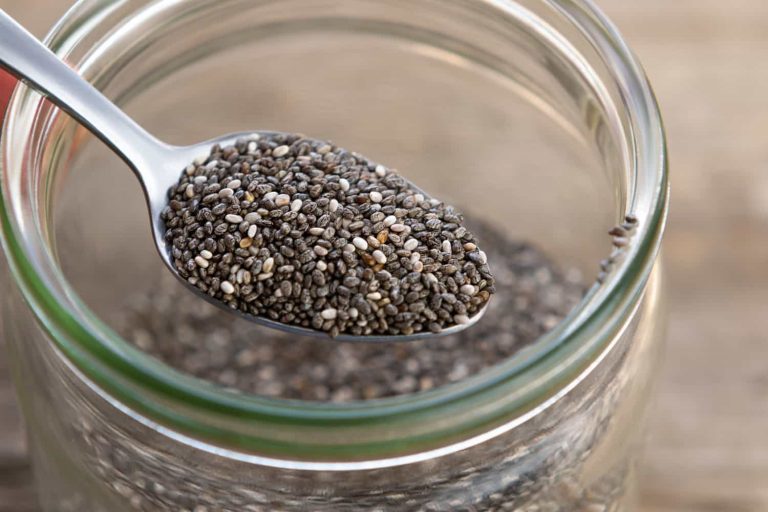
Hemp seeds have gained significant attention for their potential health benefits, particularly in relation to omega-3 fatty acids. Many people today struggle with insufficient omega-3 intake due to dietary restrictions or the prevalence of processed foods. This shortfall can contribute to a range of health issues, including inflammation, cardiovascular disease, and cognitive decline. As a solution, incorporating hemp seeds into everyday meals, especially salads, offers a simple yet effective way to enhance nutritional value.
Omega-3 fatty acids play a crucial role in maintaining heart health, supporting brain function, and reducing inflammation. However, many individuals find it challenging to consume adequate amounts of these essential fats through traditional sources such as fish or flaxseeds. Hemp seeds provide a plant-based alternative that is not only rich in omega-3 but also packed with protein, fiber, and other essential nutrients. This makes them an excellent addition to salads, where they can easily blend with various ingredients.
Adding hemp seeds to salads is not just about boosting omega-3 intake. It also enhances the texture and flavor profile of the dish. The nutty taste of hemp seeds complements a wide range of salad ingredients, from leafy greens to roasted vegetables. This versatility allows for creative culinary combinations that can cater to various palates and dietary preferences.
This guide delves into how to effectively integrate hemp seeds into salads, the science behind their health benefits, common mistakes to avoid, and practical tips for maximizing their use. By understanding the nutritional advantages and practical applications of hemp seeds, you can elevate your meals while supporting your overall wellness.
Contents
How to Use Hemp Seeds for Real Results
- Best Form: Raw or lightly toasted hemp seeds
- Best Time: Anytime during meal preparation
- Expected Result: Enhanced omega-3 intake and improved salad flavor
For Daily Protection
The Prep: Gather your ingredients, including fresh leafy greens, assorted vegetables, and a handful of raw hemp seeds. Choose greens like spinach or kale for a nutrient-dense base. Other vegetables can include cucumbers, bell peppers, and tomatoes for added color and flavor.
The Action: Start by washing and chopping your greens and vegetables. In a large bowl, combine the greens and vegetables. Sprinkle a generous amount of hemp seeds over the top. Drizzle with your favorite dressing, preferably one that complements the nutty flavor of the seeds, such as a lemon vinaigrette. Toss everything together to ensure even distribution.
The Feeling: As you take the first bite, you will notice a delightful crunch from the hemp seeds. The combination of textures creates a satisfying experience, while the flavors meld beautifully. This salad can leave you feeling nourished and energized throughout the day.
Pro Tip: Experiment with different dressings to find the perfect match for your palate.
Targeting Inflammation
The Prep: For this anti-inflammatory salad, you will need arugula, cherry tomatoes, avocado, and hemp seeds. These ingredients are known for their anti-inflammatory properties and healthy fats.
The Action: Begin by washing the arugula and placing it in a bowl. Halve the cherry tomatoes and slice the avocado. Add these ingredients to the bowl along with a handful of hemp seeds. A drizzle of olive oil and balsamic vinegar can enhance the flavors while providing additional health benefits. Toss gently to combine.
The Feeling: The salad will feel light yet satisfying, with the creamy avocado balancing the crunchy hemp seeds. This dish promotes a sense of well-being, thanks to its nutrient-rich profile, which may help reduce inflammation in the body.
Pro Tip: Add a pinch of salt and pepper for an extra flavor boost.
The Evening Wind Down
The Prep: For a calming evening salad, gather mixed greens, beets, walnuts, and hemp seeds. Beets are known for their ability to promote relaxation and improve blood flow.
The Action: Roast the beets until tender, then let them cool before slicing. In a large bowl, mix the greens with the sliced beets and a handful of walnuts. Top with hemp seeds and a light dressing made of yogurt or a citrus vinaigrette. Toss gently to combine.
The Feeling: The earthy sweetness of the roasted beets pairs beautifully with the nutty seeds. You may experience a feeling of calm and contentment as you enjoy this nutritious salad, making it an ideal choice for winding down after a long day.
Pro Tip: Prepare the beets in advance to save time during meal prep.
Common Mistakes to Avoid
Using Low Quality Seeds
Many people overlook the quality of the hemp seeds they choose. Low-quality seeds may lack essential nutrients and could even contain contaminants. Opt for organic, non-GMO seeds whenever possible to ensure you are getting the best nutritional benefits.
Choosing high-quality seeds ensures that you maximize the omega-3 content and other beneficial compounds. Look for products that are certified and have been tested for purity.
Neglecting Portion Size
Another common mistake is not paying attention to portion sizes. While hemp seeds are nutritious, they are also calorie-dense. Consuming too much can lead to excess calorie intake, which may counteract weight management efforts.
A typical serving of hemp seeds is about three tablespoons. This amount provides a good balance of nutrients without overdoing it on calories. Being mindful of portion sizes helps maintain a healthy diet while enjoying the benefits of hemp seeds.
Ignoring Dietary Pairings
Failing to pair hemp seeds with the right ingredients can diminish their nutritional benefits. Omega-3 fatty acids are more effective when consumed with healthy fats. Avoiding other sources of healthy fats may limit the absorption of these essential nutrients.
Incorporate ingredients such as olive oil, avocados, or nuts into your salads. These fats help facilitate the absorption of omega-3s, ensuring you reap the full benefits when consuming hemp seeds.
The Science Simplified
Hemp seeds contain a unique balance of omega-3 and omega-6 fatty acids. The ideal ratio of these fatty acids is crucial for maintaining overall health. Omega-3s, particularly alpha-linolenic acid, are vital for brain function and reducing inflammation. Omega-6 fatty acids, while also essential, can lead to inflammation when consumed excessively.
The key compound in hemp seeds is gamma-linolenic acid. This omega-6 fatty acid is known for its anti-inflammatory properties. It may help alleviate symptoms of conditions such as arthritis and eczema, making hemp seeds a valuable addition to an anti-inflammatory diet.
Clinical studies have shown that incorporating hemp seeds into the diet can significantly improve omega-3 levels in the body. Research indicates that regular consumption can lead to better cardiovascular health and reduced inflammation. For more in-depth information on these benefits, visit PubMed.
Choosing the Right Product
– **Potency:** Look for seeds that are high in omega-3 content. Higher potency ensures that you receive adequate levels of essential fatty acids.
– **Purity:** Choose organic and non-GMO options to avoid potential contaminants. Purity matters for both health benefits and peace of mind.
– **Form:** Raw seeds retain more nutrients compared to roasted versions. Opt for raw or lightly toasted seeds to maximize health benefits.
Benefits vs Risks
| The Benefits | Potential Downsides |
|---|---|
| Rich in omega-3 fatty acids | High in calories |
| Contains essential amino acids | May cause digestive discomfort in some |
| Supports heart health | Potential allergen for sensitive individuals |
Habits for Enhanced Wellness
Incorporating regular physical activity into your routine can enhance the benefits of a nutrient-rich diet. Exercise helps improve overall health and can amplify the effects of omega-3 fatty acids on cardiovascular health.
Mindfulness practices such as yoga or meditation can also complement your dietary choices. These practices promote relaxation and reduce stress, which can further enhance the benefits of a healthy diet rich in omega-3s.
Who Should Avoid This?
– Individuals with a known allergy to hemp or cannabis products.
– Those on blood-thinning medications should consult a healthcare professional before increasing omega-3 intake.
– Pregnant or breastfeeding women should seek medical advice before making significant dietary changes.
Common Questions
Can hemp seeds be eaten raw?
Yes, raw hemp seeds can be consumed and are often more nutritious than roasted varieties.
Are hemp seeds safe for everyone?
Most people can safely consume hemp seeds, but individuals with allergies should exercise caution.
How should I store hemp seeds?
Hemp seeds should be stored in a cool, dry place. Refrigeration can extend their shelf life.
Can I use hemp seed oil instead?
Yes, hemp seed oil is another excellent source of omega-3s, but it lacks the fiber found in whole seeds.
The Bottom Line
Incorporating hemp seeds into salads is a simple yet effective strategy for boosting omega-3 intake.
- The Truth: While hemp seeds are nutritious, they should be part of a balanced diet.
- The Strategy: Use them regularly in salads or other meals for maximum benefits.
- The Next Step: Consider adding a variety of healthy fats to enhance absorption.
Get Your FREE Natural Health Guide!
Subscribe now and receive our exclusive ebook packed with natural health tips, practical wellness advice, and easy lifestyle changes, delivered straight to your inbox.