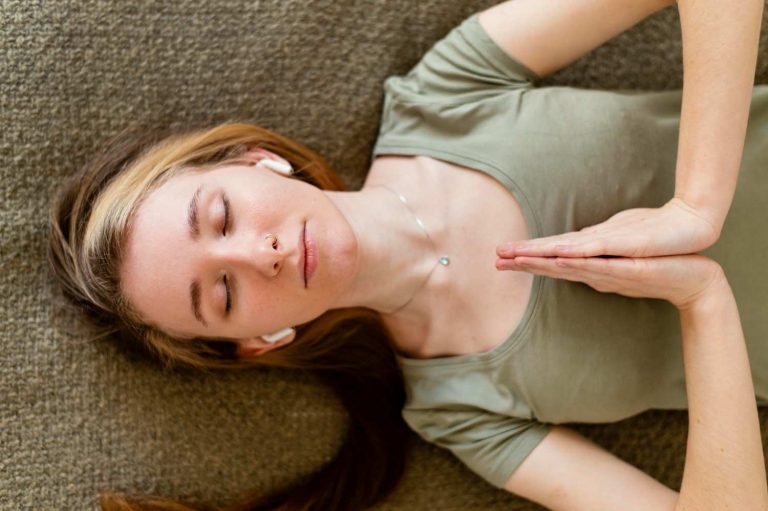

Yoga serves as a powerful tool for enhancing wellness, particularly in promoting pelvic blood flow. Many individuals experience issues related to pelvic health, which can affect overall well-being. Poor blood circulation in this area can lead to discomfort, decreased libido, and even emotional distress. Engaging in specific yoga poses can significantly improve blood flow to the pelvis, addressing these concerns directly.


The practice of yoga not only improves flexibility and strength but also encourages mindfulness and relaxation. This holistic approach can effectively alleviate stress and anxiety, which are often linked to pelvic tension. By incorporating targeted yoga poses into your routine, you can foster a healthier pelvic area, ultimately enhancing your overall wellness and quality of life.
Understanding the connection between yoga and pelvic blood flow is crucial. The pelvic region houses vital organs and muscles that require adequate circulation to function optimally. Many people overlook this area, focusing instead on more visible parts of the body. However, bringing attention to the pelvis through yoga can lead to significant physical and emotional benefits.
This guide will delve into specific yoga poses that stimulate pelvic blood flow, providing detailed instructions and insights into their effects. By following this comprehensive approach, you can create a tailored wellness routine that meets your needs and enhances your overall well-being.
Contents
How to Use Yoga Poses for Real Results
- Best Form: Flow sequences focusing on hip openers
- Best Time: Morning or evening sessions
- Expected Result: Enhanced circulation and reduced tension
Daily Routine for Optimal Circulation
The Prep: Begin by setting up a quiet space with a yoga mat. Gather any props you may find helpful, such as blocks or straps. Wear comfortable clothing that allows for easy movement.
The Action: Start with a gentle warm-up to prepare your body. Transition into poses like Cat-Cow, Butterfly, and Pigeon. Hold each pose for several breaths, focusing on deep inhalations and exhalations. This emphasis on breath will enhance relaxation and circulation.
The Feeling: As you engage in these poses, you may feel a gentle stretching sensation in your hips and lower back. This should be accompanied by a sense of warmth and openness, lasting several minutes after finishing your practice.
Pro Tip: Incorporate breathing exercises between poses to deepen the relaxation effect.
Targeting Discomfort with Focused Poses
The Prep: For this session, prepare a quiet area with your mat. Consider using a bolster or cushion for added support. Have a blanket nearby to keep warm.
The Action: Begin with Child’s Pose to relax your lower back. Move into Reclined Bound Angle Pose and hold for several minutes. Focus on breathing deeply and visualizing blood flow to the pelvic area.
The Feeling: You will likely feel a gentle release of tension in the hips and lower back. The warmth and relaxation should extend throughout your entire pelvic region, lasting for a while after your practice.
Pro Tip: Use essential oils like lavender or peppermint during your practice for added relaxation and focus.
The Evening Wind Down
The Prep: Create a calming environment with dim lighting and soft music. Have your mat, a blanket, and any props ready for your session.
The Action: Start with Seated Forward Bend to ease tension. Follow with Legs-Up-the-Wall Pose to promote relaxation and encourage blood flow back to the heart. Stay in these poses for at least five minutes each.
The Feeling: As you perform these poses, expect to feel a soothing release in your lower body. The inversion of Legs-Up-the-Wall Pose can create a refreshing sensation, alleviating fatigue and tension.
Pro Tip: End your session with a few minutes of guided meditation to enhance relaxation and focus.
Avoiding Common Errors in Your Yoga Practice
Neglecting Proper Alignment
Misalignment during yoga poses can lead to discomfort and prevent effective blood flow. Many practitioners overlook the importance of maintaining proper form, which can diminish the benefits of the poses.
To avoid this mistake, consider using mirrors or recording yourself to check your alignment. It may also be beneficial to work with a qualified instructor to ensure your form is correct. This attention to detail will enhance your practice and improve pelvic circulation.
Skipping Warm-Up Exercises
Jumping straight into challenging poses without warming up can lead to injury and reduced effectiveness. Many people underestimate the importance of preparing the muscles and joints before deeper stretches.
Incorporate a warm-up routine that includes gentle movements and stretches. This preparation increases blood flow and flexibility, making it easier to engage in more intense poses safely.
Overdoing It
Pushing yourself too hard during your practice can lead to strain and discomfort. It is essential to listen to your body and recognize when to ease off.
Adopt a balanced approach, focusing on gradual progress rather than immediate results. Allow your body time to adjust to the poses and pay attention to any signals indicating discomfort. This mindfulness will enhance your practice and improve overall wellness.
Understanding the Mechanisms Behind Pelvic Blood Flow
The biological mechanisms that govern blood flow to the pelvis involve a complex interplay of muscles, nerves, and blood vessels. When engaged in yoga, specific poses stretch and strengthen the pelvic region, facilitating better circulation. Improved blood flow enhances oxygen and nutrient delivery to pelvic organs, promoting overall health.
Key compounds such as nitric oxide play a vital role in regulating blood flow. This compound helps dilate blood vessels, allowing for increased circulation. Certain yoga poses stimulate the release of nitric oxide, thereby enhancing blood flow to the pelvis.
Research supports the benefits of yoga for improving blood circulation. A study published in the Journal of Physical Therapy Science found that regular yoga practice significantly enhanced blood flow in participants. For further reading, consult the study on the PubMed database here.
Choosing the Right Yoga Products
– **Potency:** Ensure that any yoga props you use, like blocks or straps, are made from durable materials. This ensures they can support your body effectively during poses.
– **Purity:** Look for mats free from harmful chemicals. A high-quality mat can enhance grip and support, making your practice safer and more enjoyable.
– **Form:** Consider the type of mat or prop that suits your needs best. Different styles offer varying levels of support and comfort, which can significantly impact your practice.
Weighing the Pros and Cons
| The Benefits | Potential Downsides |
|---|---|
| Improved pelvic blood flow enhances organ function. | Improper technique can lead to injury. |
| Stress reduction through mindfulness and relaxation. | Time commitment may be challenging for busy individuals. |
| Increased flexibility and strength in the pelvic area. | Some poses may be difficult for beginners. |
Complementary Lifestyle Habits
Incorporating regular cardio exercises can enhance blood circulation. Activities like brisk walking or cycling complement yoga by promoting cardiovascular health.
Practicing mindfulness techniques such as meditation can further reduce stress and enhance the benefits of yoga. This holistic approach creates a balanced lifestyle, improving both physical and emotional wellness.
Who Should Avoid This?
– Individuals with serious injuries in the pelvic area.
– Those with conditions like severe osteoporosis.
– Pregnant women should consult a healthcare provider before starting a new exercise routine.
Common Questions
How often should I practice yoga for pelvic health?
Aim for at least three times a week to see significant benefits in blood flow and overall wellness.
Can yoga help with menstrual discomfort?
Many individuals find relief from menstrual cramps through specific yoga poses that promote relaxation and circulation.
Is there a specific sequence for beginners?
Start with basic poses like Cat-Cow, Child’s Pose, and Butterfly before progressing to more advanced poses.
What if I feel pain during certain poses?
Discomfort is common, but sharp pain is not. If you experience pain, ease out of the pose and consult a healthcare professional if necessary.
The Bottom Line
Incorporating yoga poses into your routine can significantly enhance pelvic blood flow and overall wellness.
- The Truth: Results may vary based on individual health conditions.
- The Strategy: Morning or evening sessions yield the best results.
- The Next Step: Establish a regular practice schedule to maintain benefits.
Get Your FREE Natural Health Guide!
Subscribe now and receive our exclusive ebook packed with natural health tips, practical wellness advice, and easy lifestyle changes, delivered straight to your inbox.