
Red bell peppers, vibrant and crisp, are more than just a colorful addition to your plate. They are a powerhouse of nutrients, particularly vitamin C, which plays a pivotal role in maintaining joint health. Many individuals suffer from joint pain and inflammation, conditions that can significantly impact daily activities and overall quality of life. While common treatments often focus on medication and physical therapy, incorporating nutrient-rich foods can provide a natural alternative or complement to traditional methods.
Vitamin C is well-known for its immune-boosting properties, but its role in joint health is equally important. It is crucial for collagen synthesis, a protein that helps maintain the integrity of cartilage, the tissue that cushions joints. Without adequate vitamin C, the body struggles to repair and maintain this vital connective tissue, leading to deterioration and pain. Thus, integrating foods high in vitamin C, such as red bell peppers, into your diet can be an effective strategy for supporting joint health.
The benefits of red bell peppers extend beyond vitamin C. They contain a range of antioxidants and anti-inflammatory compounds that further contribute to joint health. Chronic inflammation is a common underlying factor in many joint disorders, including arthritis. By reducing inflammation, these compounds can help alleviate pain and improve mobility. Understanding how to effectively incorporate red bell peppers into your diet can make a significant difference in your joint health journey.
This guide will explore practical applications for utilizing red bell peppers, common mistakes to avoid, the scientific mechanisms at play, and tips for choosing the right products. By the end, you will have a comprehensive understanding of how red bell peppers can enhance your joint health through vitamin C and other beneficial compounds.
Contents
How to Use Red Bell Peppers for Real Results
- Best Form: Fresh or roasted red bell peppers.
- Best Time: Consumed raw in salads or as a snack.
- Expected Result: Reduced inflammation and improved joint mobility.
For Daily Protection
The Prep: Start with fresh red bell peppers. Aim for organic varieties to avoid pesticides. Wash them thoroughly and slice them into strips. You may want to pair them with a healthy dip, such as hummus or guacamole, for added flavor and nutrients.
The Action: Enjoy these sliced peppers as a mid-morning snack or add them to your lunch salad. If you prefer cooking, toss them in a stir-fry or roast them lightly to enhance their sweetness. The goal is to consume them regularly to reap the benefits of their vitamin C content.
The Feeling: As you bite into the crisp peppers, you will experience a refreshing crunch. The natural sweetness will tantalize your taste buds, making you feel energized. This sensation will linger, providing you with a satisfying and nutritious snack.
Pro Tip: To maximize flavor, consider marinating the slices in olive oil, lemon juice, and herbs before serving.
Targeting Acute Pain
The Prep: Gather roasted red bell peppers as they pack a concentrated flavor. You can roast them at home by placing whole peppers in an oven until the skins blister. Allow them to cool, peel off the skins, and slice them into strips.
The Action: Incorporate these roasted peppers into a warm quinoa salad or add them to a vegetable soup. Their smoky flavor will enhance the dish while contributing to your vitamin C intake.
The Feeling: The warm, tender texture of roasted peppers will provide comfort and a soothing experience. The rich flavor will fill your senses, and you may notice a reduction in discomfort after regular consumption.
Pro Tip: Pair roasted peppers with anti-inflammatory spices like turmeric or ginger for added benefits.
The Nighttime Routine
The Prep: Prepare a simple red pepper dip by blending roasted red bell peppers with garlic, tahini, and a splash of lemon juice. This dip can be stored in the refrigerator for up to a week, making it convenient for nightly use.
The Action: Serve the dip with whole-grain crackers or fresh veggies as a light evening snack. This will not only satisfy your cravings but also provide your body with essential nutrients before bedtime.
The Feeling: As you enjoy this dip, you will experience a satisfying creaminess combined with the sweetness of the red bell peppers. This snack will leave you feeling nourished and ready for a restful sleep, knowing you are supporting your joint health.
Pro Tip: Keep a small container of this dip in your bag for on-the-go snacking.
Avoiding Common Mistakes
Choosing Processed Options
Many individuals opt for processed foods that claim to be healthy but often lack essential nutrients. Processed red bell pepper products may contain preservatives and added sugars that diminish their health benefits. Always check ingredient labels and choose fresh or minimally processed options.
When you consume processed items, you may miss out on the full spectrum of vitamins and antioxidants that whole foods provide. Fresh red bell peppers are brimming with nutrients that are essential for joint health. Prioritize whole foods to maximize your intake of these beneficial compounds.
Neglecting Cooking Methods
Cooking methods can greatly influence the nutrient profile of red bell peppers. Overcooking can lead to nutrient loss, particularly vitamin C, which is sensitive to heat. Roasting or lightly steaming is preferable to boiling or frying.
When you cook red bell peppers improperly, you may not receive the full benefits they offer. Aim for quick cooking methods that preserve their vibrant color and nutrient density. This will ensure you get the most out of your meals.
Ignoring Variety
Focusing solely on red bell peppers can lead to nutritional imbalances. While they are excellent sources of vitamin C, incorporating a variety of vegetables into your diet is essential for overall health. Other colorful vegetables provide different vitamins and minerals that are equally important for joint health.
By neglecting variety, you may miss out on other nutrients that support collagen production and reduce inflammation. Aim to include a rainbow of vegetables in your meals for a well-rounded nutrient profile.
The Science Behind Joint Health
The biological mechanism of vitamin C in joint health revolves around collagen synthesis. Collagen is the primary structural protein found in connective tissues, including cartilage. Vitamin C is a cofactor for enzymes involved in collagen formation. Without sufficient vitamin C, collagen production is impaired, leading to weakened cartilage and increased joint pain.
Red bell peppers contain high levels of vitamin C, which is crucial for maintaining the integrity of joints. This vitamin also acts as an antioxidant, combating oxidative stress that contributes to inflammation. The anti-inflammatory properties of vitamin C further support joint health by reducing swelling and discomfort.
Clinical studies have shown a correlation between vitamin C intake and reduced risk of joint disorders. A study published in the American Journal of Clinical Nutrition found that higher vitamin C intake was associated with a lower risk of developing knee osteoarthritis. For more detailed information, refer to the NIH ODS Fact Sheet.
Choosing the Right Product
– **Potency:** Look for products that specify the amount of vitamin C per serving. Higher potency ensures you receive adequate amounts for joint health.
-
Purity: Choose organic, non-GMO red bell peppers to avoid harmful pesticides and chemicals. This purity is essential for maximizing health benefits.
-
Form: Fresh or frozen bell peppers retain their nutrient content better than canned varieties. Opt for these forms to ensure you are consuming the best quality.
Benefits vs Risks
| The Benefits | Potential Downsides |
|---|---|
| Rich in vitamin C, supporting collagen production | Excessive consumption may lead to digestive discomfort |
| Contains antioxidants that reduce inflammation | Allergic reactions are possible in sensitive individuals |
| Versatile in various dishes and easy to incorporate | May not provide sufficient relief for severe joint issues alone |
Habits for Improved Joint Health
Regular physical activity is crucial for joint health. Engaging in low-impact exercises like swimming or cycling can enhance mobility and reduce stiffness. Combine this with a diet rich in anti-inflammatory foods, including red bell peppers, to support joint function.
Hydration is another vital habit. Drinking adequate water helps maintain joint lubrication and can alleviate stiffness. Aim for at least eight glasses of water a day, adjusting based on your activity level and climate.
Who Should Avoid This?
– Individuals with a known allergy to bell peppers.
– Those experiencing gastrointestinal issues may need to limit intake.
– People on specific medications should consult healthcare providers due to potential interactions.
Common Questions
How much vitamin C is in red bell peppers?
Red bell peppers contain about 190 mg of vitamin C per medium pepper, significantly more than the daily recommended intake for adults.
Can cooking red bell peppers destroy vitamin C?
Yes, cooking red bell peppers for extended periods can reduce their vitamin C content. Lightly steaming or roasting is recommended.
How often should I eat red bell peppers for joint health?
Incorporating red bell peppers into your diet a few times a week can help maintain adequate vitamin C levels for joint health.
Are there other foods that can help joint health?
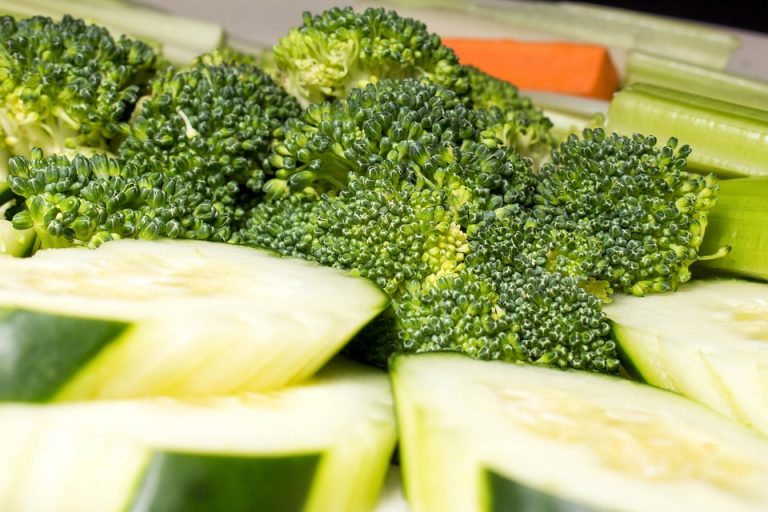
Yes, foods like kale, broccoli, and citrus fruits also provide vitamin C and other nutrients beneficial for joint health.
Final Thoughts
Incorporating red bell peppers into your diet can significantly enhance joint health through their rich vitamin C content and anti-inflammatory properties.
- The Truth: While beneficial, they should not replace medical treatments for severe joint issues.
- The Strategy: Consume them raw or lightly cooked for maximum nutrient retention.
- The Next Step: Consider adding a variety of colorful vegetables to your meals for balanced nutrition.
Get Your FREE Natural Health Guide!
Subscribe now and receive our exclusive ebook packed with natural health tips, practical wellness advice, and easy lifestyle changes, delivered straight to your inbox.